 experience9 years
Ruslan Ts.
Washing machine and refrigerator repair technician
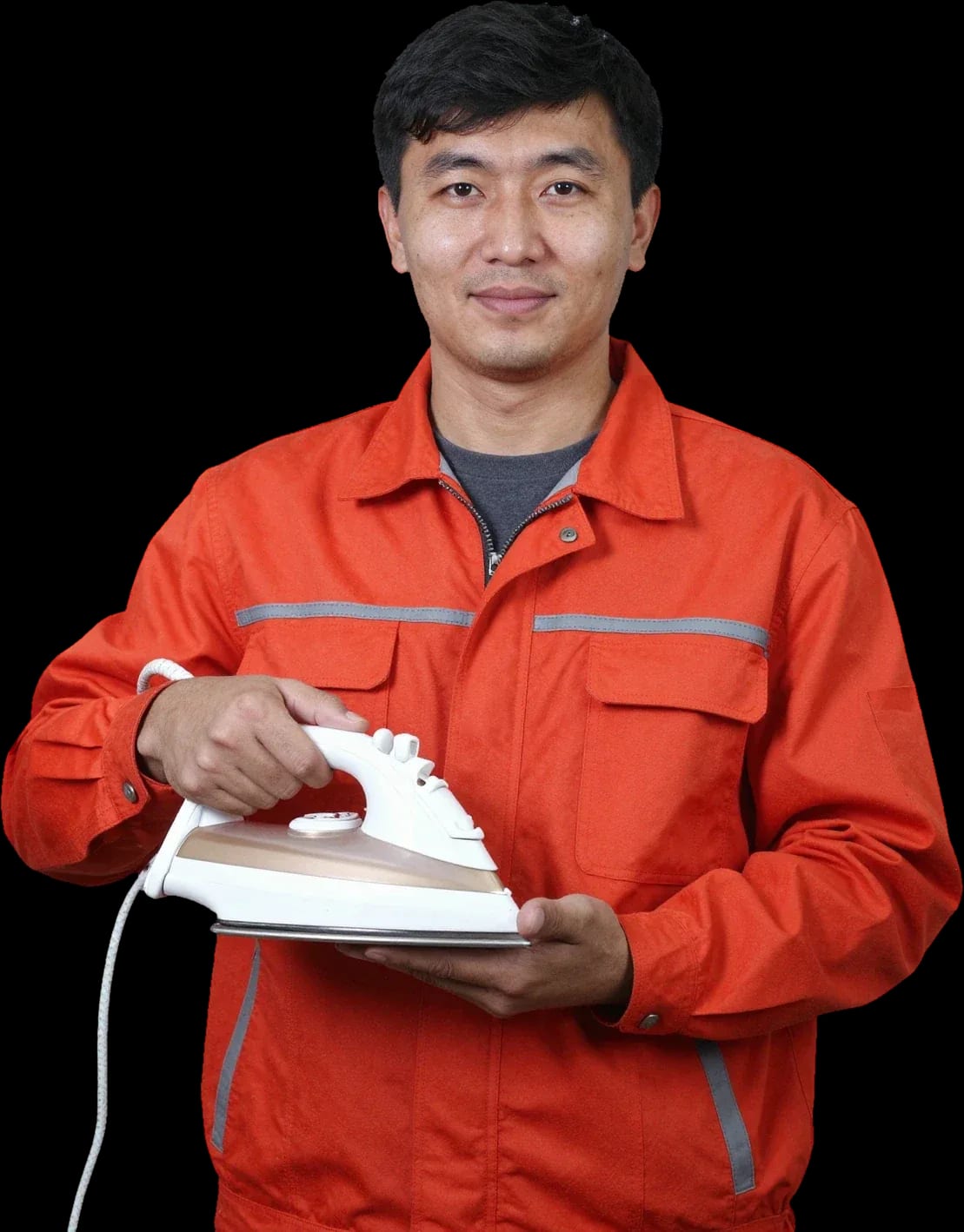
A technician arrives within 60 minutes anywhere in the city. Free diagnostics, 1-year warranty on labor and parts.
Our own technicians4 to 20 years of experience



Repair prices
Below are typical symptoms and components that most often need attention. The technician will pinpoint the exact cause during free diagnostics.
heating element, thermostat, fuse
from4 000 ₸
scale in the chamber, clogged nozzles, valve
from3 500 ₸
hard water, infrequent cleaning
from3 500 ₸
heating element short, wiring short
from3 000 ₸
cord, plug, button, fuse
from3 000 ₸
clogged valve, deposits in the channel
from5 000 ₸
clogged pump, valve
from3 000 ₸
thermostat, overheating, sensor
from4 000 ₸
1–2 hourstime
from 4 000 ₸cost
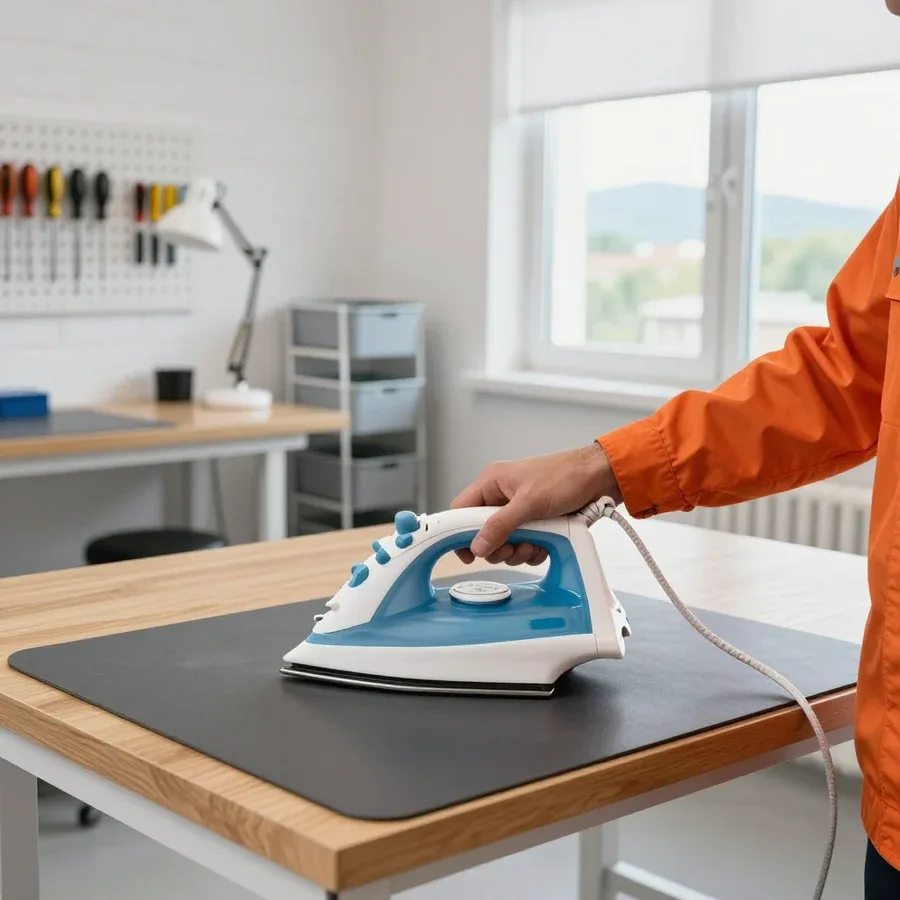 BeforeAfter

From request to checking the work — five steps, including free diagnostics.
Leave a request by phone or WhatsApp, describe the symptom and your iron model.
The technician arrives anywhere in the city within 60 minutes after the request is confirmed.
Clear a table and make sure there's access to a power outlet to test the iron after reassembly.
You approve the scope of work and the cost, then the technician starts the repair.
The technician leaves the replaced part and a document about the work; ask the technician for the exact details.
The home appliance repair department in Almaty has 8 technicians with 8 to 12 years of experience.
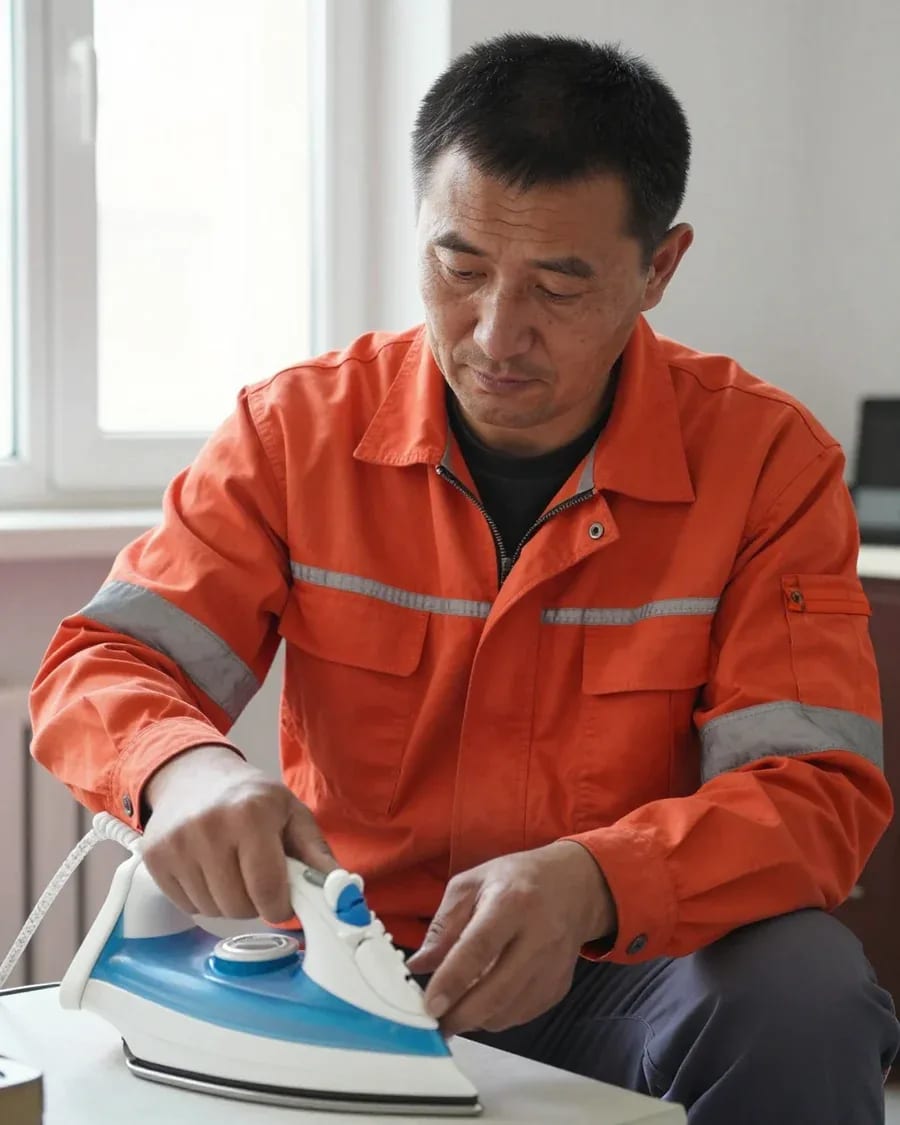
The department has 8 specializations — they are listed on the technicians' cards.
experience9 yearsWashing machine and refrigerator repair technician
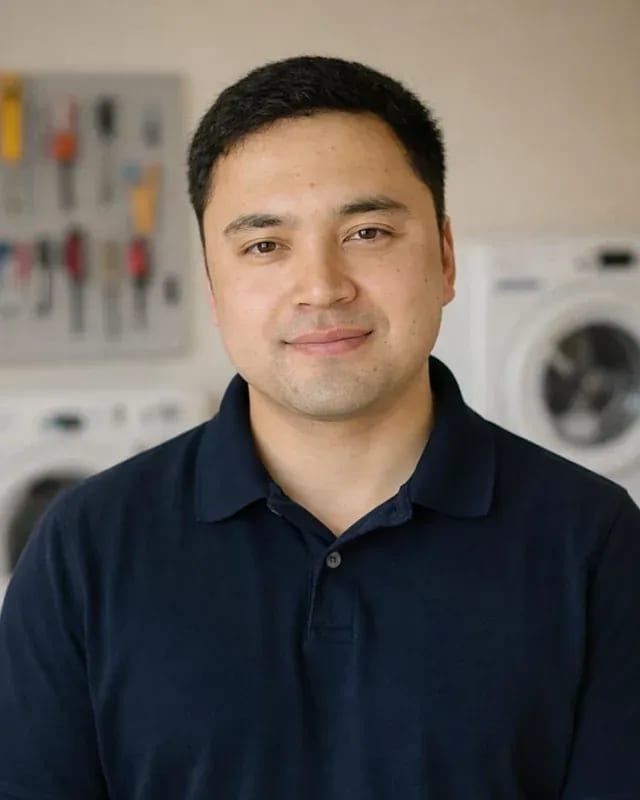 experience12 years
General household appliance repair technician
 experience10 years
Field technician for washing machine and refrigerator repair
 experience8 years
Expert washing machine repair technician
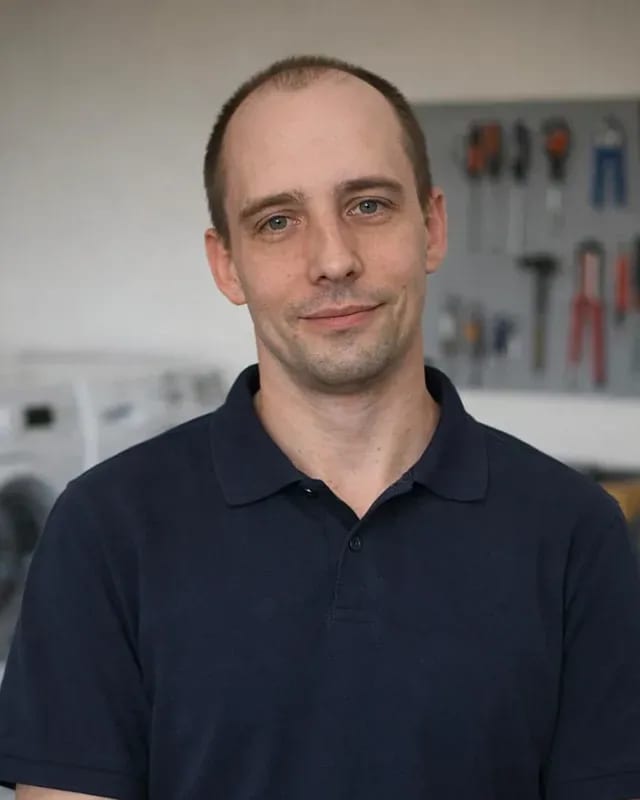 experience8 years
Field refrigerator repair technician
 experience8 years
Senior washing machine repair technician
 experience11 years
Dishwasher repair technician
 experience9 years
Washing machine repair technician
We reply during working hours
Provide your iron model and address — the technician will agree on a convenient visit time and confirm the request by phone or WhatsApp.

Warranty question? Call us
+7 (778) 021 13 16Tech Service repairs Polaris irons in Almaty: our technician comes to your home within 60 minutes anywhere in the city or takes the appliance to the service center. Diagnostics are free, there's a 1-year warranty on labor and parts, and technicians have 4 to 20 years of experience. The technician gives you the price after diagnostics.
The most common reason people call us is that the iron doesn't heat up or, conversely, overheats and won't turn off. Let's break down what's behind each symptom and how a technician finds the culprit.
If the soleplate stays cold, one of three components is to blame: the heating element, the thermostat, or the contacts along the power path. The coil inside the ceramic or metal housing burns out over time, the circuit breaks, and the soleplate gets no heat. The bimetallic plate with contacts opens and closes the power supply at a set temperature; burnt terminals stop conducting current, and the device stays dead even with a working heater. The third culprit is the cord and where it enters the housing: a break at the base or oxidized terminals creates a break that's invisible from the outside. You can't check the heater and thermostat by eye—you need a multimeter and a continuity test, so "warming it with a hairdryer" or "tapping it" won't solve the problem. The first thing an owner should do is put the device aside and not turn the dial at random, so as not to disturb the contact positions.
Overheating and lack of auto-shutoff almost always point to a thermostat or temperature sensor that has stopped sending a temperature signal. When the plate sticks in the closed position, the heater runs non-stop, and the electronics don't get a command to reset. On models with electronic controls, the temperature sensor is responsible—if it's faulty, the board "thinks" the soleplate is cold and keeps heating. A separate part is the fuse: on some models it melts during critical overheating and breaks the circuit, after which the device won't turn on. Such a device is more dangerous than a "cold" one: it can scorch fabric or melt the soleplate, so it's best not to turn it on before the technician arrives. Unplug the cord from the outlet and leave the iron to cool on its stand—this way you prevent both reheating and accidental switching on.
Our technician tests the heating element and the thermostat circuit separately—this shows exactly what has failed instead of replacing parts "at random." First, the coil resistance is measured with a multimeter: a break or a value far from normal immediately points to the heating element. Then the terminals of the bimetallic plate are tested in the closed and open positions, and the circuit is checked for continuity when the temperature dial is turned. The cord and input terminals are tested separately—a break at the housing base gives the same symptoms as a dead coil. Diagnostics are free, so the cause is identified before disassembling components. Often only the thermostat is replaced while the heating element remains working—accurate diagnostics save the part and time, and the technician doesn't touch a working component.
The second most common group of complaints is that the iron doesn't steam or leaks water onto clothes. The causes involve the pump, valve, and scale, and they're fixed differently.
If there's water in the tank but no steam, the problem is the water supply pump, the steam valve, or channels clogged with scale. The pump pushes water from the tank to the steam generator in small portions, the valve meters its release into the evaporation chamber, and the channels direct the ready steam to the soleplate. Salt deposits narrow the passage and clog the seat—the flow comes in bursts or stops completely. On models with intensity adjustment, the regulator itself can be at fault if it stops opening the flap. The pump fails less often, but with hard water its impeller gets coated with deposits and stops pumping water. Deposits build up gradually, so weak steam at first is easy to dismiss as "normal." Before disassembling, check that the steam mode is selected and the tank is filled—sometimes the "breakdown" turns out to be a setting.
Leaks are most often caused by scale buildup in the valve and channels or by a worn tank seal. When salt deposits accumulate, the part no longer closes tightly, and water seeps to the soleplate even when the steam function is off. The second source is the water tank gasket: over time the rubber hardens, cracks, and lets moisture into the housing. The third possibility is overfilling the tank above the maximum mark, when liquid spills over the edge if the iron is tilted. The anti-scale system on some models removes some deposits, but it doesn't prevent seal wear and doesn't clean the valve seat. Scale builds up faster in this unit if you fill the tank with unfiltered tap water. If the iron leaks, continuing to iron is risky—moisture can reach the electrical components and cause a short circuit.
| Symptom | What we check | Service option |
|---|---|---|
| No steam | pump, valve, channels | clean channels or replace pump |
| Leaking water | valve, tank seal | clean valve, replace seal |
| Weak steam | scale in steam generator | descaling with disassembly |
| Steam stopped after cleaning | steam supply valve | diagnostics and valve replacement |
A blinking indicator on a Polaris iron doesn't always mean a breakdown. We explain what the lights mean on different models and when they actually signal a fault that needs fixing.
On most models, blinking means heating up or maintaining temperature, while continuous blinking after reaching the set mode signals a sensor fault. While the soleplate heats up, the LED blinks, and when the set temperature is reached, on some models it goes off, on others it stays on steady. The logic is simple: the indicator is connected to a temperature sensor that sends readings to the thermostat, and any discrepancy between actual heating and the signal affects the light's behavior. If the device has already reached the mode but the light keeps blinking idly, the sensor may be sending distorted data. It's also important to distinguish blinking during cool-down: after the heating turns off, the light doesn't go out immediately but as the temperature drops, and that rhythm is normal. The exact interpretation is given in the manual for your specific model—different models have different indicators, so don't rely on memory.
In models with a display and control unit, errors are shown as codes, and the interpretation depends on the specific model. Such devices show a combination of symbols on the screen or blink segments, and also beep if the soleplate temperature deviates from the set value. The control unit reads the temperature sensor's resistance and compares it with the firmware's reference values. Electronics are more often damaged by leaks and power surges than by wear—so when an error code appears, first check if water has gotten inside the housing. Even if the display works, oxidized ribbon cable contacts distort the signal, and the device goes into protection mode. Some codes reset themselves after cooling down, but a repeated code on a cold device indicates a persistent defect in the board or sensor.
Our technician compares the indicator's behavior with the iron model and tests the sensor with a multimeter — that's how blinking turns into a specific fault. First we watch how the light behaves during heating and cooling, then we use a multimeter to check the thermosensor's resistance and the continuity of the circuit to the control board. Diagnostics at Tech Service is free, and a technician can reach you anywhere in the city within 60 minutes. If the indicator behaves contrary to the manual, it's not always a board failure — sometimes replacing the thermosensor is enough. We provide a 1-year warranty on labor and parts, and we accept payment in any convenient way. Technicians with 4 to 20 years of experience can quickly tell normal heating from an electronics fault by the indicator's behavior.
Sparking and tripped breakers are a sign that something is wrong with the electrical part of the iron. We explain how dangerous this is and what to do.
Sparking can come from the power cord, plug, thermostat contacts, or fuse — most often due to damaged insulation and burnt contacts. The cord supplies electricity to the heating element, and a frayed braid at the base or near the plug causes current leakage to the body. Burnt thermostat contacts click and spark each time they engage — over time, carbon buildup increases, and the unit stops breaking the circuit. In Polaris irons, the protective element is installed in the circuit break and trips under overload, but with poor contact in its holder, it becomes a source of sparking itself. Another risk area is where the cord enters the body: insulation rubs against plastic over years of folding and turning. Sparks inside the body are more dangerous than external ones: they indicate a short circuit, and such a device should not be turned on until inspected by a technician.
No, you shouldn't turn on a device that trips the breaker: it's a sign of a short circuit or a faulty fuse. The protective element guards the iron against overheating and short circuits — if the heating element breaks down or the plug short-circuits, it breaks the circuit. But if the breaker in the panel trips instead, it means the current bypassed the protection. If the breaker trips immediately after turning on, the problem is in the power circuit: cord, plug, or where the cord enters the body. If it trips after a while, it's in the heating and overheat protection: heating element or thermostat. There's a simple way to narrow it down: unplug the device, inspect the plug and cord for kinks, but don't disassemble the body — burn marks on contacts are only visible after opening, and a technician uses them to distinguish a burnt fuse from a broken heater. Another thing: don't replace the breaker with a more powerful one — it will hold the load only until the fault is fixed.
Polaris iron repair is built around free diagnostics and agreeing on the work before it starts. Here's the procedure, what to do before the technician arrives, and the terms under which the job is completed.
Before the technician arrives, just unplug the device, don't take it apart, and note exactly how the fault manifests. Pull the plug from the socket, pour out any remaining water from the tank, and put the device in a dry place — this prevents a short circuit if it's accidentally turned on. Don't try to remove the soleplate or open the body: plastic latches on Polaris bodies are fragile, and after DIY disassembly, the fasteners have to be restored separately. Write down three things — when the symptom appeared, whether it repeats every time you turn it on, and what power setting the regulator is on. If the device was used through an extension cord or power strip, note that separately — the power supply also affects the failure pattern. The more precisely you describe the symptom — "not heating," "leaking," "sparking" — the faster the technician will bring the right parts. This is why Polaris iron repair in Almaty goes faster when the technician knows the nature of the fault in advance.
Our technician arrives within 60 minutes anywhere in the city, runs free diagnostics, agrees on the work and cost, then does the job at your home or in the service center. On site, they check the heating element, thermostat, sensor, and power circuit, and take apart the steam unit if you've reported a leak. You then get a list of possible repairs: some issues are fixed on the spot—replacing the cord, thermostat, or tank seal—while complex electronics and soleplate problems go to the service center. Home service covers most common failures; a service center visit is needed when the housing must be disassembled and the board checked. The technician gives you the price after diagnostics—before that, you only see the list of possible repairs. Everything is agreed before work starts, so there are no surprise charges.
| Parameter | Terms |
|---|---|
| Diagnostics | free |
| Technician visit | within 60 minutes in the city |
| Warranty | 1-year warranty on labor and parts |
| Technician experience | 4 to 20 years |
| Payment | Kaspi QR, Kaspi Red, card, cash or bank transfer |
| Cost | after free diagnostics |
Here's a summary of common Polaris iron faults and what you should do from the first symptoms to the technician's inspection.
Tech Service technicians repair other appliances too — with the same 1-year warranty on labour and parts.
 Refrigerator Repair in Almatyfrom 3 000 ₸
 Washing Machine Repair in Almatyfrom 3 000 ₸
 Dishwasher Repair in Almatyfrom 3 500 ₸
 Oven Repair in Almatyfrom 3 000 ₸
 Cooktop Repair in Almatyfrom 3 500 ₸
 Air Conditioner Repair in Almatyfrom 3 500 ₸
 Boiler and Water Heater Repair in Almatyfrom 2 500 ₸
 Freezer Repair in Almatyfrom 6 000 ₸
 Tumble Dryer Repair in Almatyfrom 5 000 ₸
 Coffee Machine Repair in Almatyfrom 2 500 ₸
 Robot Vacuum Cleaner Repair in Almatyfrom 3 500 ₸
 Vacuum Cleaner Repair in Almatyfrom 1 500 ₸
 Microwave Oven Repair in Almatyfrom 2 000 ₸
 Hair Dryer Repair in Almatyfrom 1 500 ₸
 Iron Repair in Almatyfrom 3 000 ₸
 Electric Kettle Repair in Almatyfrom 2 500 ₸
 Mixer Repair in Almatyfrom 2 500 ₸
 Multicooker Repair in Almatyfrom 500 ₸

If your dishwasher won't drain, the most common culprits are a clogged filter or drain hose; less often, it's the pump, impeller…
24 March 2026 · 12 minutes read
A washing machine can hum for many reasons, and the first thing to figure out is when the sound appears.
20 March 2026 · 12 minutes read
If your washing machine isn't filling with water, the most common culprits are a closed valve, a clogged inlet filter screen on the hose…
20 February 2026 · 13 minutes read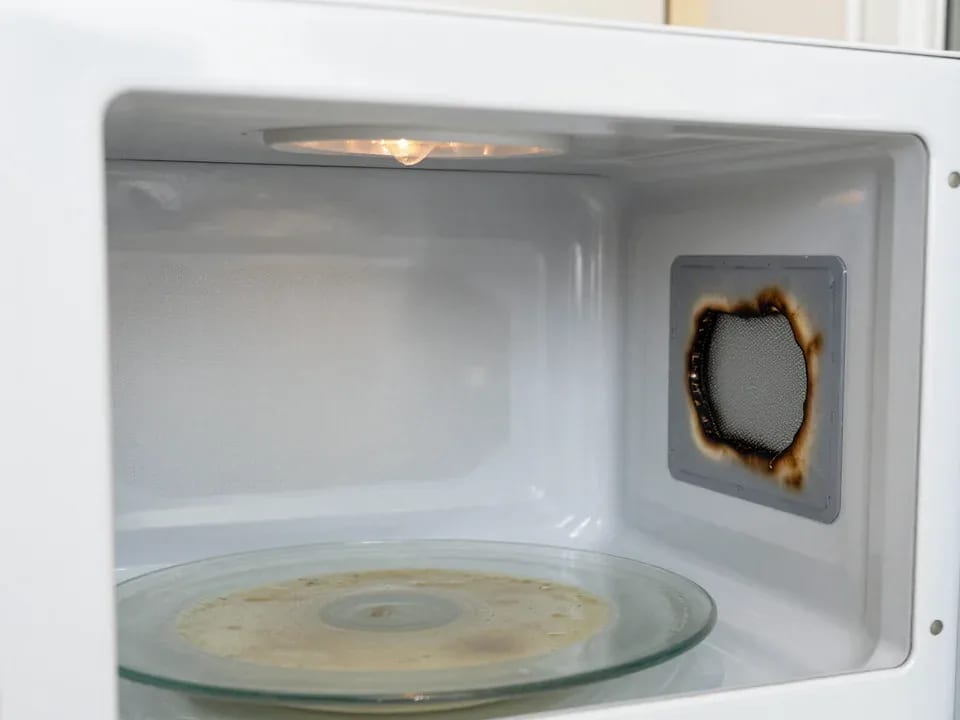
If your microwave isn't heating but the light and turntable still work, the problem is usually one of the high-voltage components — the magnetron, diode…
15 February 2026 · 12 minutes read
If your refrigerator stops working, first check the outlet, the power cord, and the thermostat setting, and after defrosting let it stand for a while.
4 February 2026 · 12 minutes read
Washing machine error codes are self-diagnostic codes that point to a specific component: drain, water fill, heating, motor, or door lock.
29 January 2026 · 13 minutes read