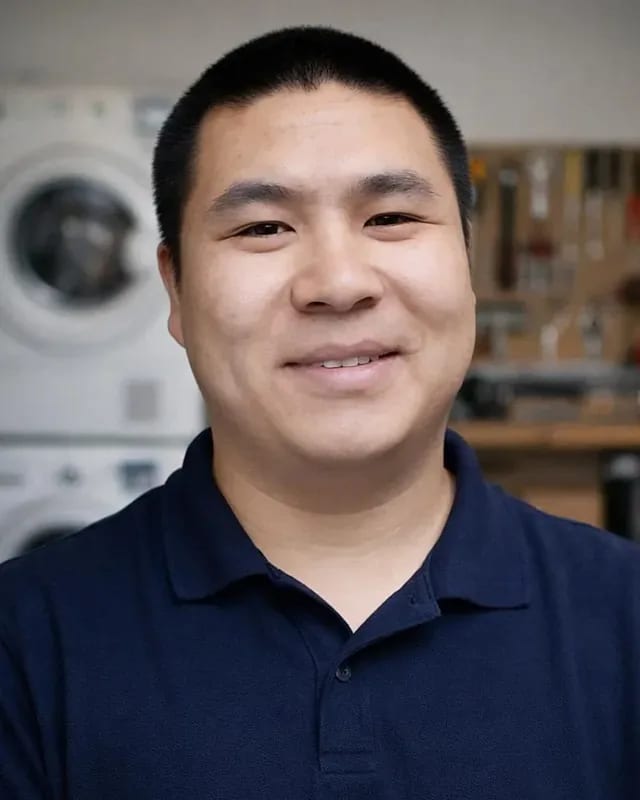
 experience9 years
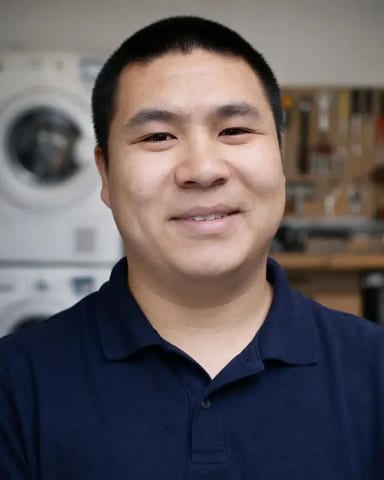
Ruslan Ts.
Washing machine and refrigerator repair technician
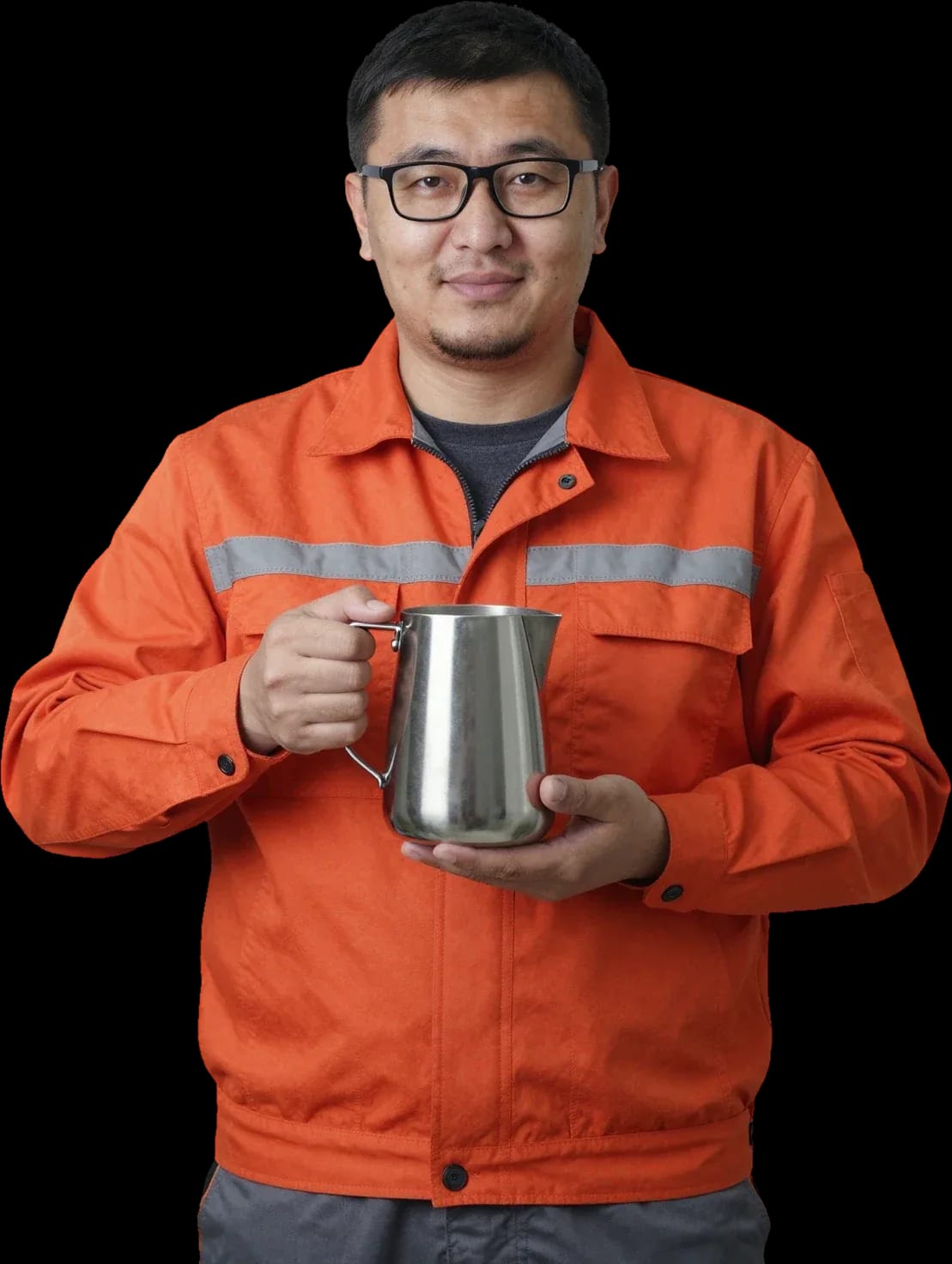
Free diagnostics. A technician arrives within 60 minutes anywhere in the city.
Our own technicians4 to 20 years of experience
Repair prices
Below are typical symptoms and their likely causes. The technician finds the exact cause during free diagnostics.
Clogged tube, worn seal
from5 000 ₸
Control board or power failure
from4 500 ₸
Worn seal, scale in the valve
from5 500 ₸
Worn motor bushings, loose mounting
from7 000 ₸
The code points to a specific part
from4 000 ₸
Clogged intake tube, air leak
from5 000 ₸
Heater or temperature sensor failure
from5 000 ₸
Worn base seal, cracked jug
from6 500 ₸
1–2 hourstime
from 4,000 ₸cost
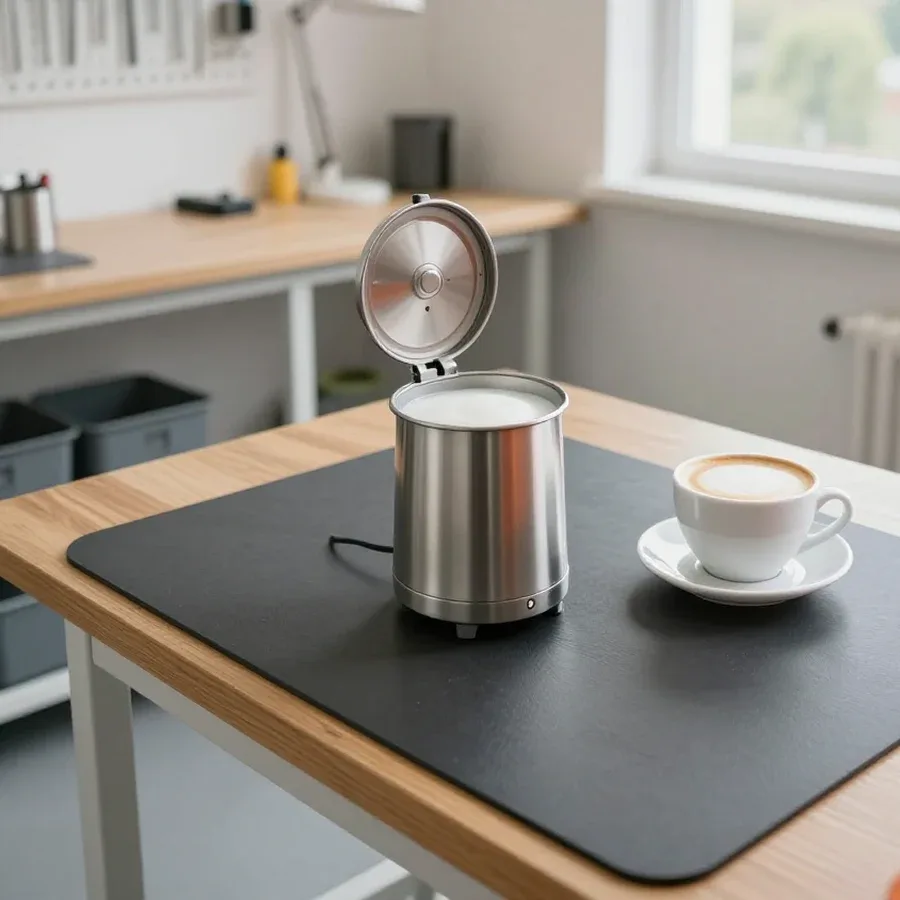 BeforeAfter
Five steps from request to final check.
Leave a request and a technician will come within 60 minutes anywhere in the city.
The technician checks the frother on site and explains which part has failed.
You approve the scope of work before it starts; declining at this stage commits you to nothing.
The technician does the work and fits new parts when needed.
You accept the result on site and test how the frother works.
The home appliance repair department in Almaty has 8 technicians with 8 to 12 years of experience.
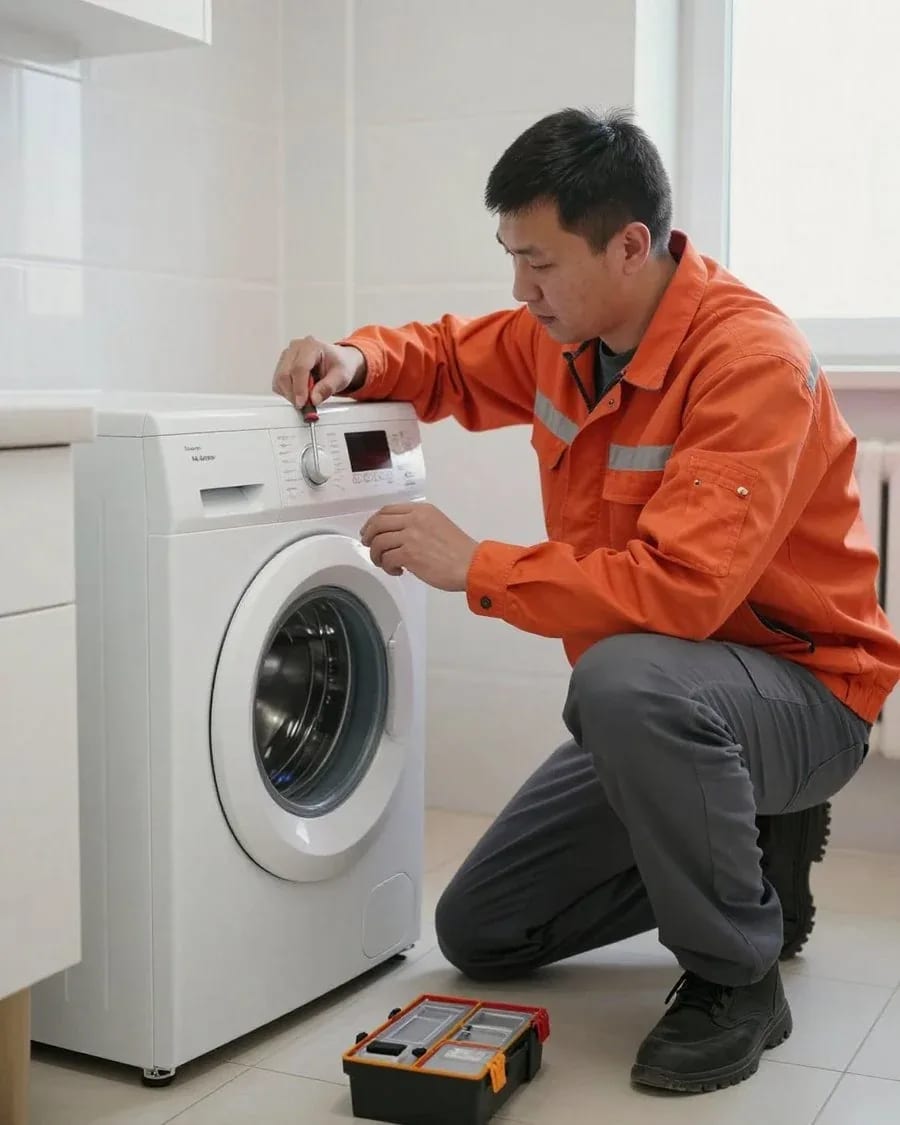
The department has 8 specializations — they are listed on the technicians' cards.
experience9 yearsWashing machine and refrigerator repair technician
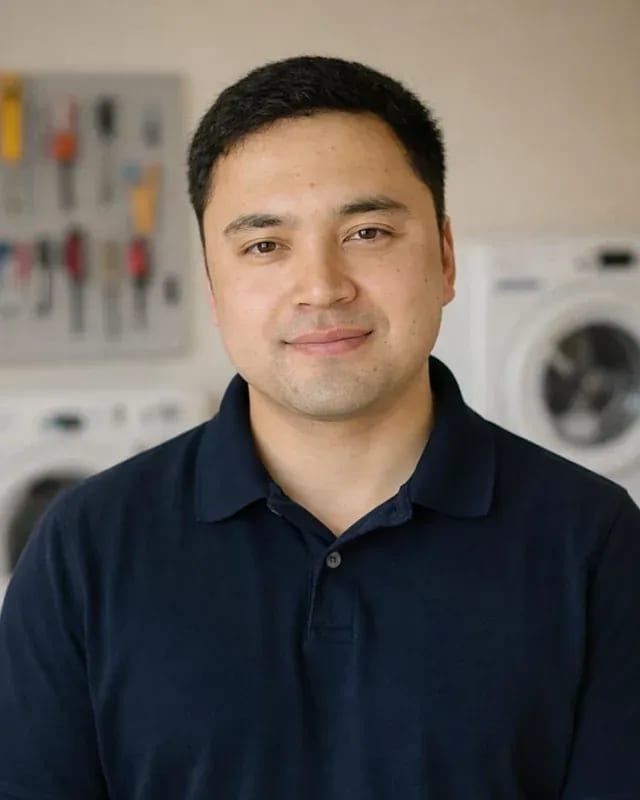 experience12 years
General household appliance repair technician
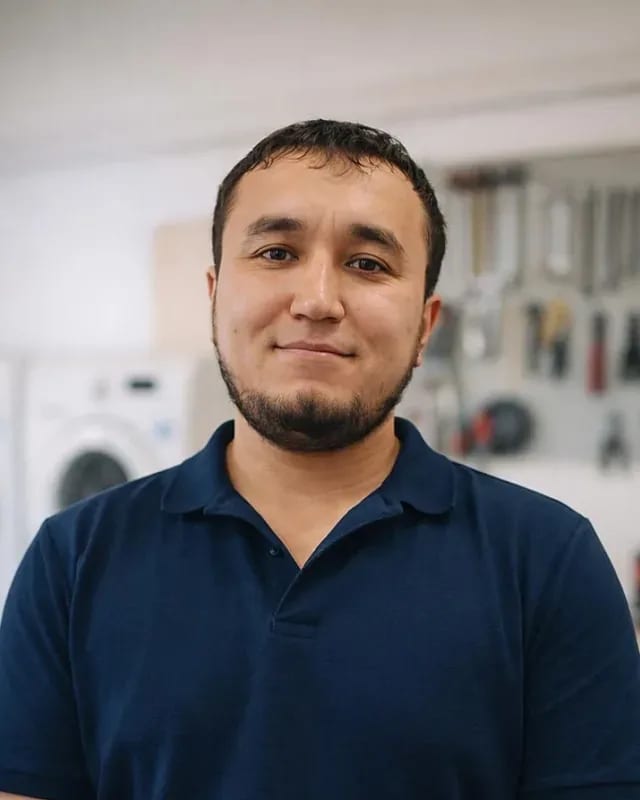 experience10 years
Field technician for washing machine and refrigerator repair
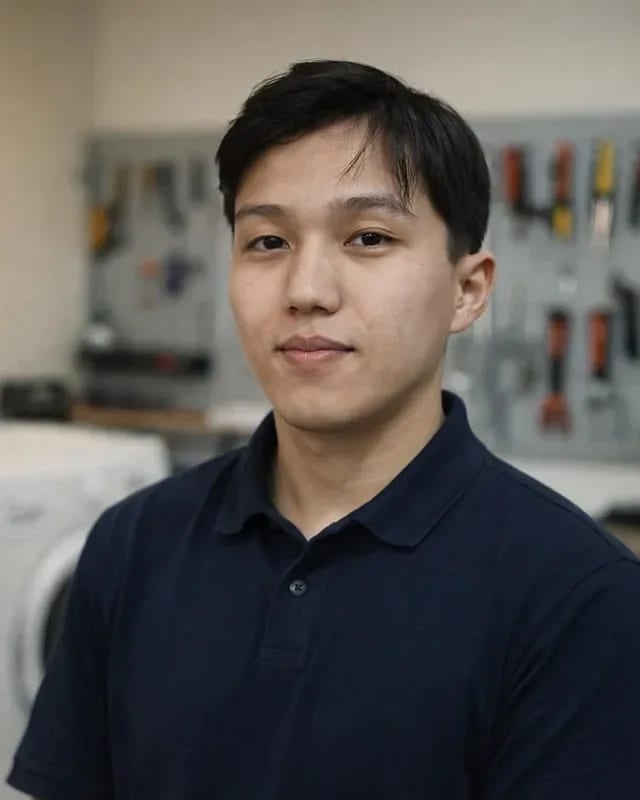 experience8 years
Expert washing machine repair technician
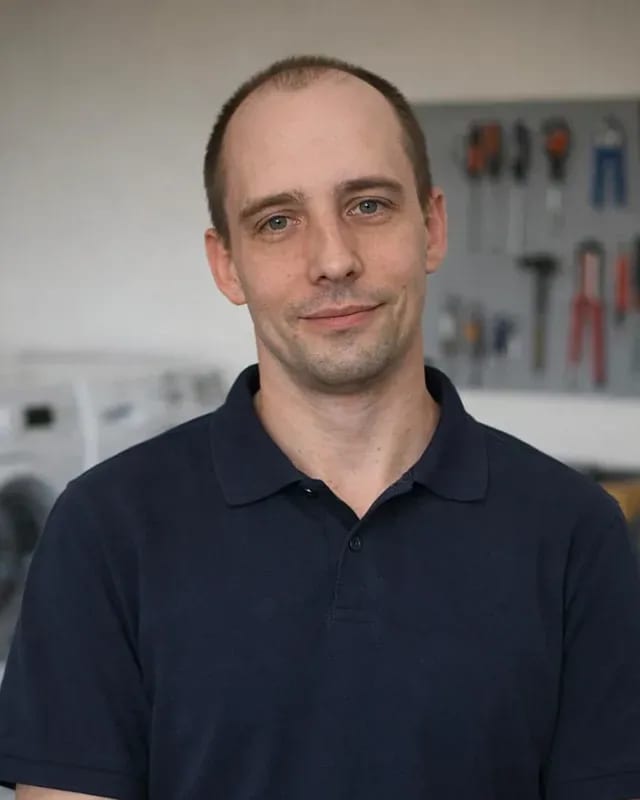 experience8 years
Field refrigerator repair technician
 experience8 years
Senior washing machine repair technician
 experience11 years
Dishwasher repair technician
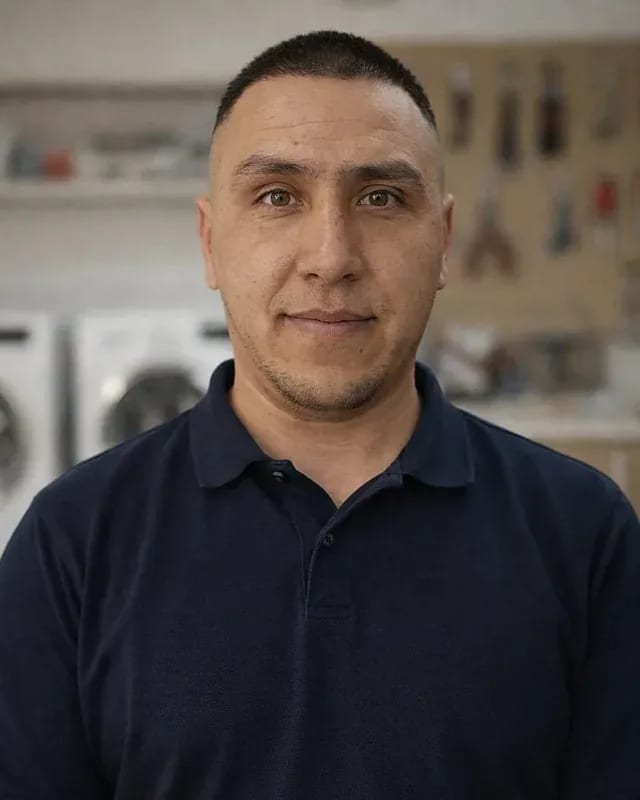 experience9 years
Washing machine repair technician
We reply during working hours
Describe the fault and the model so the technician can get an idea of the likely cause in advance.

Warranty question? Call us
+7 (778) 021 13 16Tech Service repairs milk frothers with its own technicians at your home or in the service center. We work on standalone milk frothers, steam wands and milk modules of coffee machines: heater, sensor, magnetic drive, seals. A technician arrives within 60 minutes, diagnostics is free, there is a 1-year warranty on labor and parts, and we name the cost after the check.
Owners use the word "frother" for three different appliances. The type decides which parts the technician checks, what fails first and where the repair is easier to do, at home or in the service center.
A standalone frother is a jug with a heater in the bottom and a whisk turned by a magnet from below, while the jug gets power through the contacts of its base. Nespresso Aeroccino, Bork, Kitfort, Philips and many similar models are built this way: there is no shaft passing through the bottom, so nothing can leak through the drive. Inside the housing sit a small motor with a magnet, a board with a button and a temperature sensor, and the whisk stays on its pin thanks to magnetic attraction. Milk frother repair in Almaty is something we most often do for exactly these appliances, and the technician usually fixes them right at the owner's home, because the housing is small and comes apart without bulky tools. Before calling a technician, check whether the whisk spins in an empty jug in cold foam mode: this immediately separates an electrical fault from a mechanical one.
A steam wand with a Panarello tip froths milk with a jet of steam, while air is drawn in through a small side hole in the tip. This kind of frother is found on DeLonghi, Gaggia and Saeco espresso machines and on some automatic machines, where steam comes from the same boiler or thermoblock that makes hot water. Steam passes through a steam valve opened by a knob or a button, then through the wand and the nozzle at its end. Without the tip, the wand simply heats the drink; with it, the wand mixes the drink with air and gives dense foam. There are three weak spots here: scale in the valve and nozzle, dried protein in the tip and a worn seal at the wand joint that lets steam escape. Purge the wand with steam right after each frothing and wipe it with a damp cloth before milk residue dries in the nozzle and in the tip hole.
An automatic milk module draws milk from a container through a silicone tube by itself and mixes it with steam and air in an emulsion chamber. It works on the Venturi principle: the steam jet creates a vacuum and pulls the liquid along, while the air intake regulator sets the foam density. DeLonghi LatteCrema carafes, the Philips LatteGo system and the frothers of Jura, Melitta and Saeco automatic machines are built this way. We repair these modules both together with the coffee machine and separately from it: we check the channels, valves, seals and the carafe detection sensor. These systems have many narrow channels where protein dries, and the rubber rings gradually lose elasticity from hot rinsing. If the module is removable, it is easier to bring it to the service center on its own, while a built-in frother is inspected on site together with the whole coffee machine.
A standalone frother has four groups of parts: heating, the whisk drive, power with controls, and seals. Each group fails in its own way, and the type of failure tells the technician in advance where to look for the cause.
In a standalone frother, milk is heated by a flat heating element pressed against the bottom of the jug, and a temperature sensor stops the cycle once the drink is warm. Many models also have a thermal fuse, a one-time protection that breaks the circuit when overheating happens, for example if the appliance was switched on empty. A blown fuse means complete silence: the button does not light up and the motor does not turn. A broken heater shows up differently: the whisk spins and the foam rises, but stays cold. The sensor, in turn, gets it wrong when a layer of burnt protein lies between it and the liquid, so the appliance switches off either too early or too late. If the frother stops early and the drink is cold, first clean the bottom of the jug with a soft sponge: the deposit distorts the sensor readings, and after cleaning the cycle often works again without any repair.
The whisk in a standalone frother turns thanks to a magnet on the shaft of a small electric motor hidden in the housing under the bottom of the jug. The whisk itself is a spring ring or a disc on a pin with its own magnet, which couples with the drive through the wall. When the motor hums but the whisk stands still, the cause is usually the whisk itself: it was lost, fitted without its spring, or its magnet cracked after a fall. If both the motor and the light are silent, we check the motor power on the board and the winding, and worn bushings show up as whistling and vibration. Our technicians, with 4 to 20 years of experience, can tell a motor fault from a whisk defect by the sound and behavior of the drive before taking anything apart. Keep a spare whisk separate from the jug and do not wash it in a dishwasher: hot drying and alkaline detergents damage the spring and the magnet coating.
| Part | Job | Sign of failure |
|---|---|---|
| Contact base | Delivers power to the jug | The appliance ignores the button |
| Button and board | Mode selection and start | The required mode does not start |
| Heating element | Heats milk through the bottom | The foam stays cold |
| Temperature sensor | Stops the cycle on time | Early shutoff or overheating |
| Thermal fuse | Protects against overheating | Complete silence, no light |
| Motor with magnet | Turns the whisk | Humming without rotation |
| Bottom and lid seal | Keeps milk in the jug | Drips on the base |
The same sign in a standalone frother and in a coffee machine frother often has different causes. Below are the matches that help you understand the fault before the technician arrives.
| Sign | Appliance type | Likely cause |
|---|---|---|
| Cold foam | Standalone frother | Broken heater, sensor |
| Whisk does not spin | Standalone frother | Whisk, motor, board |
| No response to the button | Standalone frother | Base contacts, thermal fuse |
| Steam hisses, no foam | Steam wand | Clogged Panarello hole |
| Weak steam, water drips | Steam wand | Scale in the valve, thermoblock |
| Milk comes out without foam | Milk module | Air leak, dried channels |
| Milk is not drawn in | Milk module | Tube, seals, valve |
Thin foam with normal heating is almost always linked to the whisk, the milk or an air leak, not to the electronics. In a standalone frother, foam is spoiled by a stretched whisk spring and deposits on it, and also by a jug filled above the mark. On a steam wand, the hole of the Panarello tip gets clogged with dried protein, and air stops mixing with the steam. In a coffee machine milk module, the same role is played by the air regulator and cracks in the intake tube: extra air gets in through them, and the foam comes out in large bubbles. During diagnostics we check all three options in turn and only then talk about replacing a part. Before deciding the appliance is broken, try cold fresh milk with normal fat content: warm, skimmed and long-opened milk froths poorly even in a working frother.
A leak under the base, a burning smell and a cycle that stops halfway are signs that the appliance should be unplugged right away and not used until it is checked. Drips under a standalone frother come from a cracked jug, a worn bottom seal or foam that overflowed onto the contacts. A burning smell appears when protein burns onto the bottom, but if it smells of plastic, the board and wiring are probably overheating. Shutoff before the end of the cycle is caused by the temperature sensor, oxidized base contacts and a loose power cord connector. On a coffee machine frother, leaks usually come from the steam wand seals and the milk module joints. Our technician takes the base apart, checks the contacts, the board and the tightness, and then explains exactly what has failed. Spilled milk quickly oxidizes the base contacts, so after every leak wipe the base dry and never put a wet jug on it.
Repair starts with a check, not with replacing a part at random. Here is how the visit goes, what diagnostics includes and when the appliance is better repaired in the service center.
A Tech Service technician arrives within 60 minutes anywhere in the city and checks the frother right in the owner's kitchen. You can leave a request for milk frother repair in Almaty for a standalone frother, a steam wand or a coffee machine milk module. The technician does the work personally, with no middlemen: inspects the appliance, runs a working cycle and opens the base if the fault is hidden inside. Replacing a seal, whisk or sensor, cleaning contacts and flushing the milk path are usually done on site. Our technicians have 4 to 20 years of experience, so different frother designs are familiar to them. Before the visit, have the appliance ready with its base, power cord and whisk, plus a little milk: the technician needs to check the full heating and frothing cycle, not just whether the button turns on.
| Check stage | What we look at | What it shows |
|---|---|---|
| External inspection | Jug, base, cord, whisk | Cracks, traces of leaks and overheating |
| Test run | Rotation, heating, shutoff | Which part is not working |
| Contact check | Base and jug connector | Oxidation, weak contact |
| Circuit testing | Heater, fuse, motor | Open circuit or short |
| Sensor check | Moment heating switches off | Overheating or underheating |
| Seal inspection | Gaskets, rings, tubes | Cause of leaks and air intake |
We take the appliance to the service center when it needs a full housing teardown, soldering of the control board or a long flush of the milk path that is hard to do in a kitchen. This happens with frothers flooded with milk inside the base, with boards whose tracks have oxidized, and with milk modules where dried protein has blocked several channels at once. A built-in coffee machine frother sometimes has to be repaired together with the steam path, and that is already work on the whole machine. The technician decides on a service center repair after free diagnostics and names the cost of the work in advance, so the owner understands what will be done and why. You can also bring the appliance in yourself if that is more convenient. Hand over the jug together with the base and whisk: without any of these parts, the full cycle cannot be checked after the repair.
Most frother breakdowns are caused not by worn parts but by milk residue and improper washing. Proper care extends the life of the appliance and protects the repair from another breakdown.
Milk protein burns onto the hot bottom of the jug and dries in narrow channels faster than scale builds up there. Casein and whey proteins curdle when heated and form a dense film, and milk fat makes it sticky, so plain water does not dissolve such a layer. In a standalone frother, the deposit settles on the bottom and disturbs the temperature sensor; in a steam wand, it clogs the hole of the Panarello tip; in a milk module, it narrows the intake tube and the emulsion chamber. Scale, on the other hand, is mainly a danger to the steam path of a coffee machine, where hot water and steam pass through the valve and nozzle. Dried residue also spoils the taste of the drink, since bacteria multiply in it. Wash the jug and tips right after use while the film is still soft: later you will have to scrub it and risk scratching the non-stick coating.
Most often, after improper handling we receive frothers flooded with water from below and jugs that were washed in a dishwasher. Water in the bottom of the jug oxidizes the contacts, and hot drying in a dishwasher damages the non-stick coating and the bottom seal. The second common mistake is running the appliance empty: the heater quickly overheats and the thermal fuse blows. The third is milk above the top mark, when the foam rises, overflows and runs onto the base. For a coffee machine, it is risky to leave the milk carafe with leftover drink until the next morning and to skip the descaling program. During free diagnostics we tell the owner which mistake caused the breakdown so it does not happen again. Pour milk only between the minimum and maximum marks, and note that many models have different marks for hot and cold foam.
Before a repair, the owner wants to know on what terms the technician works and whether the appliance is worth restoring at all. Below are the warranty, how payment works and the signs used to decide on replacement.
Tech Service gives a 1-year warranty on labor and parts after repairing a frother of any of the three types. For an appliance used every morning, a year means hundreds of heating and frothing cycles, and in that time any hidden problem shows up: a poorly seated seal, a weak solder joint, an inaccurately fitted sensor. We are a direct service provider, not a middleman, so the same service whose technician did the repair is responsible for the result, and that is where you go again if needed. After assembly, the technician runs several full cycles with milk and checks the heating, foam density and shutoff point so the appliance goes back to its owner in working order. Make a note of the fault you came with and which part was replaced: if a similar sign appears again, this will speed up the repeat check.
Our diagnostics is free, and the technician names the repair cost after it, once it is clear which part has failed. The price depends on the type of appliance and on whether a new part is needed: cleaning contacts and replacing a seal is one task, replacing a board or heater is quite another. For a coffee machine milk module, it also matters how many channels have to be taken apart and flushed. First the technician explains the cause of the fault and states the cost, and the decision about the repair stays with the owner. You can pay via Kaspi QR, Kaspi Red, bank card, cash, or bank transfer for companies, so you can pay in whatever way is convenient. Ask the technician to show you the removed part and explain why it cannot be restored: this makes it easier to understand what you are paying for and to compare repair with buying a new appliance.
We have gathered the main points that help you understand why a frother broke down, avoid harming the appliance before the technician arrives and calmly decide what to do with it next.
Tech Service technicians repair other appliances too — with the same 1-year warranty on labour and parts.
 Refrigerator Repair in Almatyfrom 3 000 ₸
 Washing Machine Repair in Almatyfrom 3 000 ₸
 Dishwasher Repair in Almatyfrom 3 500 ₸
 Oven Repair in Almatyfrom 3 000 ₸
 Cooktop Repair in Almatyfrom 3 500 ₸
 Air Conditioner Repair in Almatyfrom 3 500 ₸
 Boiler and Water Heater Repair in Almatyfrom 2 500 ₸
 Freezer Repair in Almatyfrom 6 000 ₸
 Tumble Dryer Repair in Almatyfrom 5 000 ₸
 Coffee Machine Repair in Almatyfrom 2 500 ₸
 Robot Vacuum Cleaner Repair in Almatyfrom 3 500 ₸
 Vacuum Cleaner Repair in Almatyfrom 1 500 ₸
 Microwave Oven Repair in Almatyfrom 2 000 ₸
 Hair Dryer Repair in Almatyfrom 1 500 ₸
 Iron Repair in Almatyfrom 3 000 ₸
 Electric Kettle Repair in Almatyfrom 2 500 ₸
 Mixer Repair in Almatyfrom 2 500 ₸
 Multicooker Repair in Almatyfrom 500 ₸

If your dishwasher won't drain, the most common culprits are a clogged filter or drain hose; less often, it's the pump, impeller…
24 March 2026 · 12 minutes read
A washing machine can hum for many reasons, and the first thing to figure out is when the sound appears.
20 March 2026 · 12 minutes read
If your washing machine isn't filling with water, the most common culprits are a closed valve, a clogged inlet filter screen on the hose…
20 February 2026 · 13 minutes read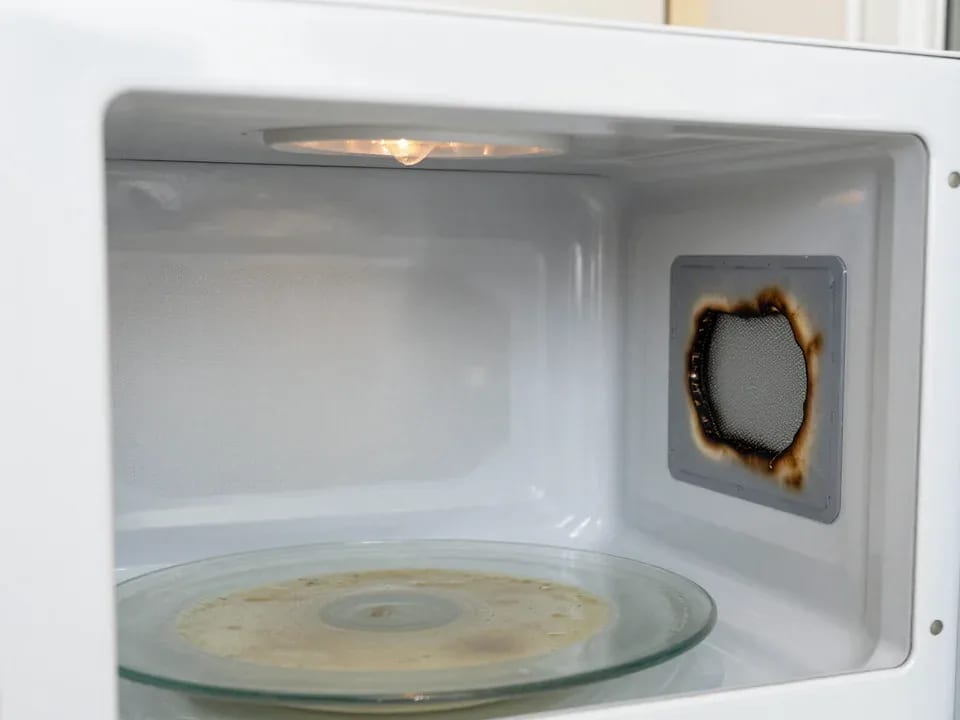
If your microwave isn't heating but the light and turntable still work, the problem is usually one of the high-voltage components — the magnetron, diode…
15 February 2026 · 12 minutes read
If your refrigerator stops working, first check the outlet, the power cord, and the thermostat setting, and after defrosting let it stand for a while.
4 February 2026 · 12 minutes read
Washing machine error codes are self-diagnostic codes that point to a specific component: drain, water fill, heating, motor, or door lock.
29 January 2026 · 13 minutes read