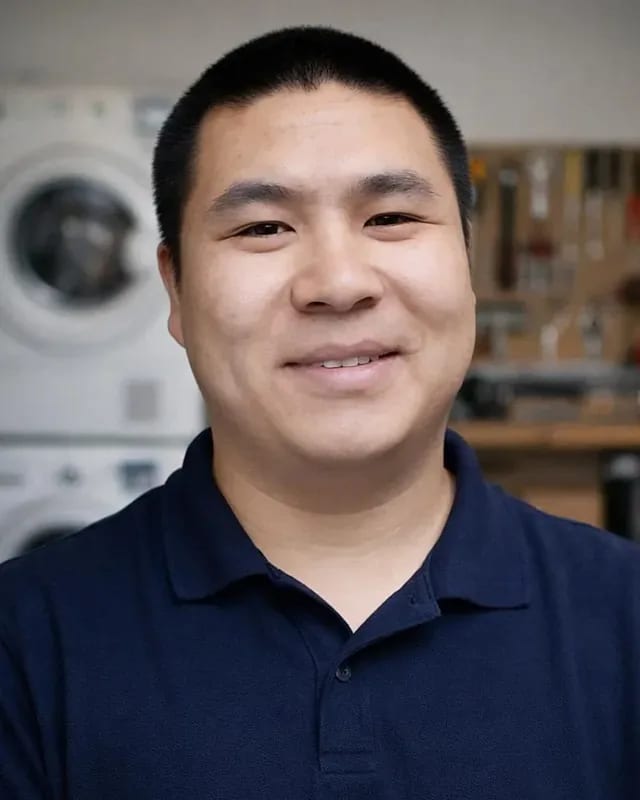
 experience9 years
Ruslan Ts.
Washing machine and refrigerator repair technician
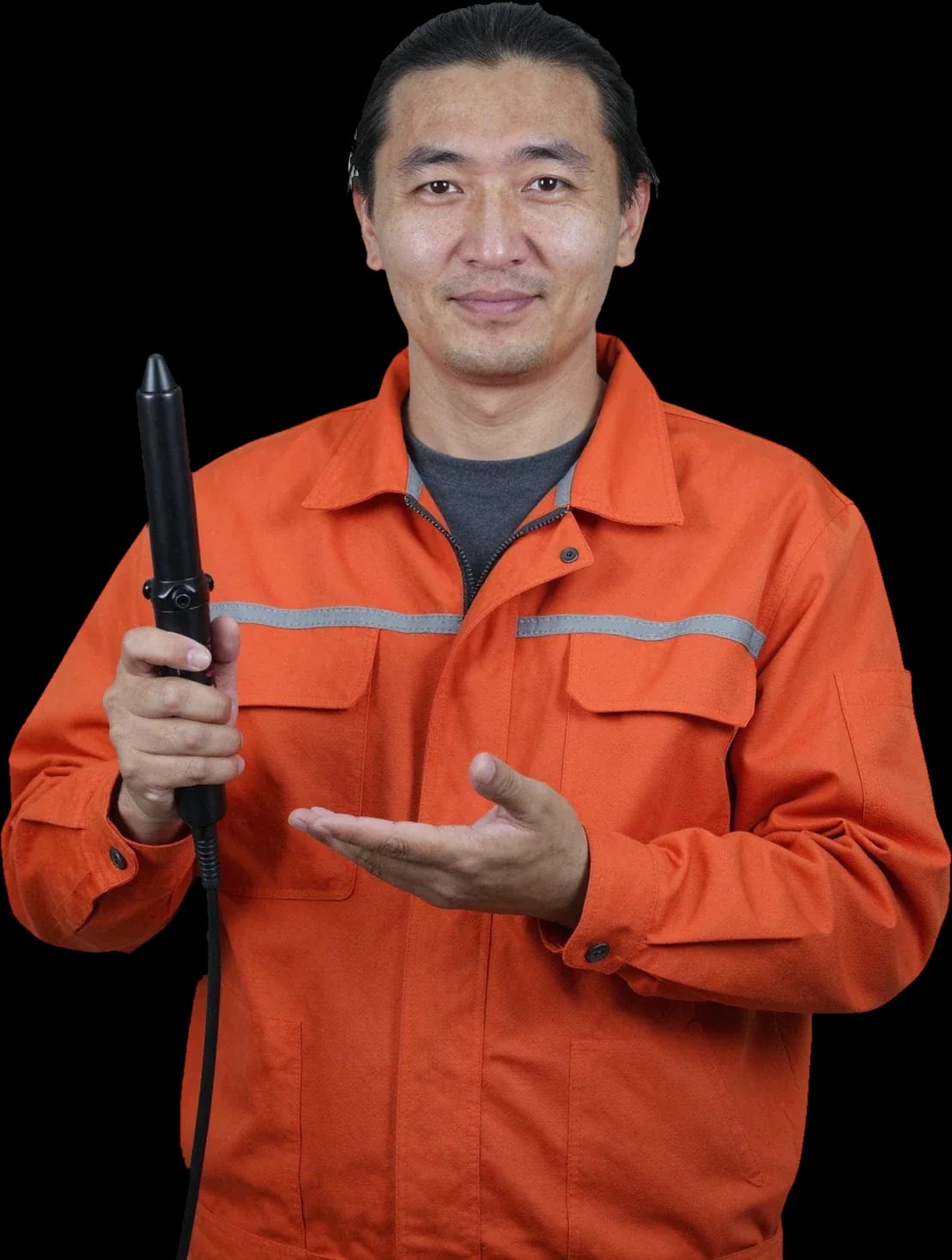
A technician arrives within 60 minutes anywhere in the city. Free diagnostics.
Our own technicians4 to 20 years of experience



Repair prices
Below are typical symptoms and likely causes. The technician will pinpoint the exact cause after free diagnostics.
heating element, temperature sensor, thermal fuse
from2 000 ₸
sensor, control board, contact
from7 000 ₸
break at the base, plug, insulation
from2 000 ₸
housing plastic, axle
from2 500 ₸
ribbon cable, button, board
from4 000 ₸
coating, mount, spring
from2 500 ₸
wiring, heating element, insulation
from2 500 ₸
thermal fuse, board, contact
from2 000 ₸
1–2 hourstime
from 2,000 ₸cost
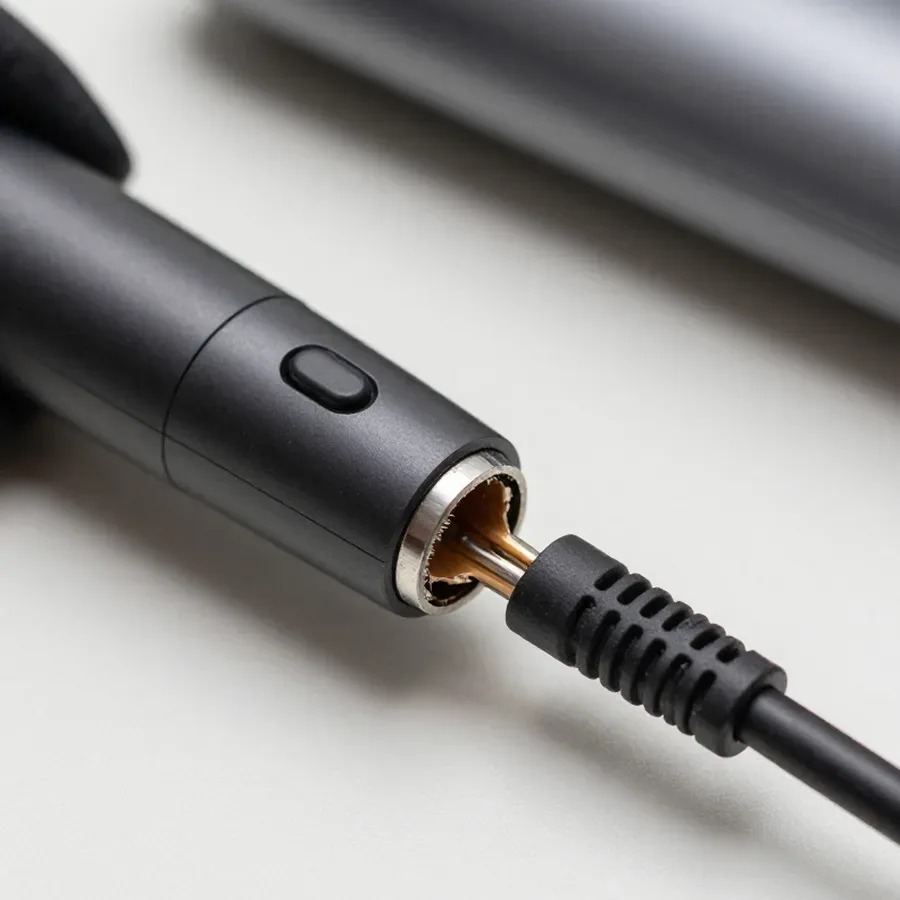
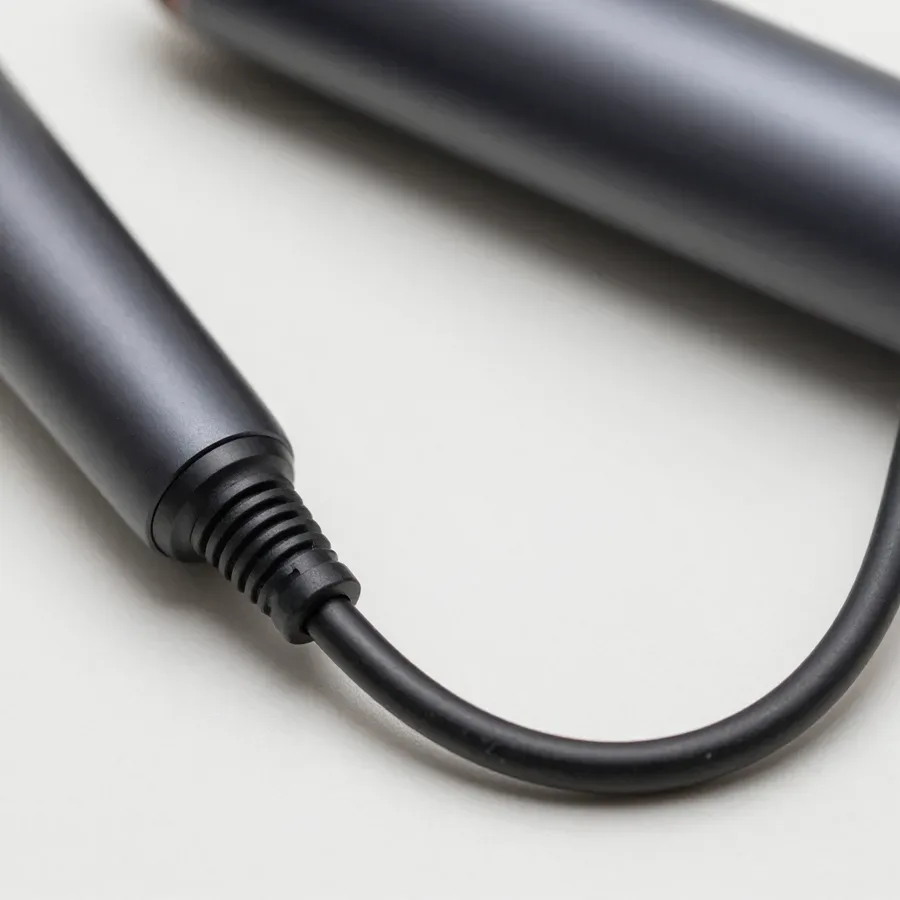 BeforeAfter

Five steps from request to performance check; diagnostics are free.
Leave a request and a technician will arrive within 60 minutes anywhere in the city.
Diagnostics are done before approval, so you confirm the price with the cause of the fault already known.
You approve the scope of work and the price; repair doesn't start without your consent.
After approval, the technician disassembles the device and replaces the faulty part.
1-year warranty on labor and parts; ask the technician for details.
The home appliance repair department in Almaty has 8 technicians with 8 to 12 years of experience.
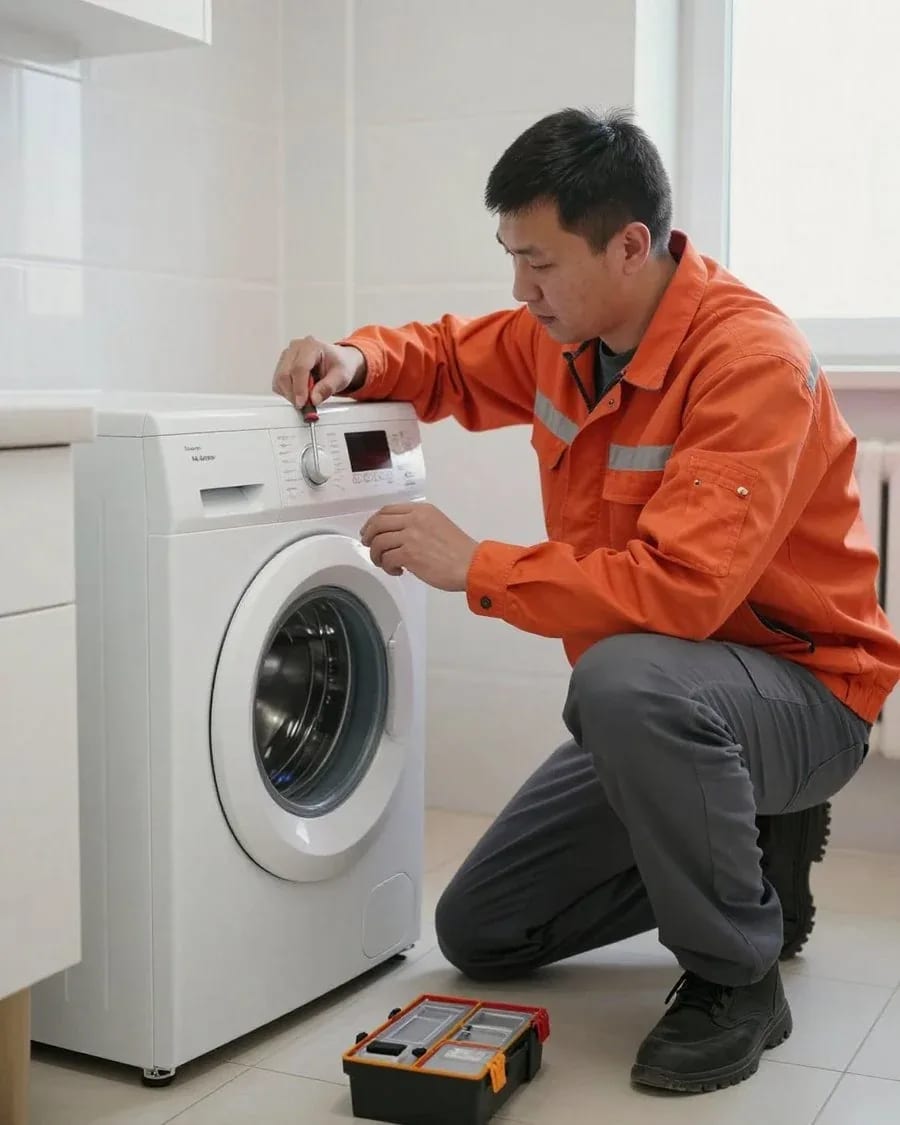
The department has 8 specializations — they are listed on the technicians' cards.
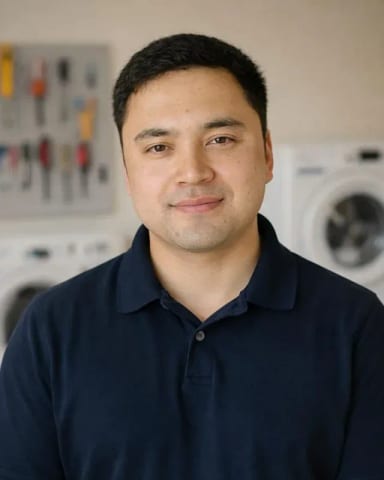
experience9 yearsWashing machine and refrigerator repair technician
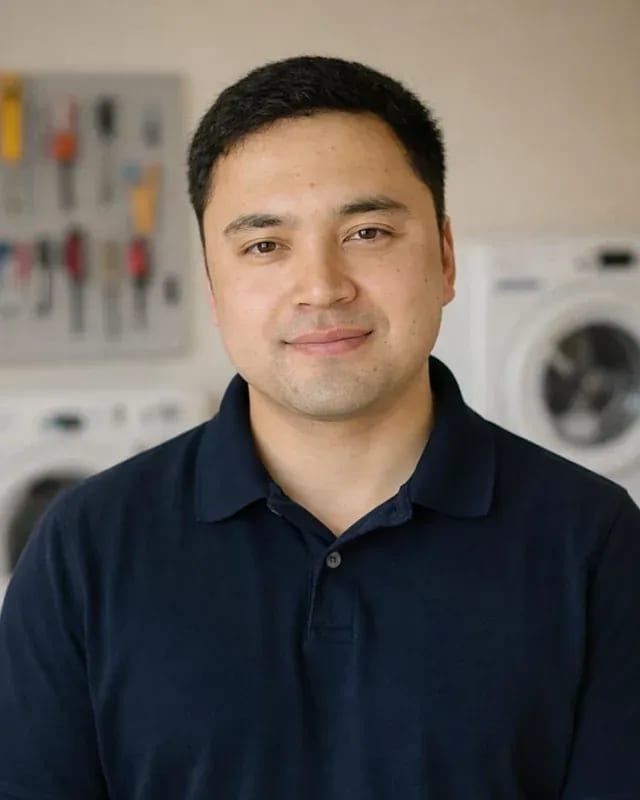 experience12 years
General household appliance repair technician
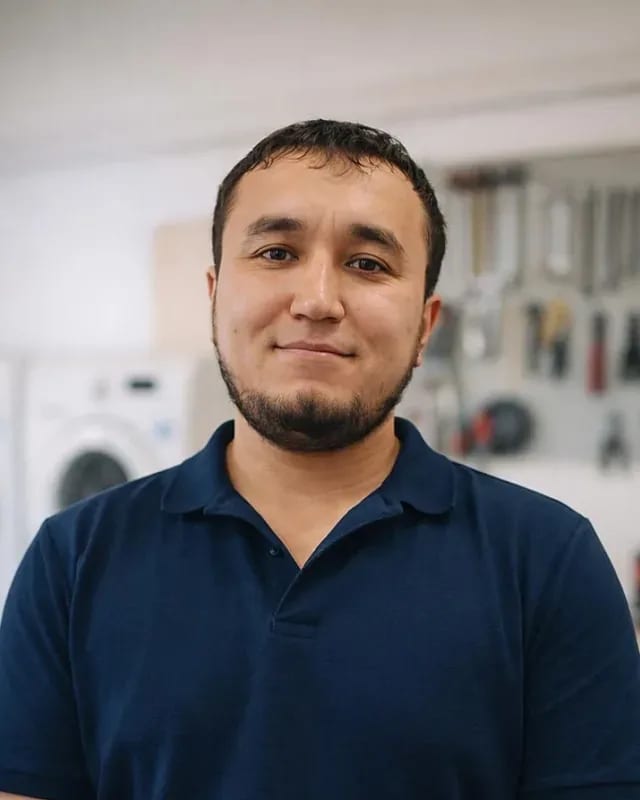 experience10 years
Field technician for washing machine and refrigerator repair
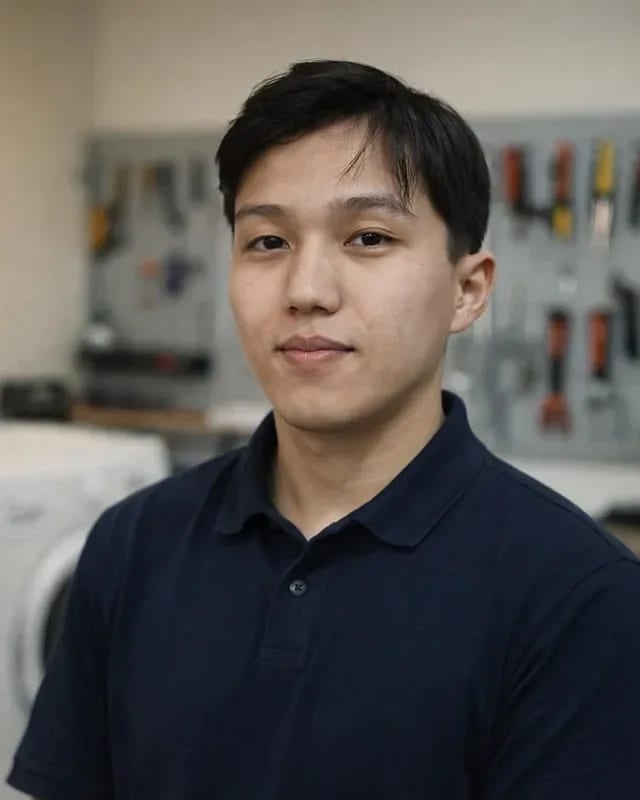 experience8 years
Expert washing machine repair technician
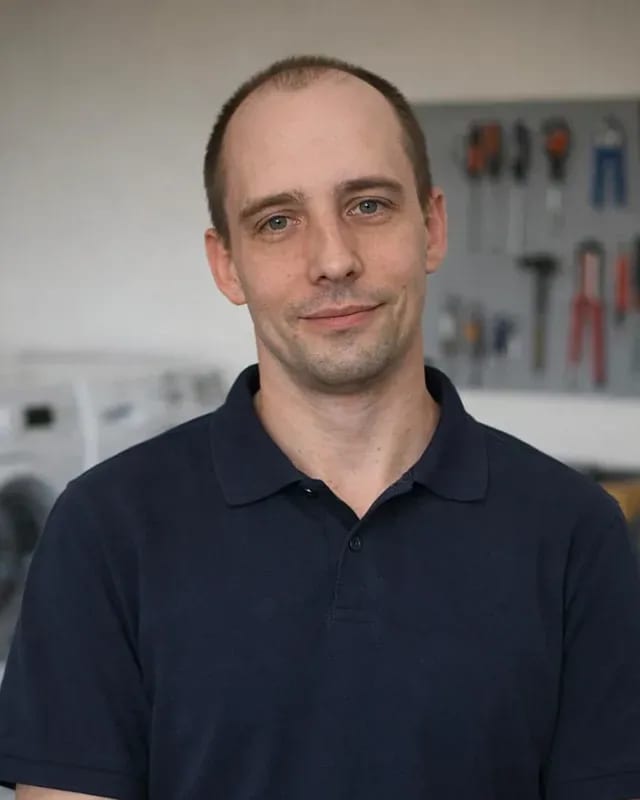 experience8 years
Field refrigerator repair technician
 experience8 years
Senior washing machine repair technician
 experience11 years
Dishwasher repair technician
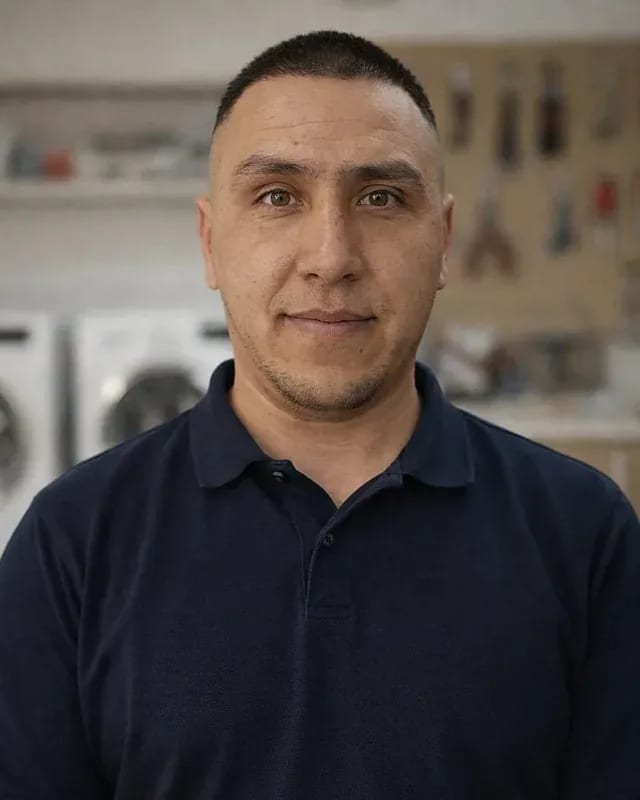 experience9 years
Washing machine repair technician
We reply during working hours
Choose a convenient time and request a technician visit in Almaty.

Warranty question? Call us
+7 (778) 021 13 16Tech Service repairs hair straighteners, curling irons, and flat irons in Almaty: a technician arrives at your home within 60 minutes or the work is done at our service center. Diagnostics are free, there is a 1-year warranty on labor and parts, and the technician gives you the price after diagnostics. We fix the heating element, control board, temperature sensor, and power cord.
Hair straighteners go through constant thermal cycling and mechanical pressure, so they wear out differently than hair dryers. Here’s which parts fail first and how it shows up.
Every time you turn the device on and off, it goes through a thermal cycle: the heating element and plates expand and contract, and these cycles wear out the coil and protective coating faster than anything else. Inside the housing there’s a nichrome coil or a ceramic heating element, and on the outside are plates with ceramic, tourmaline, or metal coating. When heated to operating temperatures of 180–230 degrees, the metal expands; when it cools, it contracts, and microcracks in the coating build up cycle after cycle. A hair dryer moves air and rarely reaches extreme temperatures, while a straightener holds operating temperature for hours, so its heating element wears out much faster. Heating without airflow means heat isn’t carried away but builds up in the coil and near the sensor. The practical takeaway: don’t leave the device on between styling sessions—extra cycles at maximum temperature shorten the heating element’s life more than the actual work does.
Floating heat and one-sided heating are almost always due to a degraded temperature sensor or a break in one of the heater circuits, not “finicky” electronics. The temperature sensor—usually a thermistor—is mounted right against the plate and sends temperature readings to the heating control board; over time its characteristics drift, and the board gets readings that are too high or too low. If the device heats on one side, the second coil is broken or its contact is burnt, and heating is maintained only by the neighboring one. When the sensor is off, the board either overheats the plates or underheats them—externally this looks like unpredictable behavior. In practice, we first check both heater circuits and the thermistor resistance, and only then touch the board—replacing the sensor is simpler than repairing the control electronics.
By the symptom, you can roughly tell which part is to blame and whether it’s worth repairing at all—below we cover common breakdowns and their causes.
| Symptom | Likely cause | Component | Repairability |
|---|---|---|---|
| Won't turn on | broken cord or fuse | cord, thermal fuse | high |
| Turns on but doesn't heat | burnt-out heater or board | heater, board | high |
| Doesn't hold temperature | sensor degradation | temperature sensor | high |
| Heats on one side only | broken heater circuit | heater | high |
| Flickers when the cord is moved | broken wire at the handle | power cord | high |
| Plates won't close | worn hinge or spring | hinge, spring | medium |
| Burning smell, smoking | overheating or worn insulation | heater, cord | depends on the component |
During diagnostics, our technician first checks the heater's integrity and the sensor readings, and that's usually enough to tell whether the problem is in the heating element or the control board. The heating element heats the plates, while the control board regulates temperature based on the sensor signal. When the heat indicator is on but the plates stay cold, the heater or its circuit is usually to blame. If there is heat but the temperature fluctuates, the issue is in the sensor and the board. Diagnostics are free, so both components can be checked before you agree to have your flat iron repaired. In such cases, flat iron repair starts with pinpointing the exact component. If the indicator is on but the plates are cold, the heater or its circuit is usually at fault; if there is heat but it fluctuates, the sensor and board are the likely culprits. In my opinion, these two faults shouldn't be confused: replacing the heater and working on the board are different jobs, and the technician quotes the price after free diagnostics, once the cause is confirmed.
When the tongs turn off as you move the cord near the handle, the wire inside the power cord is almost certainly broken, and this is one of the most common yet repairable faults. The power cord supplies electricity to the heating element, and at the handle it's protected by a sleeve that wears through from the inside with frequent bending—the cord may look intact from the outside. This defect is dangerous not only because the heat stops: damaged insulation at the handle can spark, so don't use the tongs until they're repaired. In our experience, replacing the cord is usually faster than tracking down an intermittent board fault, but the technician confirms the exact scope of work after inspection. Before you call us, wrap the bend with electrical tape and don't plug the device in—this reduces the risk of a short circuit while you wait for the technician.
We can fix your tongs right at your home or at our service center—here's how the two options differ and which one to choose in your case.
We repair tongs at your home: a specialist arrives within 60 minutes anywhere in the city, runs free diagnostics, and agrees on the scope of work before starting. This format covers most tongs repair requests in Almaty—you don't have to go anywhere or leave the device for days. On site, the technician opens the housing, checks the power circuit, heater contacts, and control board condition, then shows you the fault and explains what will be replaced. Faults in the cord, power button, or a burnt board contact are fixed on the spot, without transporting the device. A complex case—a cracked housing, a jammed hinge, a damaged heater coil—is taken to the service center, where there are proper conditions for a full teardown. Diagnostics are free whether you agree to the work or not. At-home repair is convenient when the fault is in the cord, button, or board—such components are replaced on site, while a complex case may be taken to the service center by the specialist.
A Tech Service specialist arrives within 60 minutes anywhere in the city, so you won't wait more than an hour from the moment you request. The service covers all districts—from the outskirts to the center—and the technician confirms the travel time when calling so you're not left wondering. Requests are accepted throughout the day, and the same person who later services your device comes to your address—no handovers between shifts dilute responsibility. He brings diagnostic and repair tools and coordinates the necessary parts as work progresses. If a rare part is needed, he gives a separate timeline and agrees it with you. While the specialist is on the way, don't plug the straightener back in if it sparked or smoked—this reduces the risk of damaging the board and housing.
Not every breakdown is worth fixing: we explain when a device can be brought back to life and when it's wiser to buy a new one.
Buying new makes more sense when the plates are worn, the housing is cracked, or restoration requires replacing several expensive components at once. A cracked housing holds the plates misaligned: even a working heater gives uneven pressure, and hair heats more on one side. It's also worth considering the age of the device—if the heater, board, and cord have all failed at the same time, the scope of work approaches assembling a new device. We also look at the working surfaces: when the ceramic has worn down to the metal, hair snags and the plates overheat locally, and replacing the coating costs half of a new device. In my opinion, honesty from the technician matters here: calling a case 'hopeless' is easier than dealing with a single broken wire. Before such a decision, it's worth getting a free diagnostic—sometimes a 'hopeless' case turns out to be just a broken cord, and the device works again.
After a fall or water exposure, we first perform a free diagnostic and only then say whether the device is repairable. An impact most often affects the plate mounts and housing: a crack at the hinge causes misalignment, while the device looks intact from the outside. Moisture is more dangerous—it reaches the control board, oxidizes contacts and traces, and causes more damage than the fall itself. Our technician opens the housing, checks the board and heater, and after inspection names the likely cause and scope of work. If water got inside, don't turn the device on before inspection—moisture on a live board damages more components than the impact itself, and oxidation of traces spreads to neighboring circuit areas within a day, adding new items to the work.
We walk you through the journey from request to ready-to-use styler: how each step works, what the technician is responsible for, and what commitments apply once the device is back in your hands.
We provide a 1-year warranty on labor and parts, meaning we stand behind both the quality of service and the installed unit. The commitment covers the replaced part and the work performed, so if the same unit fails again, you won't have to pay twice. The 12-month period is not a formality: if the heating element or thermal sensor from our batch fails earlier, you come back and we investigate the cause. In my view, this is what separates a proper service from a 'fingers crossed' replacement. In our workshop practice, customers most often return due to the circuit board after power surges — the warranty removes the question of who pays for reopening the device. It's important to remember: the commitment is tied to the specific unit that was replaced, so if a new breakdown occurs that is unrelated to the service, its terms no longer apply.
You can pay via Kaspi QR, Kaspi Red, bank card, cash or bank transfer for companies, and the specialist quotes the price after free diagnostics, once the cause of the breakdown is clear. This makes sense: until the styler is opened, it's impossible to say what needs replacing — the heating element, thermal fuse, or control board. You can pay in the way that suits you: cash, card, or transfer — the technician will suggest an option on the spot. The final amount depends on which unit is being replaced, so quoting it before diagnostics means guessing, not calculating. In our practice, customers are often surprised that the cause turns out to be a cheap fuse rather than an expensive heater — and that's another reason to diagnose first and decide later. If you decline service at the approval stage, diagnostics remain free.
We repair devices of various brands and explain how to behave if the device sparks or smokes before the technician arrives, and why you shouldn't open it yourself.
Taking a flat iron apart yourself often ends with broken plastic clips and a damaged board, and without checking the heat after reassembly the problem can come back. On most models the housing is glued or held by fragile clips, and prying them open with a screwdriver without chipping them is rare. Inside, the control board is connected to the heating element by thin wires that are easy to tear when opening the device carelessly. Even if you manage to replace the cord, without temperature control it's easy to overheat the plates — and that's wear on the coating that can't be fixed. A thermal fuse protects the device from overheating, and with incorrect reassembly it's easy to bypass or damage it, losing that protection. In our practice, DIY cord replacement has often led to uneven heating: one plate got hotter than the other. A technician checks the heat during a test run and only then hands the device back, so DIY disassembly is a questionable alternative to calling a specialist if you don't have the experience and the tools to monitor temperature.
The breakdown is over: below is a quick summary of the signs of a flat iron failure and the first steps to take when it stops heating or turning on.
Tech Service technicians repair other appliances too — with the same 1-year warranty on labour and parts.
 Refrigerator Repair in Almatyfrom 3 000 ₸
 Washing Machine Repair in Almatyfrom 3 000 ₸
 Dishwasher Repair in Almatyfrom 3 500 ₸
 Oven Repair in Almatyfrom 3 000 ₸
 Cooktop Repair in Almatyfrom 3 500 ₸
 Air Conditioner Repair in Almatyfrom 3 500 ₸
 Boiler and Water Heater Repair in Almatyfrom 2 500 ₸
 Freezer Repair in Almatyfrom 6 000 ₸
 Tumble Dryer Repair in Almatyfrom 5 000 ₸
 Coffee Machine Repair in Almatyfrom 2 500 ₸
 Robot Vacuum Cleaner Repair in Almatyfrom 3 500 ₸
 Vacuum Cleaner Repair in Almatyfrom 1 500 ₸
 Microwave Oven Repair in Almatyfrom 2 000 ₸
 Hair Dryer Repair in Almatyfrom 1 500 ₸
 Iron Repair in Almatyfrom 3 000 ₸
 Electric Kettle Repair in Almatyfrom 2 500 ₸
 Mixer Repair in Almatyfrom 2 500 ₸
 Multicooker Repair in Almatyfrom 500 ₸

If your dishwasher won't drain, the most common culprits are a clogged filter or drain hose; less often, it's the pump, impeller…
24 March 2026 · 12 minutes read
A washing machine can hum for many reasons, and the first thing to figure out is when the sound appears.
20 March 2026 · 12 minutes read
If your washing machine isn't filling with water, the most common culprits are a closed valve, a clogged inlet filter screen on the hose…
20 February 2026 · 13 minutes read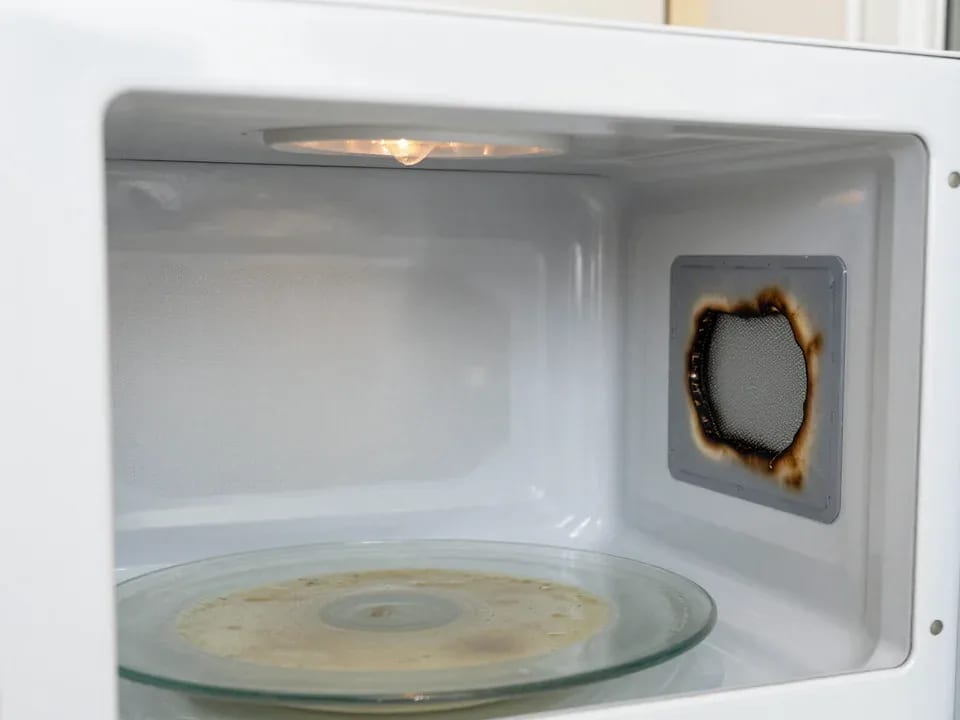
If your microwave isn't heating but the light and turntable still work, the problem is usually one of the high-voltage components — the magnetron, diode…
15 February 2026 · 12 minutes read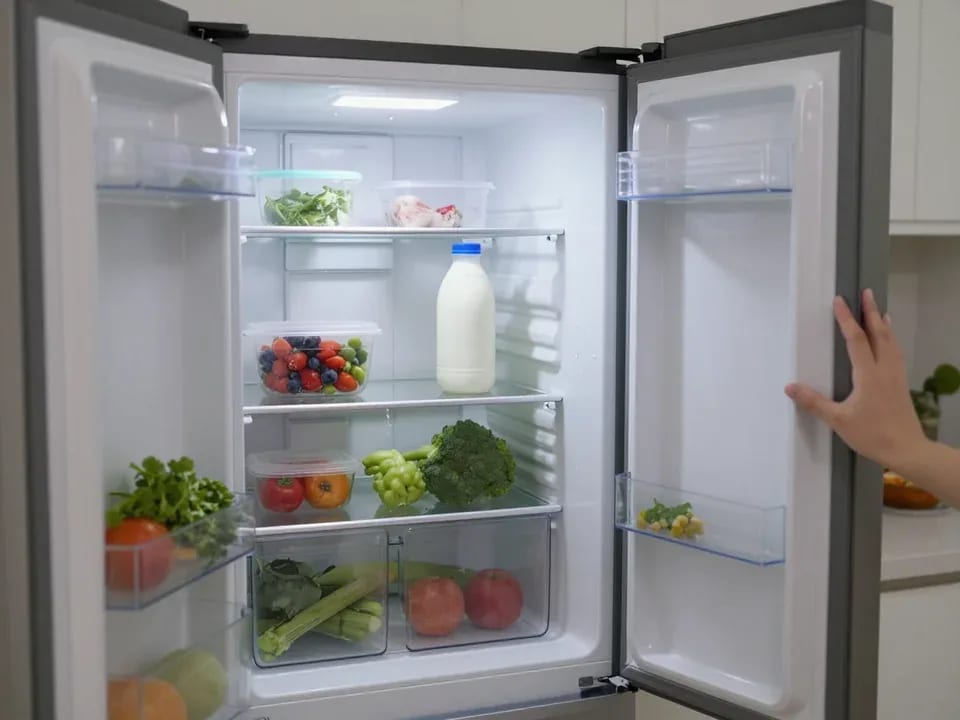
If your refrigerator stops working, first check the outlet, the power cord, and the thermostat setting, and after defrosting let it stand for a while.
4 February 2026 · 12 minutes read
Washing machine error codes are self-diagnostic codes that point to a specific component: drain, water fill, heating, motor, or door lock.
29 January 2026 · 13 minutes read