Tech Service replaces coffee machine filters at your home across Almaty: a technician arrives within 60 minutes, diagnostics are free, and we provide a 1-year warranty on labor and parts. Before replacement, the technician selects a cartridge for your model, then checks the connections for leaks and tests the water flow after installation.
How to tell it's time to replace the coffee machine filter
The filter is a consumable with a limited lifespan, and its replacement isn't tied to a breakdown. Here's how to spot the signs that the cartridge is worn out and why putting it off doesn't pay.
Signs the cartridge is worn out
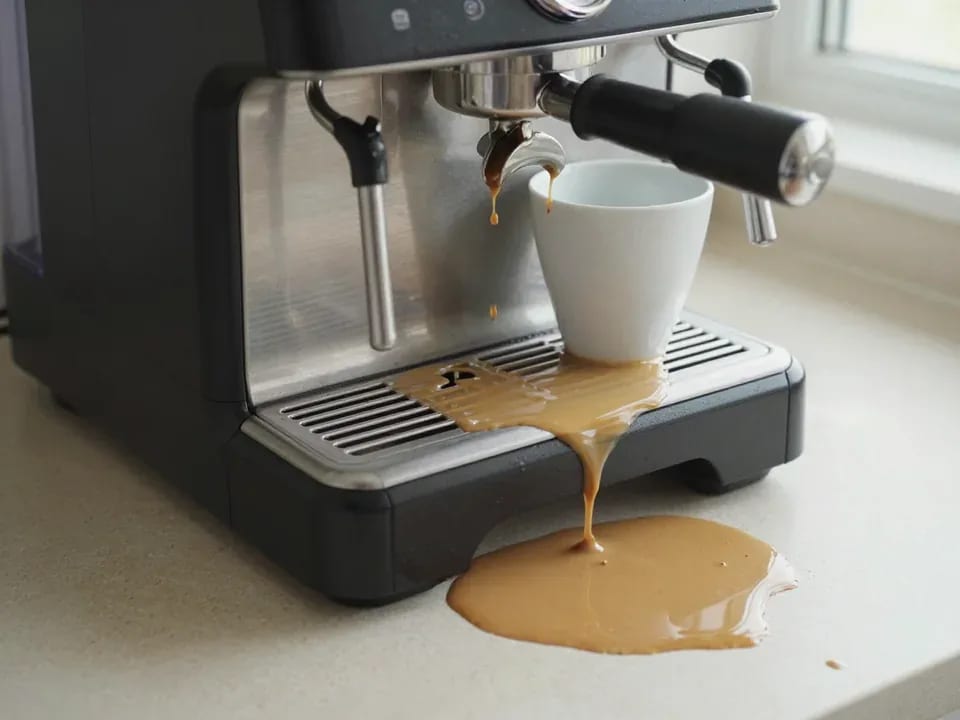
The indicator on the panel, a change in coffee taste, and limescale on the tank are the three main signs that the cartridge is nearing the end of its life. The counter on the display tracks liters or months of use, and after it resets to zero the machine keeps brewing, but the water is no longer softened. The taste changes gradually: a metallic or chalky note appears, the crema on espresso becomes coarser, and a white film shows up on the walls of the water tank. On models with a mechanical indicator on the cartridge body, you turn the marker by hand after installation, and its position shows how much is left. Another sign is that scale builds up on the filter cartridge faster than usual: if a new cartridge clogs noticeably sooner, the water is harder than you thought. Even with infrequent use, the cartridge ages: if the coffee machine has sat idle for several months, it's better to replace the filter rather than wait for the counter to hit zero.
What happens if you don't replace the filter on time
A worn-out filter stops holding back hardness minerals, and scale builds up on heating elements and in the hydraulic system. Almaty water comes from surface sources and contains a noticeable amount of calcium and magnesium — these are exactly what precipitate when heated above 60 degrees. The boiler, thermoblock, and temperature sensor are the first to suffer: a layer of deposits worsens heat transfer, the machine takes longer to reach operating mode and uses more energy. Then the hydraulic channels narrow and the pump works under increased load, and the valves start to stick. In advanced cases, deposits reach the brew unit and grinder — the burrs grind unevenly, and extraction shifts toward bitterness. Scale gradually reduces the life of heating elements, so a breakdown usually shows up only after preventive maintenance would have been cheaper and simpler.
Types of filters and choosing the right one for your model for coffee machine filter replacement
Cartridges in coffee machines differ by purpose and by how they fit into the slot. Let's look at how filter types differ and how to choose the right option for your model.
How softening, antibacterial, and carbon filters differ
| Filter type | What it does | When it's chosen |
|---|
| Softening (ion-exchange) | Reduces hardness | Hard tap water |
| Antibacterial | Traps bacteria | Water source not tested |
| Carbon | Improves taste and odor | Soft water, focus on taste |
How to choose a filter for your coffee machine model
We select the cartridge during free diagnostics: we consider the filter slot, water type, and the manufacturer's requirements. DeLonghi, Jura, Philips, Saeco, Bosch, and Nivona have different slots and threads — a consumable from one brand won't fit another's slot or won't seat tightly, and water will bypass the filter. A Tech Service technician arrives within 60 minutes anywhere in the city and checks the part number against the machine's manual on site: for Jura it's the Claris line, for others it's their own series. If you use bottled water, the replacement interval is usually longer, but it's still not worth skipping the cartridge entirely: its hardness can vary too. For hard water, prioritize a softening cartridge — it addresses the main cause of scale, while a carbon filter works more on taste. In our experience, the filter is chosen by the machine's manual, not by the label on the cartridge packaging.
Filter replacement vs. descaling: what's the difference
These two procedures are often confused, though they serve different purposes. Let's break down what each one does and why one doesn't replace the other.
How filter replacement differs from descaling
Installing a new cartridge prevents scale buildup, while descaling removes existing deposits from internal surfaces. The consumable sits on the water supply line and softens the water before it reaches the boiler: ion-exchange resin traps calcium and magnesium salts, which turn into a hard layer when heated. Descaling works from the opposite side—it dissolves deposits with an acidic solution and flushes them out of the hydraulic system, including the boiler, valves, and brew group. Scale builds up layer by layer, and every millimeter of deposit worsens heat transfer: water takes longer to heat, and the heating element works under overload. One procedure doesn't replace the other: even with a working cartridge, scale gradually accumulates, and without it, descaling would be needed much more often.
Is system flushing included in filter replacement?
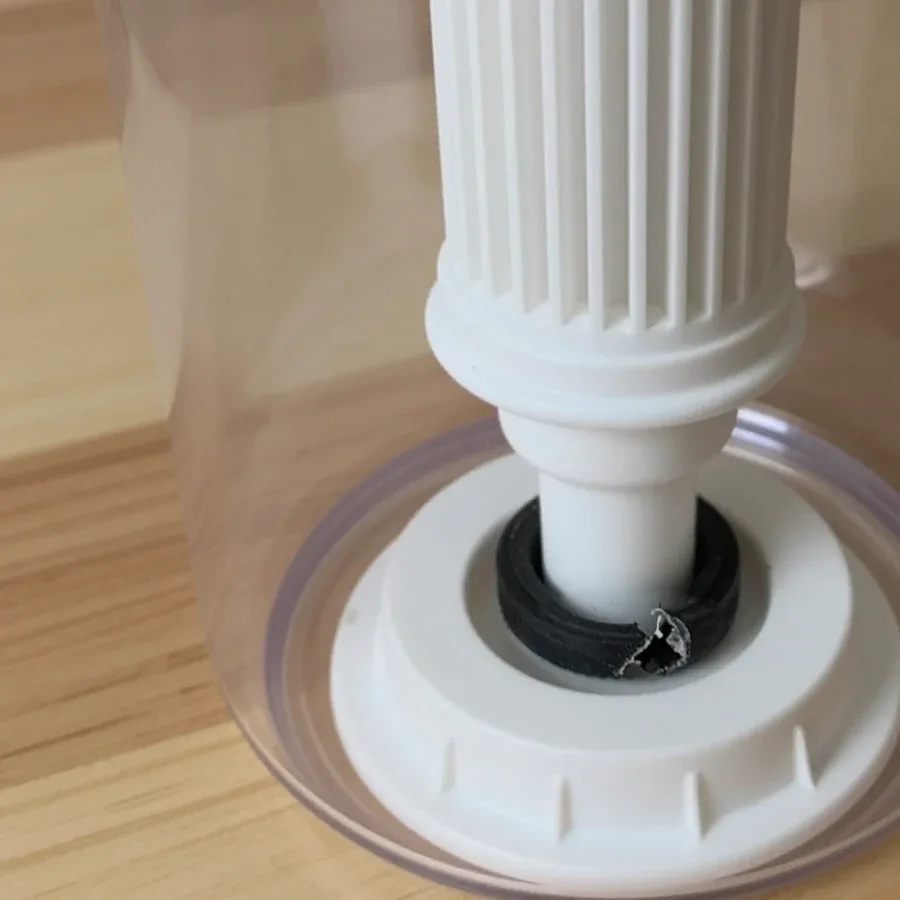
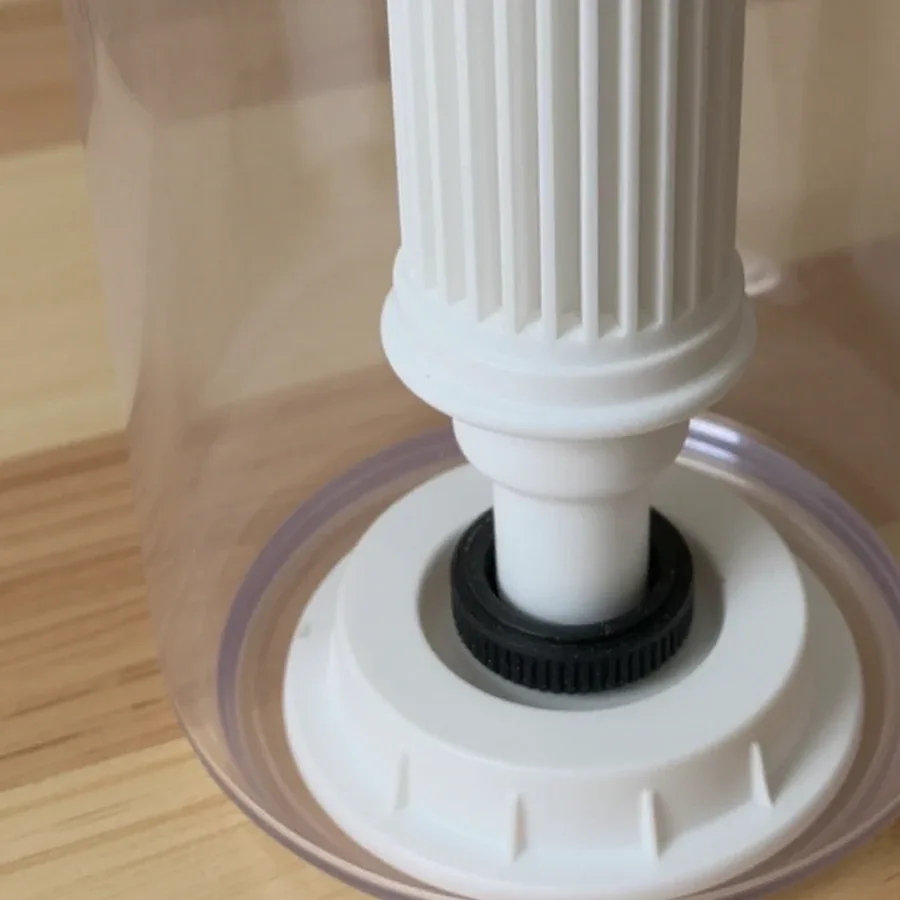
When changing the cartridge, we check the connections for leaks and test the water supply, and if necessary, we discuss system flushing separately after diagnostics. We inspect the O-rings for wear when removing the consumable: an old rubber ring causes a micro-leak, and water starts bypassing the filter, leaving hardness without softening. The supply test shows the inlet pressure and pump behavior after installing the new element—this way we can see if any air remains in the line. Flushing the hydraulic system without disassembly is done only when indicated: if diagnostics reveal deposits on the valves or in the boiler, the technician quotes the scope of work separately from the cartridge replacement. Reusing a consumable after its resource is exhausted is not advisable: the ion-exchange resin becomes saturated with salts and stops softening the water, even if the filter looks clean on the outside.
How coffee machine filter replacement works at home
We replace the filter at your home, without a trip to the service center. Here's what the technician's visit involves and what they check after installing the new element.
Step by step from request to leak check
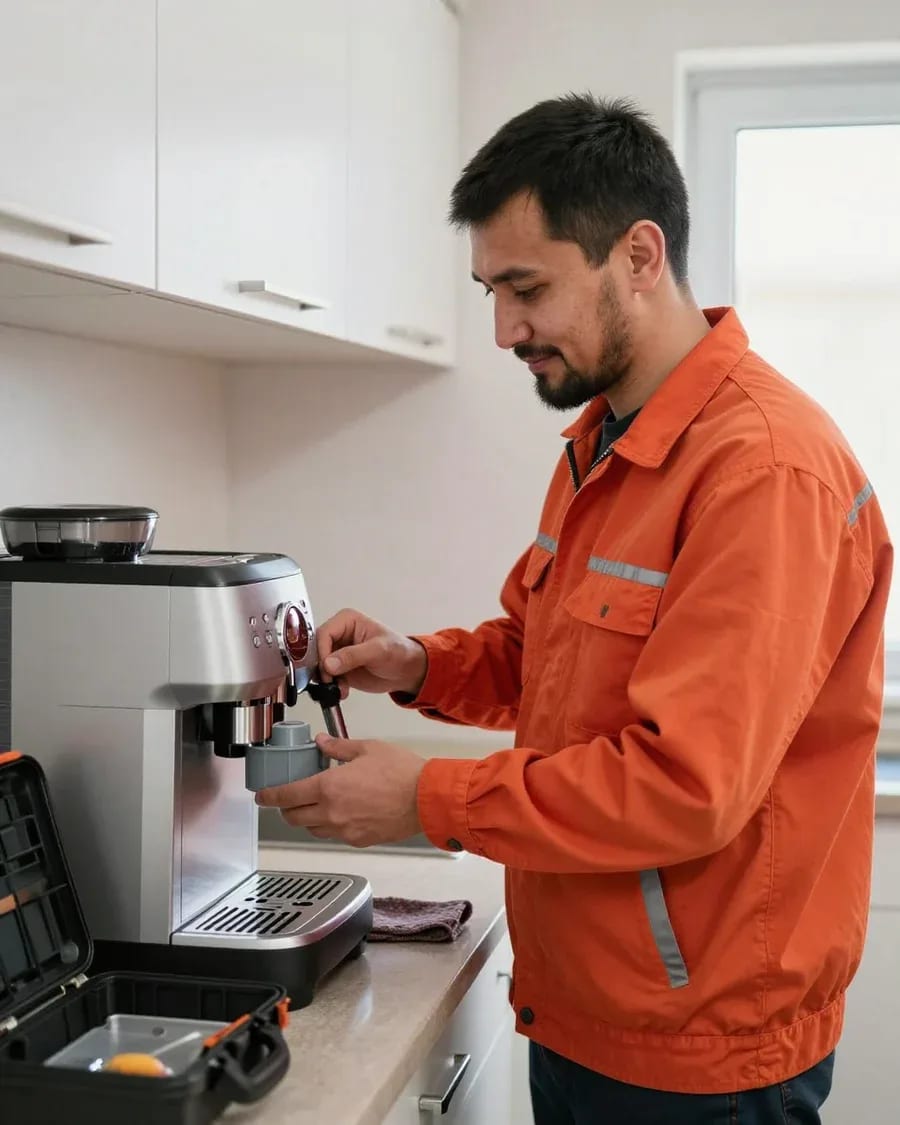
- Technician visit: we arrive within 60 minutes anywhere in the city and bring the right element for your model.
- Free diagnostics: we check the condition of the filter socket, O-rings, and water supply before replacement.
- Removing the old element: we carefully take out the used consumable and inspect the seat for dirt and scale traces.
- Installing the new one: we place the part in the socket, ensuring a tight fit and correct positioning of the O-rings.
- Water supply test: we run water through the system and check that the flow is steady, without air or sputtering.
- Leak check: we inspect the connections for seepage—this is where a loose ring fit most often shows up.
Can you replace the filter yourself, and when is it better to call a technician?
You can replace the cartridge yourself following the instructions, but we recommend calling a technician for model-specific selection, leak checking, and combining it with coffee machine cleaning. DIY replacement saves time if the model is common and the filter socket is in good condition. Difficulties start at the selection stage: softening and carbon filters look similar, but their lifespan and compatibility with a specific line differ. We perform coffee machine filter replacement at home in Almaty and also check whether the system needs descaling. If a leak appears after DIY replacement or the machine doesn't recognize the part, the cause is usually the fit and O-rings, not the element itself. Our technician arrives with a set of rings and gaskets and replaces them if worn. The 1-year warranty on labor and parts covers both the replacement and the rings.
Warranty, payment, and Tech Service terms
Below are the key terms you should know before requesting service: warranty on work, payment procedure, and the fact that we work as a direct provider, not an intermediary.
Warranty and payment
- 1-year warranty: we provide a one-year warranty on labor and parts for filter replacement — if something goes wrong, we handle it ourselves.
- Payment methods: we accept cash, transfers, and bank cards — you choose the method, with no restrictions on format.
- Free diagnostics: before any work, a technician checks the system and determines which element is right for your specific model.
- Price after diagnostics: the technician gives you the cost once it's clear which part is needed and what work will be required.
- Diagnostics before payment: we first check the unit and agree on the scope, and only then discuss how much the procedure will cost.
Why a direct contractor is better than an intermediary
Tech Service is a direct contractor: our own technician comes to you, not an aggregator's employee, so we take responsibility for the work and the warranty. The visiting specialist selects the right element for your model, removes the old one, and checks the connections for leaks after installation. He reaches you anywhere in the city within 60 minutes — the same timeframe for the center and for residential areas, because our dispatcher takes the request, not a third-party service. When a direct contractor performs the service, any warranty issue is resolved with the same service that did the procedure, without back-and-forth between subcontractors. In my view, that's the main argument: in a dispute, you don't have to prove who damaged the unit — the one who held the tools is responsible.
Why coffee machine filter replacement is essential
We've gathered the key things to keep in mind before replacing the filter element — from choosing the right model to checking the system after installation and the terms of your future request.
- Consumable lifespan is limited: replace it based on the indicator, changes in coffee taste, and the condition of the reservoir, not by the calendar.
- Model-specific selection: the type of element is chosen based on water hardness and coffee machine brand, not at random — otherwise softening works at half strength.
- Two different procedures: filter replacement and descaling solve different tasks and do not replace each other.
- Leak check: after installation, checking the connections is just as important as the procedure itself.
- Warranty and payment: a one-year warranty on labor and parts plus clear payment terms remove the main doubts before you request service.