Василий Е.Order No. 33037 · 25 February 2026
oursОбращаюсь сюда второй раз, впечатление не изменилось. Дамир М подобрал аналог дешевле, не навязывал оригинал.
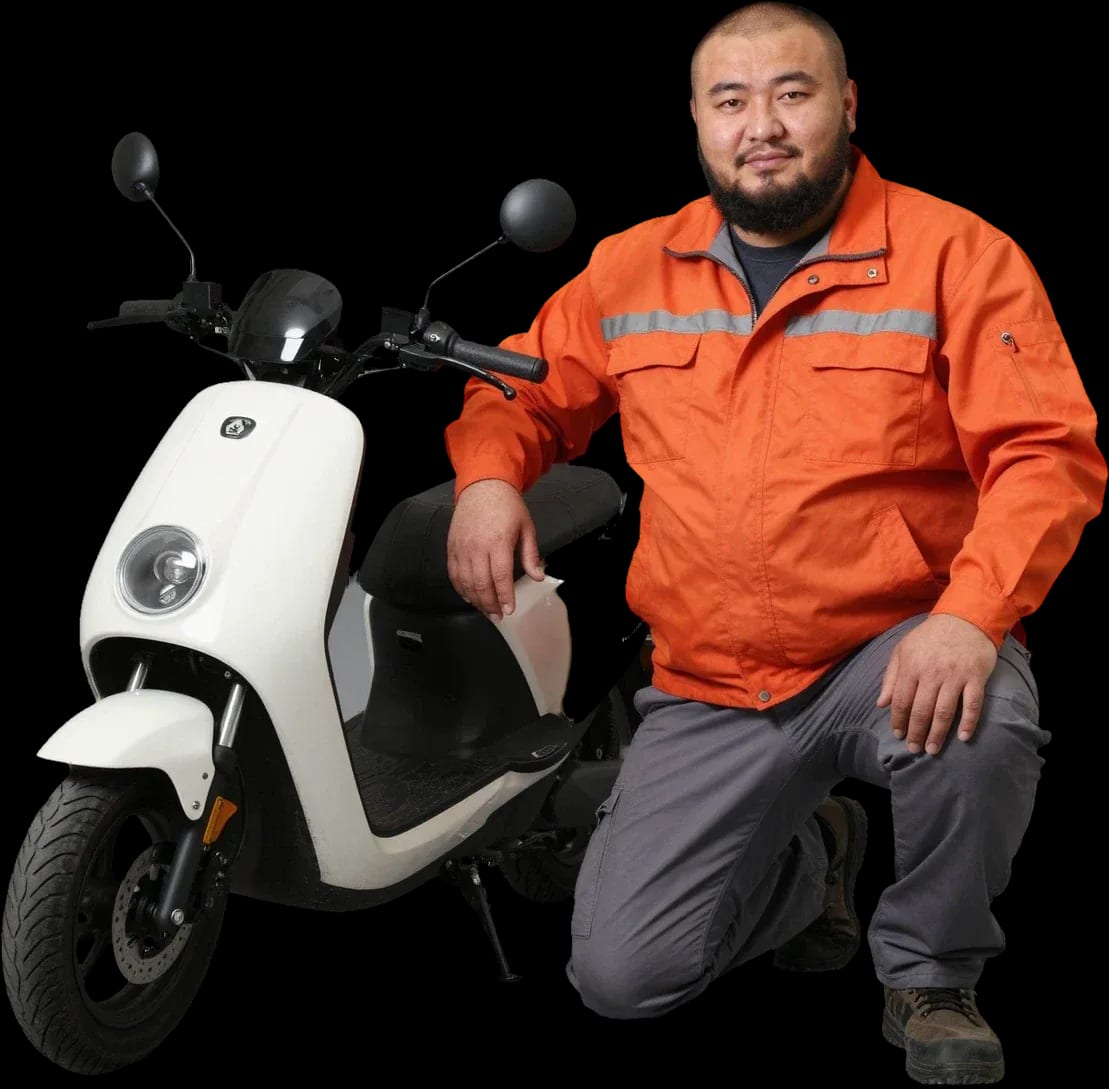
A technician arrives within 60 minutes anywhere in the city. Diagnostics are free.
Our own technicians4 to 20 years of experience

Repair prices
Below are typical symptoms and likely causes. The technician will pinpoint the exact cause after inspection and measurements.
Battery connector, fuse, BMS
from5 000 ₸
Controller, Hall sensor, motor winding
from6 000 ₸
Cell wear, discharge, imbalance
from8 000 ₸
Controller, motor, riding mode
from6 000 ₸
Wiring, fuses, display
from5 000 ₸
Pads, shock absorbers
from3 000 ₸
Bearings, motor mount
from6 000 ₸
The code points to the component
from6 000 ₸
1 visittime
from 2,500 ₸cost
 BeforeAfter
Five steps from request to checking the result.
Describe the symptom and model — the technician will prepare for the visit.
The technician brings tools and parts for the described symptom.
The technician identifies the preliminary cause and lists the needed parts before approval.
You approve the scope of work and parts, then the technician starts.
Check the controls and make sure there are no error codes on the display, and ask the technician any questions.
We reply during working hours
Choose a convenient visit time, confirm the address and model — the technician will arrive within 60 minutes anywhere in the city, diagnostics are free.

Warranty question? Call us
+7 (778) 096 59 61 experience14 years
Senior small appliance technician
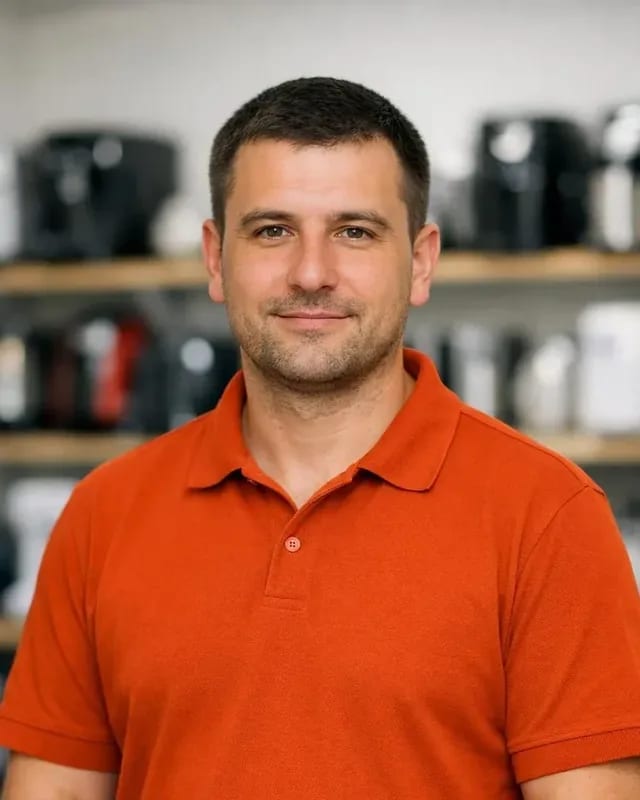 experience15 years
On-site coffee machine diagnostics technician
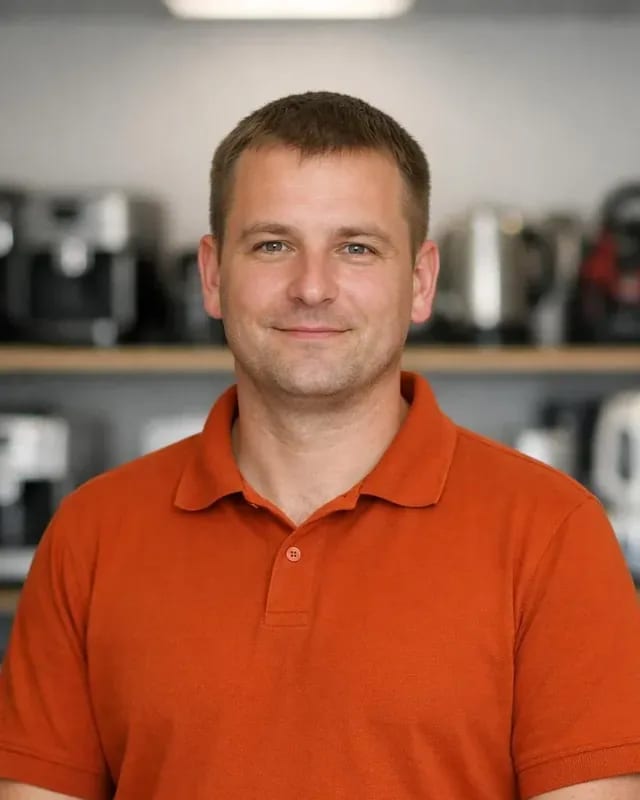 experience5 years
Coffee machine cleaning technician
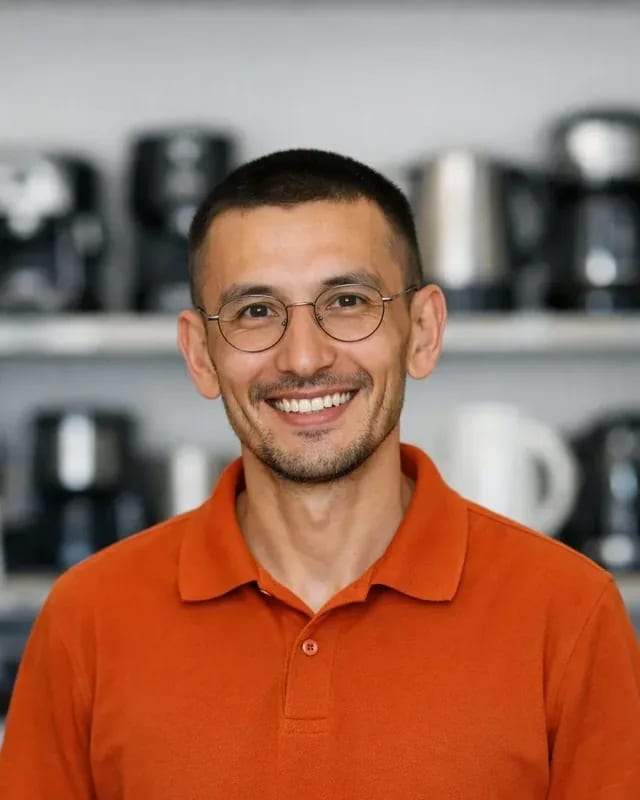 experience12 years
Coffee machine diagnostics technician
 experience5 years
Portafilter coffee machine technician
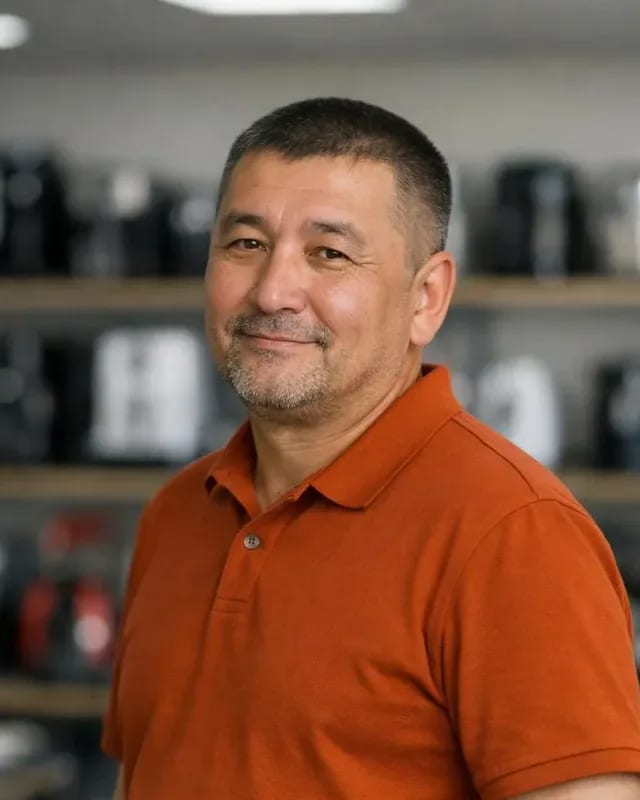 experience12 years
Vacuum cleaner repair technician
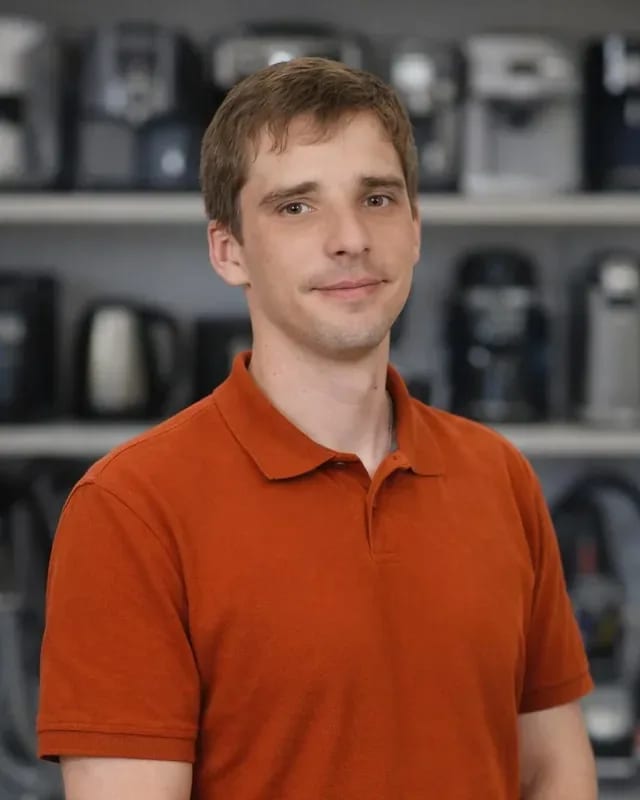 experience15 years
Vacuum cleaner repair technician
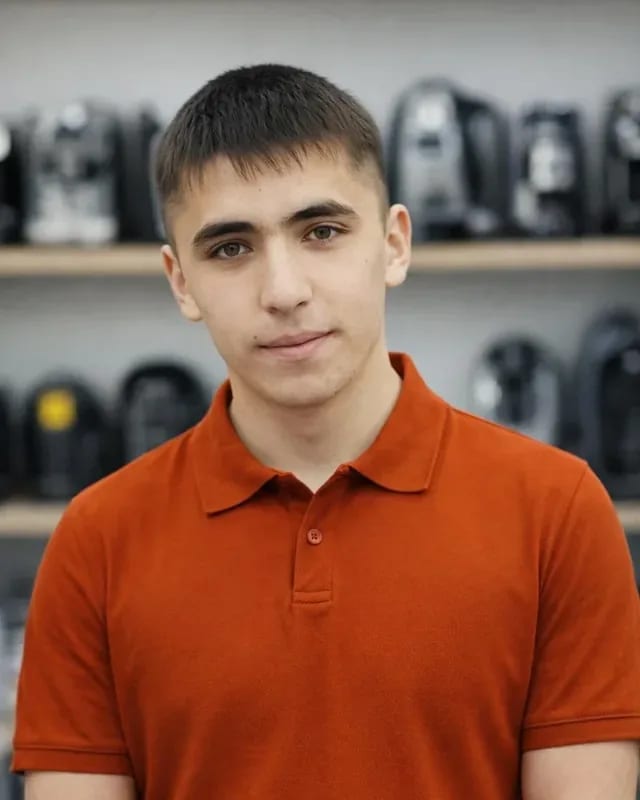 experience18 years
Washing machine repair technician
Tech Service is a direct provider of electric motorcycle repair in Astana: our technician comes to your home or repairs the vehicle at our service center. Diagnostics are free, we arrive within 60 minutes anywhere in the city, and you get a 1-year warranty on labor and parts. The technician gives you the price after diagnostics.
A symptom is not a diagnosis. The same complaint can point to different components, so we start with free diagnostics rather than replacing everything in sight. Work on this profile in Astana goes from checking the circuit to drawing a conclusion.
We start by checking the power circuit — the fuse, connectors, and battery management board — because "won't turn on" most often means the electronics have blocked the output. The specialist tests the wiring from the ignition switch to the controller, checks the fuse integrity and the contacts on the traction battery terminals. The throttle sensor is tested separately: if it doesn't send a signal, the display comes on but the hub motor doesn't respond to the grip. The board may go into protection due to cell imbalance or a triggered current threshold. If the vehicle is silent after winter, the battery isn't always to blame — oxidized contacts after road chemicals produce the same symptom, and cleaning them restores power without replacing parts. This kind of electric motorcycle repair in Astana starts with precise diagnostics so we don't replace working components.
For us, the "won't charge" cause falls into three areas — the charger, the charging port, and the battery electronics — and the specialist checks them one by one so as not to replace a working component. First, the charger's output voltage is measured under load, then the port is inspected for burnt contacts and moisture, and only after that the board data on cell condition and temperature is read. The traction battery may not accept current due to imbalance or triggered cold protection. A charger that "doesn't see" the battery is often faulty itself — it's checked separately before touching the battery. If the power supply is working but no current flows, the specialist looks at the temperature protection and the connector.
We decode the error code on the display according to the controller model, and jerking during acceleration most often points to a Hall sensor or voltage drop when the power unit is under load. The error number means different things for different manufacturers, so the specialist cross-checks it with the specific controller firmware rather than reading a generic table. The jerking is checked on an incline: if the wheel pulls in jolts only uphill, the culprit is a Hall sensor or a loose connector on the phase wires. Voltage drop is visible as a dip in the volt reading on the screen during acceleration. Note the conditions when the code appears — in cold, uphill, after washing; this detail narrows the search faster than the error number itself. If the code repeats regularly, don't put off a visit to the technician: a recurring error wears out the controller's power elements faster.
| Symptom | Likely cause | What the technician checks |
|---|---|---|
| Won't turn on | BMS board, fuse, connectors | power circuit |
| Won't charge | charger, port, battery electronics | charging area |
| Error code | controller, sensors | code decoding |
| Jerking, no pull | Hall sensor, voltage drop | motor and controller |
| Hub motor overheating | overload, winding | motor under load |
| No response after rain | moisture in connectors | wiring and contacts |
The on-site format covers most breakdowns on the spot, but not all. Below we explain how a specialist visit works and when the vehicle still needs to be brought to the service center.
We arrive at your door within 60 minutes anywhere in the city, start with free diagnostics, and only then quote the cost of work. The technician inspects the electric motorcycle, checks the power circuit from the charging connector to the controller, tests the contacts, and reads any errors from the display. Based on the results, they explain which component failed and how to restore it. On-site diagnostics includes checking the power circuit, controller, and connectors—enough to separate a breakdown that can be fixed on the spot from one that requires the service center. Some issues are resolved right at your doorstep, and you don't have to haul the vehicle anywhere. If the problem is more serious, the technician tells you immediately and suggests a service option.
At your home, we fix wiring, connectors, sensors, and controller settings, while complex battery and motor work is moved to the service center. Most often, on-site visits involve replacing oxidized or melted contacts, repairing a frayed wire harness, tightening terminals, and reconfiguring controller parameters after a failure. The hall sensor, brake limit switch, throttle—these components are also checked and replaced on-site. However, a battery with a faulty BMS, a motor wheel with damaged winding, or a controller that requires soldering power traces—the technician takes those to the service center. They immediately explain which component is being taken away and why—you're not left without knowing what will happen next. This approach saves time: you don't pay for transporting something that can be fixed in your own yard.
Our duration depends on the component—adjusting and replacing connectors takes less time than working on the battery or motor, so the exact timeframe is given after diagnostics. Wiring and contacts are the fastest scenario because they don't require disassembling the power unit. Working on the controller takes longer: you need to remove the unit, check the board, and put it back. The battery and motor wheel are the most labor-intensive, as they involve disassembly and reassembly. If the breakdown requires parts, the timeframe depends on their availability, not just on the complexity of the work—we warn you about this in advance. So don't expect an instant result for any component from a single visit: sometimes it's more honest to agree to a service repair right away than to stretch it over several visits.
The battery is the most expensive component of an electric motorcycle, so the question of repair or replace is decided by the condition of the cells and the control board, not by the odometer reading.
We look at voltage drop under load and the behavior of the control board: if capacity drops sharply and the electronics go into protection, restoring the cells no longer gives the desired result. On the traction battery of an electric motorcycle, we check each group of cells separately—a noticeable difference between cells under load indicates degradation earlier than the overall charge on the display. In our practice, the opposite also happens: the owner is ready to install a new assembly, but after balancing and cleaning contacts, the capacity returns to working level. A rapid drop in charge specifically in cold weather is not always a death sentence for the battery; some cases are solved by restoring contacts and balancing rather than replacing cells. Before buying a new assembly, request a per-cell measurement under load—without it, a new battery may not eliminate the symptom, and the money will be wasted.
The control board monitors the cells and cuts off charging when parameters go out of range, so "not charging" often means the protection has kicked in, not a faulty charger. The electronics track the voltage of each group, temperature, and current, and if one cell is out of balance, it breaks the circuit—this way it protects the other cells from overcharging and overheating. Our technicians check the board cell by cell and compare the readings with the charger's behavior: if protection trips at a correct input voltage, the cause is inside the pack. Going into protection is often caused by a single unbalanced cell—checking by group shows this faster than replacing the whole battery. If after resetting the protection charging stops again at the same voltage level, look for the problem in a specific group of cells, not in the charger, otherwise replacing the power supply won't change anything.
| Component | Symptom | Work option |
|---|---|---|
| Traction battery | sharp drop in capacity | restoration or replacement |
| BMS | goes into protection, no charging | board check and adjustment |
| Charger | doesn't "see" the battery | check and replacement |
| Charging port | no contact | cleaning or connector replacement |
The controller and motor are the components that most often cause "no power" and "overheating." We explain when repair makes sense and when replacement is needed.
We can restore the controller if the fault is in the connectors, wiring, or settings, but if the power elements are burned out, the board is replaced. The technician opens the unit, tests the harnesses, and checks the output switches under load: an oxidized contact, a frayed wire, or a corrupted firmware parameter can be fixed on the spot, while blown field-effect transistors and swollen capacitors mean the unit must be replaced. We also check the board's thermal condition: overheating of the case during steady riding indicates dried-out thermal paste or a clogged heatsink, and this is fixed by cleaning and new paste without replacing the unit. Diagnostics are free, and a technician can be at your door within 60 minutes anywhere in the city. The controller is often blamed for no reason—a voltage drop from the battery produces the same symptoms, so it is checked together with the battery.
We test the hub motor under load—overheating and loss of power on hills point to the winding, bearings, or overload due to voltage drop. The technician spins the wheel under load, listens for bearing noise, and measures winding temperature after a series of accelerations: an inter-turn short causes jerking and a smell of varnish, a worn bearing causes play and whining, and poor phase contact causes a drop in power at start. At idle, the motor may spin smoothly and show no defect, so testing without load reveals nothing. For rare brands, we compare winding parameters with the motor's datasheet to avoid confusing a manufacturing defect with the effects of overheating. If the motor only heats up on inclines but runs fine on flat roads, the cause is more often in the power supply, not the motor itself.
We work with electric motorcycles of all classes, and for rare brands the technician checks the bike first and then tells you which parts are needed and how to source them. Our technicians have 4 to 20 years of experience: they match bearing seat sizes, winding specs, and connector pinouts against the markings on the unit itself, not generic tables. Catalogs for rare models often don't match what's actually inside, so the unit is opened up and measured with calipers and a multimeter before any part is selected. We give a 1-year warranty on labor and parts, and you can pay any way that suits you. With a rare model, we first confirm which motor revision is on the bike and only then pick the parts — identical-looking housings often carry different windings and connectors. For rare models, accurate diagnostics matter more than a one-size-fits-all swap — the wrong unit leads to another breakdown.
Frost, road chemicals, and winter storage are the main causes of spring breakdowns on electric motorcycles in Astana. Here's how cold and salt affect the components and what you should do ahead of time.
In freezing weather the traction battery's capacity drops and the BMS kicks into protection earlier, so winter range shrinks even on a healthy battery. At -30…-35°C the internal resistance of lithium-ion cells rises noticeably, voltage sags under load, and the controller limits current sooner — the bike goes slower and uses noticeably more charge on a climb. After winter, bikes often come in with a similar picture: the cells are formally intact, but deep discharge and sitting in an unheated garage have sped up degradation, and balancing no longer evens out the spread. It's best to store the battery somewhere warm with a partial charge in winter — that way it comes out of the cold in spring without deep discharge and doesn't need a full pack replacement.
We advise against washing an electric motorcycle with a pressure washer and recommend keeping connectors away from road chemicals — moisture in the contacts causes shorts and failures after rain. Winter salt and sand-salt mix settle on the frame, terminals, and plugs, gradually eat through insulation and expose the wires, and by spring corrosion reaches the connector itself and contact is lost. A pressure washer jet forces water under the seals and into the controller housing, where it lingers and corrodes the board. Tech Service fixes the effects of road chemicals and moisture: we clean oxidized contacts, replace damaged wiring sections, dry the connectors, and check insulation across the whole circuit. After a ride on treated roads, just wipe down the contacts and connectors — it's cheaper than chasing a short through the entire harness when several components fail at once.
A warranty and a clear sequence of steps are what set a direct service apart from a middleman. Here's what the 1-year warranty covers, how the price is built, and why the people doing the work stand behind the result themselves.
Our 1-year warranty covers both the technician's work and the parts, so controller repair and unit replacement are protected equally. If the same issue comes back after the repair, we'll take care of it under warranty instead of blaming it on how you use the vehicle. This applies to all work performed and to the parts we installed during the repair. For an electric motorcycle, this matters: the battery and hub motor are the most expensive components, and a repeat failure hits your budget harder than the first one. In my opinion, it's more honest to state the term upfront than to promise "lifetime support" with no specifics. A one-year warranty removes the risk of paying twice for an expensive repair — make sure this is confirmed before work begins.
The technician gives you the price after a free diagnostic, and you can pay via Kaspi QR, Kaspi Red, bank card, cash, or bank transfer for companies so you're not tied to just one. First we find the cause: we check the battery, BMS, controller, and hub motor, then explain what exactly failed and what options you have. Diagnostics are free — you don't pay for them even if you decide not to go ahead with the repair. After that we quote the price and only start work once you agree. This sequence — diagnostics, price, repair — protects you from surprise charges during the job. We accept cash, card, and bank transfer — you choose. We confirm the final amount before disassembling the equipment so there are no unexpected extras. If we find an additional issue during the check, the technician will agree on the new terms with you first and only then continue — no surprises on the bill. We recommend confirming your preferred payment method in advance so the repair finishes without delays.
Tech Service is a direct provider: your electric motorcycle is repaired by our own technician with 4 to 20 years of experience, not by a third-party contractor through an aggregator. A call-out anywhere in the city takes 60 minutes, and the same specialist who is responsible for the result does the work on site. A middleman between you and the technician adds an extra link: one person takes the request, another shows up, and there's often no one to hold accountable for the warranty. With us, the warranty is given by the person who actually did the work. When a repair requires a workshop, our team takes in the equipment, not a reseller. A direct provider is responsible for the result themselves — the one-year warranty and quality of work don't depend on a third party, and that's the main argument for this approach.
Put together, the symptoms form a clear picture: it tells you which component to check first and where the line is between an on-site call-out and a workshop repair.
Tech Service technicians repair other appliances too — with the same 1-year warranty on labour and parts.
 Refrigerator Repair in Almatyfrom 3 000 ₸
 Washing Machine Repair in Almatyfrom 3 000 ₸
 Dishwasher Repair in Almatyfrom 3 500 ₸
 Oven Repair in Almatyfrom 3 000 ₸
 Cooktop Repair in Almatyfrom 3 500 ₸
 Air Conditioner Repair in Almatyfrom 3 500 ₸
 Boiler and Water Heater Repair in Almatyfrom 2 500 ₸
 Freezer Repair in Almatyfrom 6 000 ₸
 Tumble Dryer Repair in Almatyfrom 5 000 ₸
 Coffee Machine Repair in Almatyfrom 2 500 ₸
 Robot Vacuum Cleaner Repair in Almatyfrom 3 500 ₸
 Vacuum Cleaner Repair in Almatyfrom 1 500 ₸
 Microwave Oven Repair in Almatyfrom 2 000 ₸
 Hair Dryer Repair in Almatyfrom 1 500 ₸
 Iron Repair in Almatyfrom 3 000 ₸
 Electric Kettle Repair in Almatyfrom 2 500 ₸
 Mixer Repair in Almatyfrom 2 500 ₸
 Multicooker Repair in Almatyfrom 500 ₸

If your dishwasher won't drain, the most common culprits are a clogged filter or drain hose; less often, it's the pump, impeller…
24 March 2026 · 12 minutes read
A washing machine can hum for many reasons, and the first thing to figure out is when the sound appears.
20 March 2026 · 12 minutes read
The easiest way to remove scale from a kettle is with citric acid: 1–2 tablespoons per liter of water, boil for 5–10 minutes, then drain and rinse.
17 March 2026 · 13 minutes read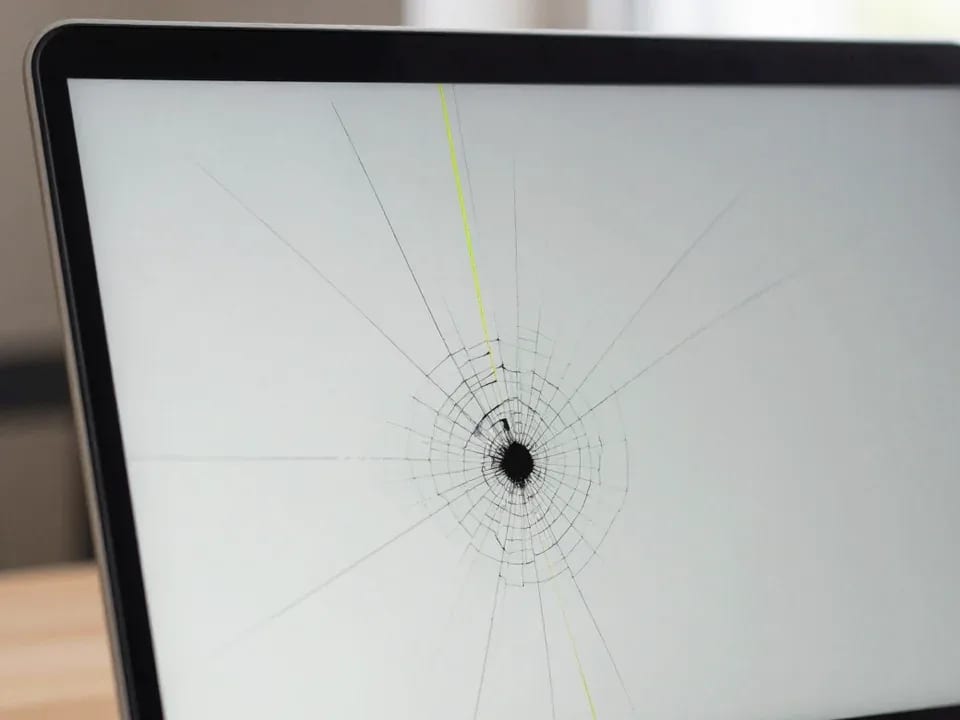
If your laptop screen is broken, turn the device off first, don't press on the display, and check the picture through an external monitor.
12 March 2026 · 11 minutes read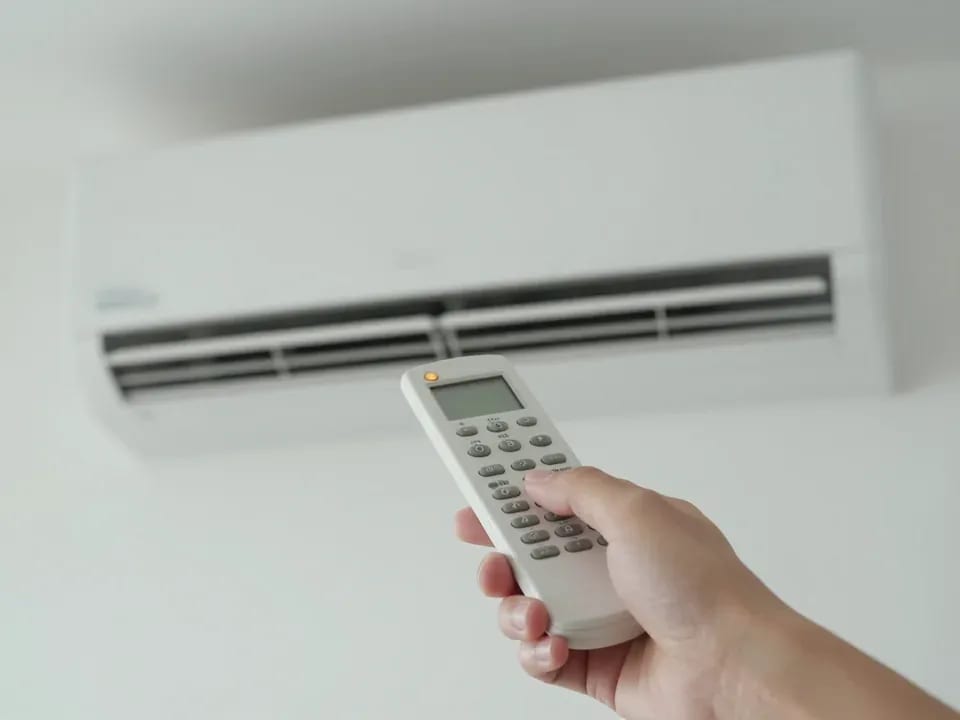
Air conditioner errors are codes on the display or flashing indicators that show which component has failed.
5 March 2026 · 12 minutes read
If your washing machine isn't filling with water, the most common culprits are a closed valve, a clogged inlet filter screen on the hose…
20 February 2026 · 13 minutes read