Михаил У.Order No. AS-8155 · 9 July 2026
oursBoiler and Water Heater Repair in
С чем обратился: не греет. Дамир М отсоветовал дорогой ремонт, предложил простой. Нагрев в норме, посторонних звуков нет
Repair: boiler and water heater repair in
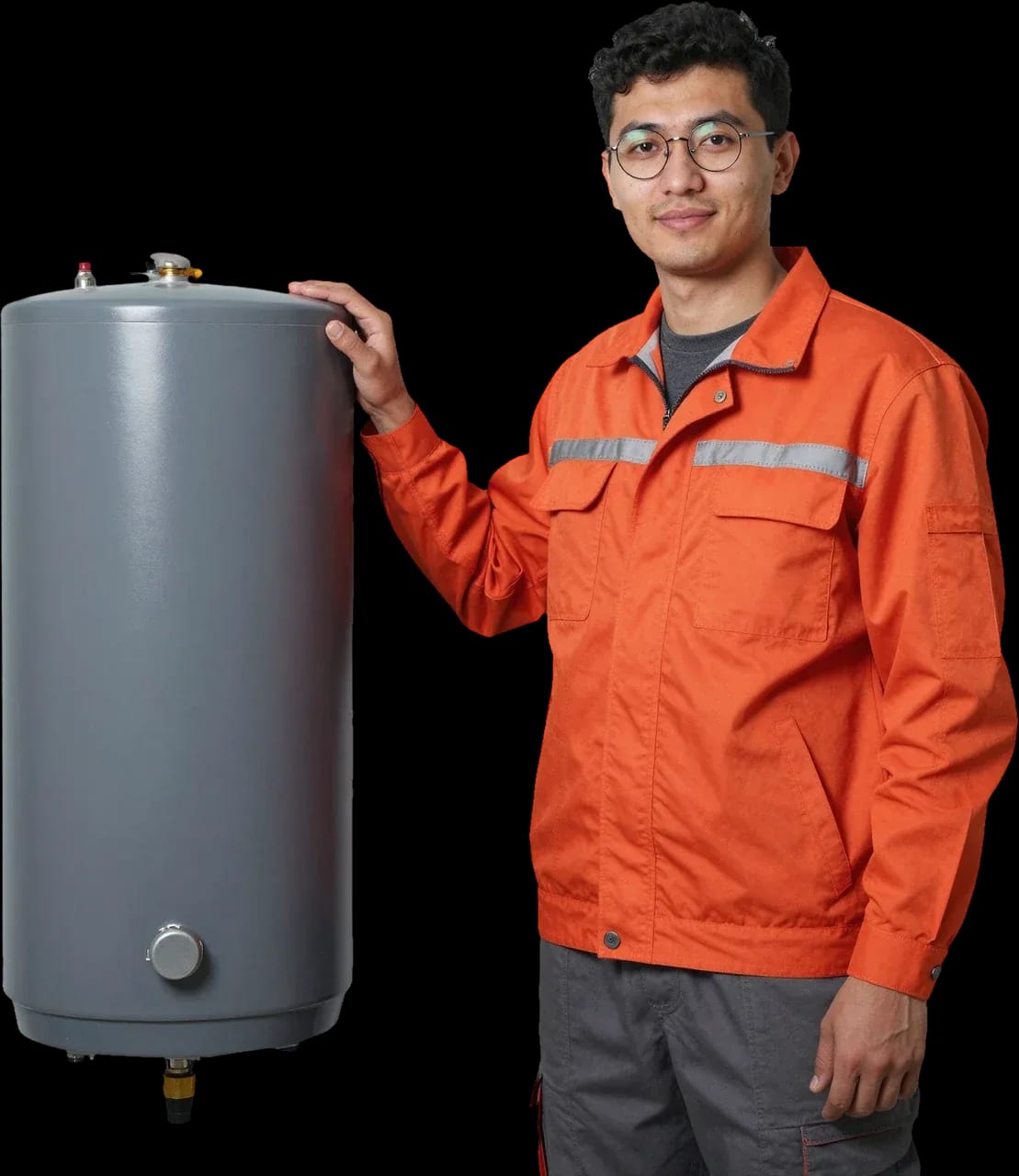
A technician arrives within 60 minutes anywhere in the city. Free diagnostics, technicians with 4 to 20 years of experience.
Our own technicians4 to 20 years of experience




Repair prices
Symptom and likely causes — this is what the technician checks on site.
heating element, thermostat, or scale
from5 500 ₸
gasket, valve, or tank
from2 500 ₸
shorted heating element, wiring
from5 500 ₸
scale on the heating element, anode
from4 500 ₸
power supply, thermostat, circuit board
from6 000 ₸
scale, thermostat, anode
from4 500 ₸
worn valve, debris, pressure
from2 500 ₸
anode, scale in the tank
from4 500 ₸
1 visittime
from 4,500 ₸cost
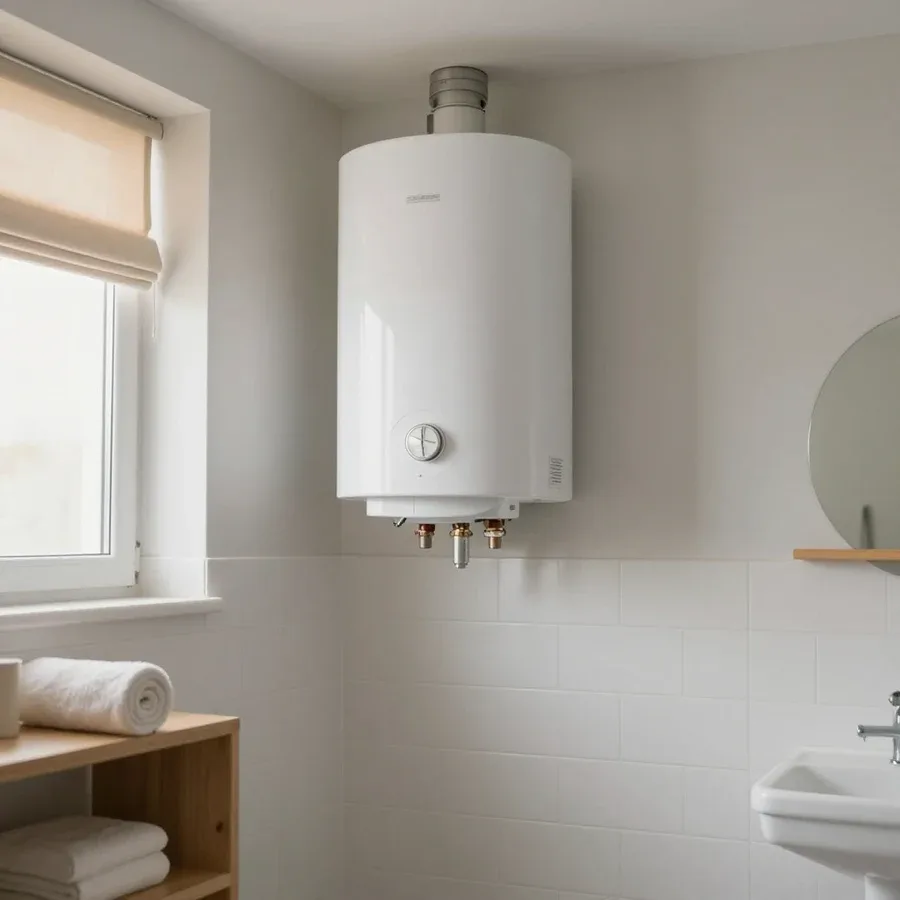 BeforeAfter

Five steps from request to checking the water heater.
Describe the symptom and your water heater model so the technician brings the right tools.
The technician brings tools and parts for the described symptom and model.
The technician runs diagnostics before any work and agrees the scope and price with you.
Work starts after you approve the scope and price.
Check the water heater, ask the technician what was tested, and get operating tips.
We reply during working hours
Book a repair at a time that suits you. The technician will confirm the details and pick the right parts. Technician arrival within 60 minutes across the city, free diagnostics, 1-year warranty.

Warranty question? Call us
+7 (778) 046 88 53 experience11 years
Dishwasher repair technician
 experience10 years
Senior washing machine technician
 experience11 years
Stove and oven repair technician
 experience11 years
Freezer repair technician
 experience16 years
Washing machine installation technician
 experience8 years
Dishwasher technician
 experience12 years
Washing machine repair technician
 experience10 years
Washing machine board repair technician
Tech Service repairs storage and tankless water heaters in Astana: our technician arrives at your home within 60 minutes, diagnostics are free, and you get a 1-year warranty on labor and parts. The technician gives you the price after diagnostics, and you can pay any way you like. We work as a direct contractor, with no middlemen.
Most requests start with a specific symptom: the water stays cold, something's leaking from the tap, or the breaker trips. Let's break down what each sign means and what to check before calling a technician.
Most often we find a failed heating element, thermostat, or temperature sensor here — the indicator light is on, but there's no heating. In a storage water heater, the tubular heating element does the heating, and the thermostat supplies power to it based on the sensor readings: a failure in any link of this chain produces the same external effect. Diagnostics start with testing the heating element's resistance with a multimeter and checking the thermostat contacts — they show where the break is. Then the technician compares the sensor readings with the actual temperature in the tank and inspects the terminals for oxidation and burning. On storage models with two heating elements, each circuit is checked separately — the top one often works while the bottom one doesn't. If the water stays cold but the indicator is lit, don't turn the dial to maximum — it won't speed up heating and may make the thermostat overheating worse.
We decode the error code for the specific model and check the corresponding component — the control board, sensor, or heating element. On electronic models, the display shows a specific combination, and the electronic module itself points to the circuit where protection tripped: for some manufacturers it's a sensor break, for others it's overheating or a board fault. Decoding with the model's service table saves time and rules out replacing working parts at random. The board contacts and ribbon connectors are checked separately: oxidation on the terminals can produce a false code even when the electronics are fully functional. Slow heating and increased electricity consumption usually point to scale on the heating element rather than an electronics failure — cleaning solves the problem more effectively than replacement.
Weak hot water pressure is more often caused by a clogged faucet aerator or scale at the outlet rather than a failure of the unit itself. The aerator on the faucet spout gets clogged with limescale and sand, and the stream loses strength even when heating works fine. The second source is deposits on the outlet pipe and in the supply tube: the passage narrows and pressure drops. It's easy to check: unscrew the aerator and compare the pressure without it. Another cause is a clogged inlet filter screen: rinsing it restores normal flow. Scale reduces heating efficiency and increases electricity consumption, so a thin layer of deposits on the heating element should be removed before it turns into a crust. If air comes out of the tap in spurts after turning on, that's air in the system — it's fixed by bleeding the system, not by taking the appliance apart.
| Symptom | Likely cause | First action |
|---|---|---|
| Not heating, indicator on | Heating element, thermostat, sensor | Don't turn the dial, call a technician |
| Leaking from the bottom | Seals, safety valve | Shut off water and power |
| Breaker trips | Heating element, cable, plug | Don't turn on until inspected |
| Weak hot water pressure | Scale, clogged aerator | Check the faucet |
| Not filling with water | Air in the system | Bleed the air as instructed |
Leaks and electrical symptoms in a water heater are the most dangerous: water near wiring causes a short circuit, and an electric shock can be life-threatening. Here's what to do before the technician arrives and what actions to avoid.
If the unit trips the breaker or you feel a shock when touching the body, don't turn it on again — the cause lies in the heating element, the cable, or the power plug. Over time, the heating element gets covered in scale and cracks, moisture reaches the coil, and the breaker trips on the first start. A damaged cable or a burnt plug gives the same effect: the contact heats up and the breaker opens the circuit. A noticeable shock when touching the body indicates insulation breakdown to the metal — this is a direct threat, and it's best not to touch the appliance with wet hands until it's inspected. Repeatedly turning it on after it trips doesn't solve the problem but increases the risk of damaging the wiring and control board. The technician starts by checking the circuit and only then removes the heating element — this way, a false part replacement is avoided.
We don't recommend disassembling the casing yourself — it risks damaging the seals, getting an electric shock, and losing the warranty. Even with the cover off, there are live wires inside: a visual inspection without turning off the power is dangerous, and a carelessly removed gasket will leak worse than before. Our technicians repair on-site at the customer's home, so there's no need to disassemble and reassemble the appliance after someone else's intervention. Our diagnostics are free, and the technician will determine what exactly failed — the heating element, thermostat, or O-ring. We provide a 1-year warranty on labor and parts, and it covers the correct reassembly of the unit. It's easier to wait for a specialist than to risk the wiring and casing.
We ask you to clear access to the appliance in advance — remove shelves, items, and take off the decorative panel if it's built into a niche or cabinet. The built-in unit doesn't need to be pulled out of the cabinet: just open the doors and leave room for tools and hands. Repairs may involve residual water in the tank, so it's better to cover the floor around with rags beforehand and move fragile items away. We send our own technician, not a subcontractor: he arrives within 60 minutes in the city and brings his tools with him. The freer the access to the appliance, the faster the diagnostics and the shorter the entire visit. Clear access saves both our time and yours — the technician doesn't spend the first minutes moving boxes.
Not every repair requires taking the appliance away: some faults are fixed on-site, while for complex components the unit is removed and repaired at the service center. Here's what we do at home and when removal is needed.
We handle complex repairs of the control board or tank body at our service center when the cause can't be fixed on-site. The electronic module needs to be disassembled and tested outside the apartment, and a tank damaged from the inside requires pressure testing and body restoration that can't be done in a living room. We remove the unit from the wall, drain the water, and transport it to our repair facility where the right tools are available. Before removal, we agree on the scope of work and explain why the unit needs to be taken away — the decision is up to the client, and they learn the cost after free diagnostics. Only a small portion of requests require removal, so first a technician arrives at your home within 60 minutes in the city and assesses whether we can do without dismantling. If removal is still needed, the repair at the service center is handled by the same technician who took the request.
| Parameter | Storage | Tankless |
|---|---|---|
| Tank | Yes | No |
| Magnesium anode | Yes | No |
| Common cause | Scale, anode, heating element | Heating element, wiring, automation |
| Repair format | More often on-site | Often on-site, less often at service center |
Diagnostics is the first step in any water heater repair. We show how a technician finds the cause of the breakdown, what makes up the cost of work, and when repair gives way to replacing the unit.
We start with free diagnostics: the technician checks the power supply, heating element, thermostat, sensors, and automation to identify the exact cause. First, he tests the circuit and inspects the terminals of the heating element, then checks the thermostat and safety switch, and compares temperature sensor readings with the actual water heating. For tankless models, he also checks the relay and control board; for storage models, the condition of the magnesium anode and seals, as well as signs of scale on the tank walls. Based on the inspection, the technician explains which component failed and why, and shows you on the unit itself. An accurate diagnosis saves money: randomly replacing parts one after another costs more than one proper diagnostic, because each unnecessary replacement means paying for a part and labor that doesn't solve the original problem.
The technician gives you the cost after free diagnostics — it depends on the cause of the breakdown, the required part, and the scope of work. If the heating element has failed, you pay for the element and its installation; if the problem is in the automation of a tankless water heater, checking the board and relay is added. Installing a magnesium anode and seals in a storage tank is a separate item, as is removing and reinstalling the unit. You can pay via Kaspi QR, Kaspi Red, card, cash or bank transfer, and we agree on parts with you before starting the repair, so the final amount doesn't change during the work. The list of work and parts is announced in advance: you decide what to do before the technician picks up a tool, and you can decline any item without pressure.
Repair makes sense when the cause is local — heating element, anode, valve or seals; if the tank is corroded, replacing the appliance is often more reasonable. A thin layer of scale and a worn anode are fixed by installing new elements, and the appliance keeps working for several more years. But if inspection reveals corrosion of the inner tank or a pinhole leak in the wall, welding gives only a temporary result: the metal around the seam is already thinned, and the leak returns within a short time. The magnesium anode protects the inner tank from corrosion, so its condition is the main argument in the "repair or replace" question: if the anode hasn't been changed for years, the walls may be damaged more than it seems from the outside. The technician will honestly say if the work is not advisable — that's part of diagnostics, not a reason to push an order.
The warranty removes the risk of paying again for a repeat breakdown. Here's what it covers and how to act if the fault comes back.
We provide a 1-year warranty on labor and parts — if the same fault appears within this period, we fix it at no extra cost. Coverage applies to the completed repair and the installed part: replaced heating element, thermostat, magnesium anode or safety valve seals. It starts from the moment the technician finishes the work and is valid regardless of location — whether the appliance was repaired in an apartment or at the service center. Coverage is tied to the specific unit, so it's important to keep track of which part was replaced: the technician records its name and the repair date upon handover. In my view, this is the main difference between a proper repair and a one-off job: you have a clear point of support if the heater stops heating water again a month later.
If the problem returns after repair, we re-diagnose the equipment under warranty and eliminate the cause. Repeat diagnostics are free, just like the initial one: the technician rechecks the unit that was replaced and related elements — heating element, thermostat, seals and safety valve. Most often the return is caused not by the part itself but by a related factor: scale on the new heater, air in the circuit, or wear of a gasket that wasn't touched during the first visit. We eliminate this root cause rather than just replacing the part a second time. Don't try to fix it yourself again — interfering with the repaired unit complicates finding the cause and blurs the warranty boundary. It's easier to describe to the technician right away when the fault appeared: after switching on, during water filling, or when heating to maximum.
Tech Service is the direct contractor: our own technician comes to you, not an intermediary, so one party is responsible for the work and the warranty. You don't have to figure out who is responsible for a repeat breakdown — the contractor or the dispatcher who took the request. Our technicians have 4 to 20 years of experience and work with storage and tankless models — this reduces the risk of a repeat visit. For warranty claims, the same team comes who knows which parts were replaced in your unit. For Almaty residents, this means a city visit takes up to 60 minutes, and diagnostics remain free during the repeat visit. In our experience, a single area of responsibility saves both effort and nerves: you don't have to retell the repair history to a new contractor.
Some water heater breakdowns can be prevented: scale, a worn-out protective rod, and a clogged valve build up unnoticed over the years. Here's what actually extends the life of your appliance and when it's time to call a technician for maintenance.
The magnesium anode protects the inner tank from corrosion and gradually wears out, so it needs to be replaced periodically. The rod takes the chemical attack on itself: as long as it's intact, rust doesn't reach the walls of the tank. Over time, the part dissolves, gets covered with a loose coating, and stops working — visually, this is only noticeable after disassembling the casing. In hard water, the rod wears out faster than in soft water, so it's worth inspecting it with every cleaning. Experienced technicians advise not to wait for alarming symptoms but to check the element at the first opening: if only a thin rod remains, don't delay installing a new one. If the anode has completely disintegrated, corrosion spreads to the tank — and replacing it is already comparable to buying a new boiler. It's easier to install a fresh rod every few years than to replace the entire tank.
We clean the tank and heating element from scale — it reduces heating efficiency and increases electricity consumption. The layer of salts on the coil acts as a thermal insulator: the heater heats itself instead of the water and stays under load longer. On the walls of the tank, the same deposit accumulates in flakes, eventually peels off, and clogs the drain pipe. Our cleaning removes the layer from the heating element and rinses the inner surface without damaging the enamel. A Tech Service technician also checks the condition of the protective rod and seals so you don't have to disassemble the casing again after the procedure. If the unit takes longer to heat water, cleaning often restores the original speed without installing new parts. If you notice the water heating noticeably slower than usual, don't postpone maintenance: an advanced layer of salts accelerates wear on the coil and leads to its burnout.
| What we check | Sign of wear | Action |
|---|---|---|
| Magnesium anode | Severe wear of the rod | Replacement |
| Heating element | Scale, slow heating | Cleaning or replacement |
| Seals | Drops, signs of leakage | Replacement |
| Safety valve | Constant discharge | Inspection and replacement |
Below is a quick summary of the entire article: how to read the symptom, what to do in the first minutes, and at what stage to bring in a technician.
Tech Service technicians repair other appliances too — with the same 1-year warranty on labour and parts.
 Refrigerator Repair in Almatyfrom 3 000 ₸
 Washing Machine Repair in Almatyfrom 3 000 ₸
 Dishwasher Repair in Almatyfrom 3 500 ₸
 Oven Repair in Almatyfrom 3 000 ₸
 Cooktop Repair in Almatyfrom 3 500 ₸
 Air Conditioner Repair in Almatyfrom 3 500 ₸
 Boiler and Water Heater Repair in Almatyfrom 2 500 ₸
 Freezer Repair in Almatyfrom 6 000 ₸
 Tumble Dryer Repair in Almatyfrom 5 000 ₸
 Coffee Machine Repair in Almatyfrom 2 500 ₸
 Robot Vacuum Cleaner Repair in Almatyfrom 3 500 ₸
 Vacuum Cleaner Repair in Almatyfrom 1 500 ₸
 Microwave Oven Repair in Almatyfrom 2 000 ₸
 Hair Dryer Repair in Almatyfrom 1 500 ₸
 Iron Repair in Almatyfrom 3 000 ₸
 Electric Kettle Repair in Almatyfrom 2 500 ₸
 Mixer Repair in Almatyfrom 2 500 ₸
 Multicooker Repair in Almatyfrom 500 ₸

Gas boiler errors are codes on the display or a flashing indicator that point to a specific component: ignition, pressure, draft, sensor, or control board.
10 February 2026 · 11 minutes read
If your dishwasher won't drain, the most common culprits are a clogged filter or drain hose; less often, it's the pump, impeller…
24 March 2026 · 12 minutes read
A washing machine can hum for many reasons, and the first thing to figure out is when the sound appears.
20 March 2026 · 12 minutes read
If your washing machine isn't filling with water, the most common culprits are a closed valve, a clogged inlet filter screen on the hose…
20 February 2026 · 13 minutes read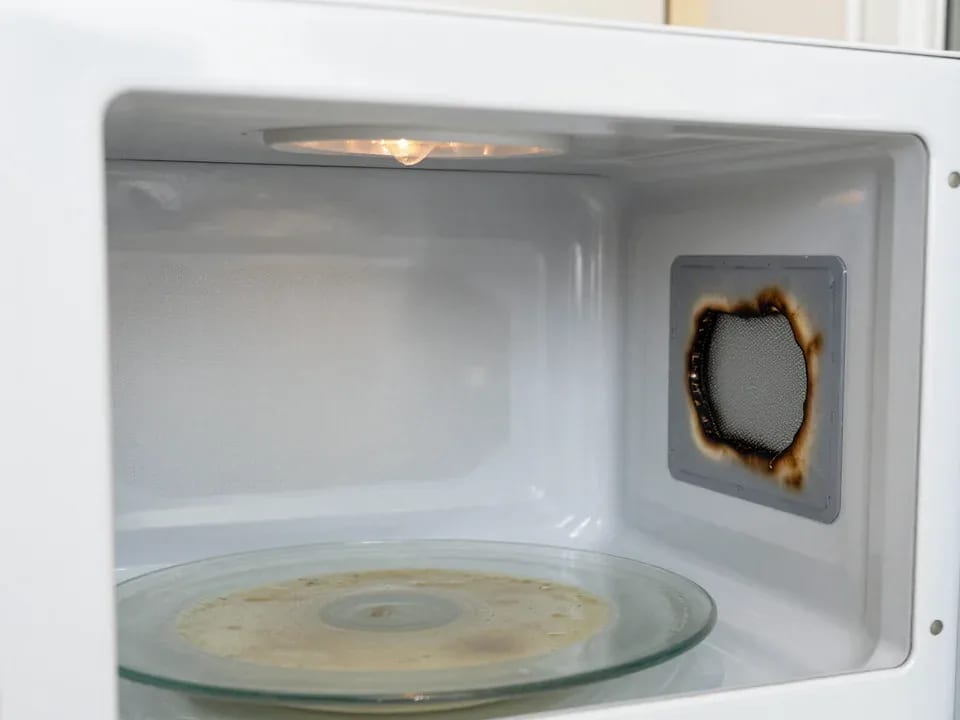
If your microwave isn't heating but the light and turntable still work, the problem is usually one of the high-voltage components — the magnetron, diode…
15 February 2026 · 12 minutes read
If your refrigerator stops working, first check the outlet, the power cord, and the thermostat setting, and after defrosting let it stand for a while.
4 February 2026 · 12 minutes read