Екатерина К.Order No. TSA-74037 · 10 October 2024
oursЗашёл узнать цену, в итоге оставил технику. Сервис оставил нормальное впечатление.
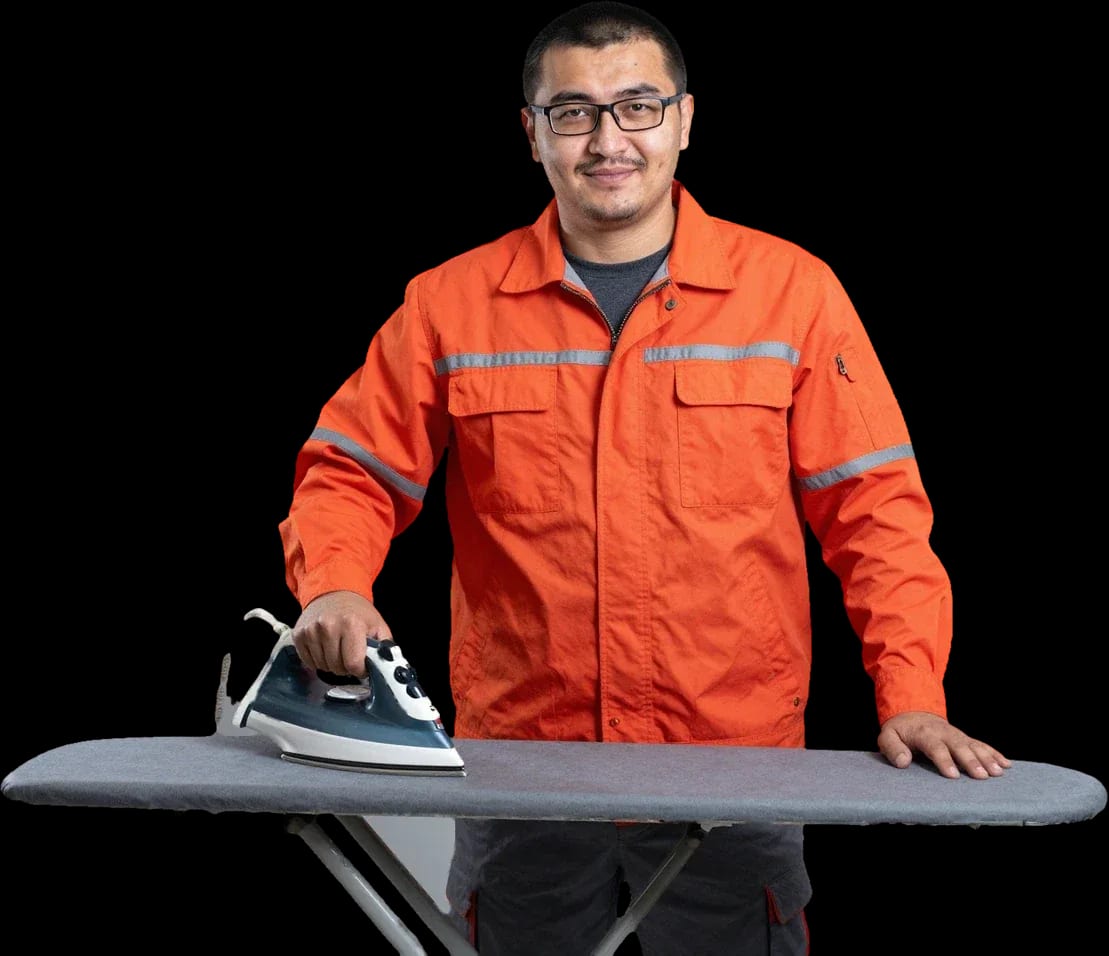
A technician arrives within 60 minutes anywhere in the city, free diagnostics. Our technicians have 4 to 20 years of experience.
Our own technicians4 to 20 years of experience




Repair prices
Steam can disappear for various reasons, from scale buildup in the channels to pump wear. Below are the typical symptoms customers bring to our service.
insulation breakdown, short circuit
from6 500 ₸
scale, valve, pump
from5 500 ₸
seals, hoses, tank
from6 500 ₸
clogged channels, faulty valve
from5 500 ₸
heating element, thermostat
from4 500 ₸
pump, valve, heating element
from5 500 ₸
wear, scale
from7 500 ₸
hose, connector, valve
from5 500 ₸
1–2 hourstime
from 4 500 ₸cost
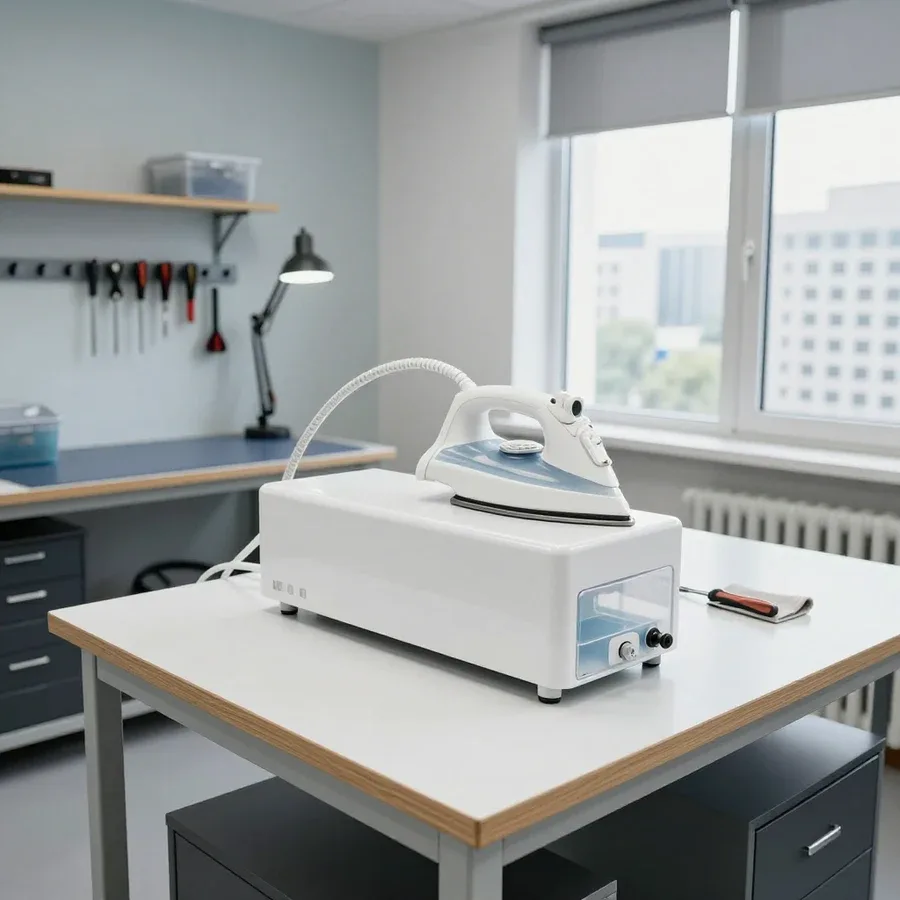 BeforeAfter
Five steps from request to checking the equipment's operation.
You describe the symptom, and the technician clarifies the model and nature of the problem.
The technician asks in advance about the brand and what exactly is happening with the steam supply.
The technician checks the unit and shows you exactly what has failed.
You confirm the scope of work, and the technician performs the repair and replaces parts.
The technician turns on the device and checks steam supply and heating.
We reply during working hours
Have the model and serial number ready, choose a convenient visit time — the technician will confirm the appointment and clarify the details.

Warranty question? Call us
+7 (778) 046 88 53 experience14 years
Senior small appliance technician
 experience15 years
On-site coffee machine diagnostics technician
 experience5 years
Coffee machine cleaning technician
 experience12 years
Coffee machine diagnostics technician
 experience5 years
Portafilter coffee machine technician
 experience12 years
Vacuum cleaner repair technician
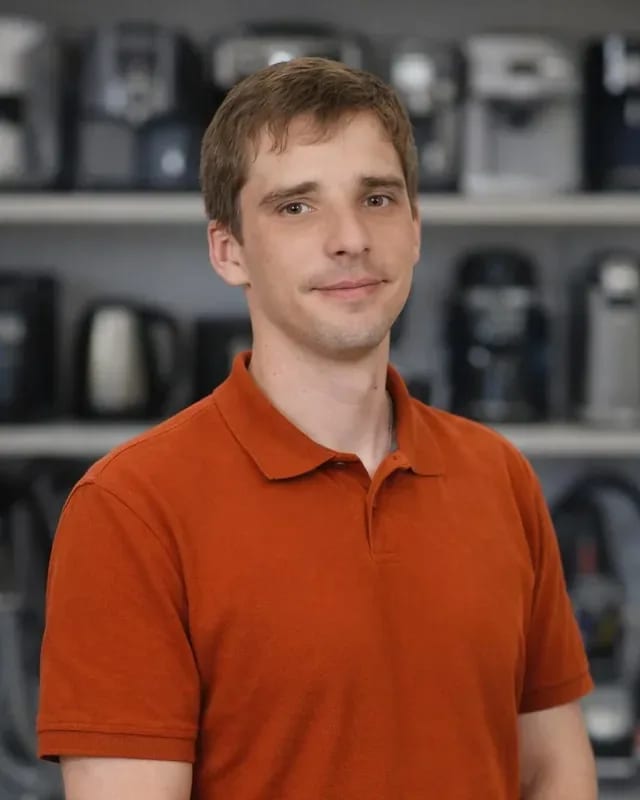 experience15 years
Vacuum cleaner repair technician
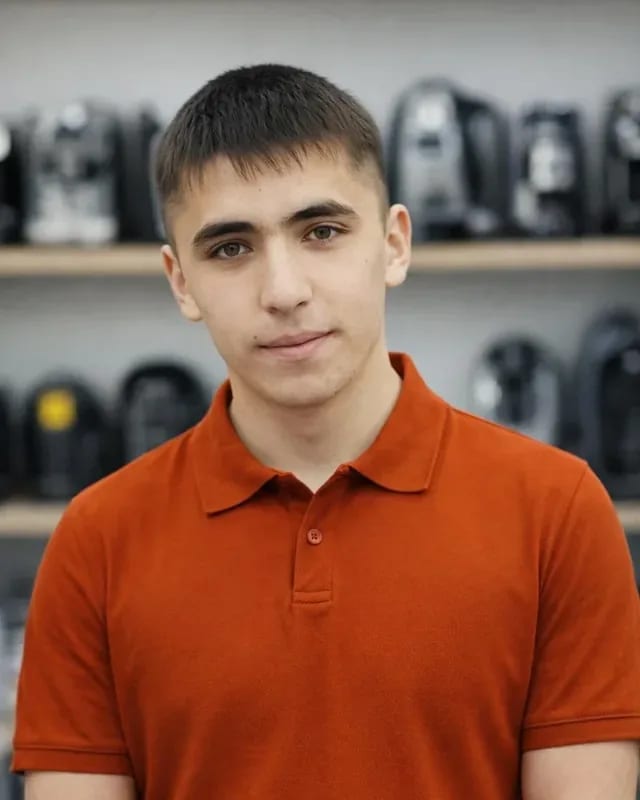 experience18 years
Washing machine repair technician
Tech Service repairs ironing systems, rollers, and steam generators in Astana as a direct provider, with no middlemen. A technician arrives at your home within 60 minutes anywhere in the city or takes the equipment in for repair at the service center. Diagnostics are free, and you get a 1-year warranty on labor and parts.
No heat and no steam is the most common reason to call a technician. Let's look at the three components we check first and how to tell scale buildup from a failed part.
Our technician first checks the steam generator's heating element and the condition of the steam chamber, because they are responsible for heating water and supplying steam. The heating element is immersed in the boiler and transfers heat to the water, which then turns into steam and goes to the iron's soleplate or into the ironing system's chamber. Scale from tap water builds up inside the boiler—Astana's water is hard, so the deposit layer grows noticeably. The steam chamber gets clogged, the heating element gets coated, and steam output drops even when the electricals are fine. If the heating element is covered in a thick layer of scale, it may be intact but heat poorly—so the technician assesses not only whether the part works but also the condition of the boiler. In case of heavy buildup, flushing the chamber and removing deposits from the element helps; when the coil has burned out, the part is replaced, and the 1-year warranty covers both labor and the new part.
When the system doesn't reach operating mode or shuts off too early, we check the thermostat and temperature sensors—they control heating and send the shutdown command. The thermostat maintains the set temperature, and the sensors send readings to the control board, which decides whether to keep heating or cut power to the heating element. Failure of one of these elements breaks the whole logic: the system either doesn't heat at all or turns on and immediately off before it can build up steam. The control board itself may be fully functional—the signal it receives is wrong. A faulty sensor often gives false readings and triggers at normal temperature, so the technician compares readings with actual heating rather than replacing the part blindly. Replacing the thermostat at random only prolongs the job, whereas measuring the temperature on the boiler immediately shows which part is sending the false command.
If the roller hums but stays still or no longer presses the fabric, the cause is usually in the drive or the pressing mechanism. Let's look at what the specialist examines and what determines the scope of work.
A hum with a stationary roller usually points to the electric motor or the drive belt, and our technician inspects both together since they work as a pair. The roller drive motor transmits rotation through the gearbox and belt drive: if the unit hums, voltage reaches the winding but torque doesn't reach the roller. The specialist removes the protective cover, assesses the elasticity of the belt, looks for stretching and cracks, measures tension and the condition of the gearbox gears. Separately, they test the winding and listen to the bearings—a dry bearing produces a characteristic squeal before seizing, and shaft play indicates wear of the seat. Slipping or a stretched belt means the motor is fine but rotation isn't transmitted: replacing one part solves the problem without replacing the motor, so we always start with the belt.
When the roller spins but doesn't press the laundry, we inspect the rollers and the pressure mechanism — the quality of ironing depends on their condition. The roller may be worn unevenly: the gap is larger on one side, and the fabric passes without pressure. The pressure unit consists of springs, levers, and adjustment screws that set the force; over time, the springs sag and the screws shift due to vibration. The technician measures the gap along the entire length of the roller, assesses the movement of the levers and the elasticity of the springs, and checks for axle misalignment and play in the roller bearings. Weak pressure doesn't always mean a broken part: sometimes adjusting the mechanism is enough, and the technician first evaluates the adjustment and then suggests replacement. If adjustment doesn't restore the required force, he checks the wear of the springs and the condition of the levers to replace only the worn unit.
| Malfunction | Where we repair | What we check |
|---|---|---|
| Drive belt | On-site | Tension and wear |
| Pressure adjustment | On-site | Position of the rollers |
| Electric motor | In the service center | Winding and bearings |
| Roller gearbox | In the service center | Gear wear |
Leaks and spontaneous shutdowns are signals you shouldn't ignore: a puddle on the floor and sudden stops point to specific components. Let's look at which parts are responsible and what the technician does.
If water leaks onto the floor during operation, our technician checks the water supply pump and the valves with seals — most often they are the cause. The pump forces liquid into the steam generator under pressure, and the valves with rubber seals keep it inside the circuit and prevent it from escaping. Over time, the rubber loses elasticity due to constant heating and contact with scale, microcracks appear on its edges, and moisture seeps through threaded connections and fittings. The technician disassembles the supply unit, inspects the O-rings, checks the pump housing for cracks and the integrity of the diaphragm, and also assesses the condition of the check valve, which, when worn, starts letting water flow back. A worn seal lets water through gradually, so a small leak gets worse over time; early contact allows you to get by with replacing the seal before the flow erodes the seats and reaches the electrical components.
We associate spontaneous shutdowns with the thermostat, sensors, or the control board protection that triggers when a component fails. The thermostat monitors the temperature of the working surface, the sensors transmit readings to the board, and if a parameter goes beyond acceptable limits, the board cuts power to the heater to prevent overheating. If the appliance turns on and immediately goes off, the technician measures the resistance of the sensors, checks the thermostat contacts, and reads the error code from the panel — this narrows down the suspect components to a specific circuit. Separately, he inspects the wiring and connectors: an oxidized contact causes an intermittent fault where the system either works or dies for no apparent reason, and after cooling down it starts again. If the device turns off due to protection, turning it back on doesn't eliminate the cause — the technician looks for the component that triggered the protection rather than just resetting the error.
Our mobile technician reaches customers within 60 minutes anywhere in the city, so you can show a leak to a specialist on the day you call. Diagnostics are free: they inspect the water supply unit, check the valves and seals on site, and identify the cause of the leak. They also handle spontaneous shutdowns — reading the error code and testing the sensors and thermostat to find out what is triggering the board's protection. The service covers the whole city, so you can show a leak to a specialist anywhere in Astana. It's important not to delay: the sooner the unit is inspected, the better the chance that the issue is just a seal rather than damaged parts that have already been exposed to water. We provide a 1-year warranty on labor and parts.
A code on the panel and scale in the boiler are two common reasons for calling us. Let's look at how a specialist reads the error and when cleaning is enough versus when a component needs replacing.
An error code on the panel points to a specific component that the control board considers faulty, and our technician decodes it based on the appliance model. The board reads signals from the temperature, water level, and roller position sensors, and when a parameter goes out of range, it displays a combination on the screen. For steam generators with electronic controls, the designations vary by series: on one model E01 means the heating element is overheating, while on another the same combination indicates a water level sensor failure. That's why a specialist checks the error against the documentation for that specific system rather than interpreting it universally. In my opinion, this is where owners most often go wrong: decoding from the internet for a different model leads them away from the real cause. Moreover, the same combination on different machines leads to different diagnoses and different sets of parts to replace.
Scale itself is not a breakdown, but a thick layer on the heating element and in the boiler reduces heating and steam output, making the system work worse. Hardness salts settle on the heating element as a crust, heat transfers to the water less efficiently, the element overheats and gradually loses power. The signs are familiar: steam is weaker, the roller takes longer to heat up, and damp streaks remain on laundry. Regularly draining the water after use and descaling prolongs the life of the heating element. If the layer has already hardened, our technician assesses whether cleaning is enough or the part needs replacing — removing advanced buildup mechanically is risky and can damage the element's surface. In our experience, it's often cheaper to do maintenance on time than to replace a burned-out heating element after overheating.
Not every ironing system needs to be taken to the workshop: some faults are fixed right at the customer's home. Let's look at what is done on site, what is taken to the service center, and how this affects convenience.
At your home, our technician performs diagnostics and the work that doesn't require deep disassembly — checking the power supply, sensors, water supply pump, and adjusting the fabric pressure. The inspection is free, and the visit takes up to 60 minutes anywhere in the city, so the check begins without transporting the equipment. The pump and water supply valves are inspected on site: the cause is usually a clog or worn seal, and the unit is serviced without removing the housing. The fabric pressure is adjusted based on the rollers — a loose movement is fixed by tightening the mechanism, and misalignment is eliminated by setting the supports. Temperature sensors are compared with the panel readings: a difference of a few degrees already explains why the system doesn't reach operating mode. The client sees the whole process and immediately gets an explanation of the cause of the breakdown, and the ironing system stays in the apartment as long as possible. This format saves time: no need to wait for transportation and return delivery of the device, and the specialist answers questions during the inspection.
We take equipment to the service center when the motor, gearbox, or control board needs replacement or work — these components require disassembly and on-site testing. The roller drive motor is removed together with the mount, and the gearbox is opened to assess the condition of the gears: such an operation is not performed at home due to the scope of work. The control board is checked in the workshop — otherwise it's impossible to detect a short circuit in the heating circuit, and without this you can't tell whether the module is working or needs replacement. The specialist says in advance which components will be checked in the workshop so the client understands why the ironing system can't be repaired at their place. There is a 1-year warranty on labor and parts, and it applies to both formats — on-site and in-house. Before sending, the equipment is inspected to avoid disputes upon return. The scope of work is clarified by the technician after disassembly, when the list of faults is clear.
| Work | At home | At the service center |
|---|---|---|
| Diagnostics | Yes | Yes |
| Sensor check | Yes | Yes |
| Seal replacement | Yes | Yes |
| Pressure adjustment | Yes | Yes |
| Motor replacement | No | Yes |
| Gearbox repair | No | Yes |
| Control board repair | No | Yes |
It's important for the client to understand what steps the service consists of and what they get as a result. Let's go through the chain from request to equipment check and the warranty terms for labor and parts.
We give a 1-year warranty on labor and parts, so the client is protected if the same unit has a problem again after service. The warranty covers both the part itself and the quality of its installation: if you come back, you don't need to prove that the cause is the work performed. Parts replacements are recorded at the time of work, so during a follow-up it's clear which unit was replaced and when. We repair ironing systems in Astana with the same approach to warranty, so the result of the work remains protected after the technician's visit. In my view, this is the main difference from one-time service without obligations — when the specialist has left and the issue remains open. Practice shows: most repeat breakdowns appear in the first weeks, and the one-year term covers this period with a margin. If the equipment stops heating or producing steam again, we check the same unit again under warranty.
Our technicians have from 4 to 20 years of experience, and you can pay for the work in any convenient way — via Kaspi QR, Kaspi Red, bank card, cash, or bank transfer for companies. A mobile specialist arrives at your home anywhere in the city within 60 minutes and works with ironing systems of various designs: with a steam generator, roller press and pressing plate. Experience matters here: the technician can faster tell scale from a failed part, so diagnostics less often end in an unnecessary unit replacement. The technician quotes the price after free diagnostics — before work begins, and the client decides whether to proceed. In Astana, we arrange visits within working hours, and perform the work on-site or at the service center — depending on the unit.
An ironing system breaks down in several typical scenarios, and each leaves a clear trace: a cold roller, a hum during rotation, a puddle under the body or a code on the panel. Analyzing the symptoms helps you understand the seriousness of the breakdown in advance.
Tech Service technicians repair other appliances too — with the same 1-year warranty on labour and parts.
 Refrigerator Repair in Almatyfrom 3 000 ₸
 Washing Machine Repair in Almatyfrom 3 000 ₸
 Dishwasher Repair in Almatyfrom 3 500 ₸
 Oven Repair in Almatyfrom 3 000 ₸
 Cooktop Repair in Almatyfrom 3 500 ₸
 Air Conditioner Repair in Almatyfrom 3 500 ₸
 Boiler and Water Heater Repair in Almatyfrom 2 500 ₸
 Freezer Repair in Almatyfrom 6 000 ₸
 Tumble Dryer Repair in Almatyfrom 5 000 ₸
 Coffee Machine Repair in Almatyfrom 2 500 ₸
 Robot Vacuum Cleaner Repair in Almatyfrom 3 500 ₸
 Vacuum Cleaner Repair in Almatyfrom 1 500 ₸
 Microwave Oven Repair in Almatyfrom 2 000 ₸
 Hair Dryer Repair in Almatyfrom 1 500 ₸
 Iron Repair in Almatyfrom 3 000 ₸
 Electric Kettle Repair in Almatyfrom 2 500 ₸
 Mixer Repair in Almatyfrom 2 500 ₸
 Multicooker Repair in Almatyfrom 500 ₸

If your dishwasher won't drain, the most common culprits are a clogged filter or drain hose; less often, it's the pump, impeller…
24 March 2026 · 12 minutes read
A washing machine can hum for many reasons, and the first thing to figure out is when the sound appears.
20 March 2026 · 12 minutes read
The easiest way to remove scale from a kettle is with citric acid: 1–2 tablespoons per liter of water, boil for 5–10 minutes, then drain and rinse.
17 March 2026 · 13 minutes read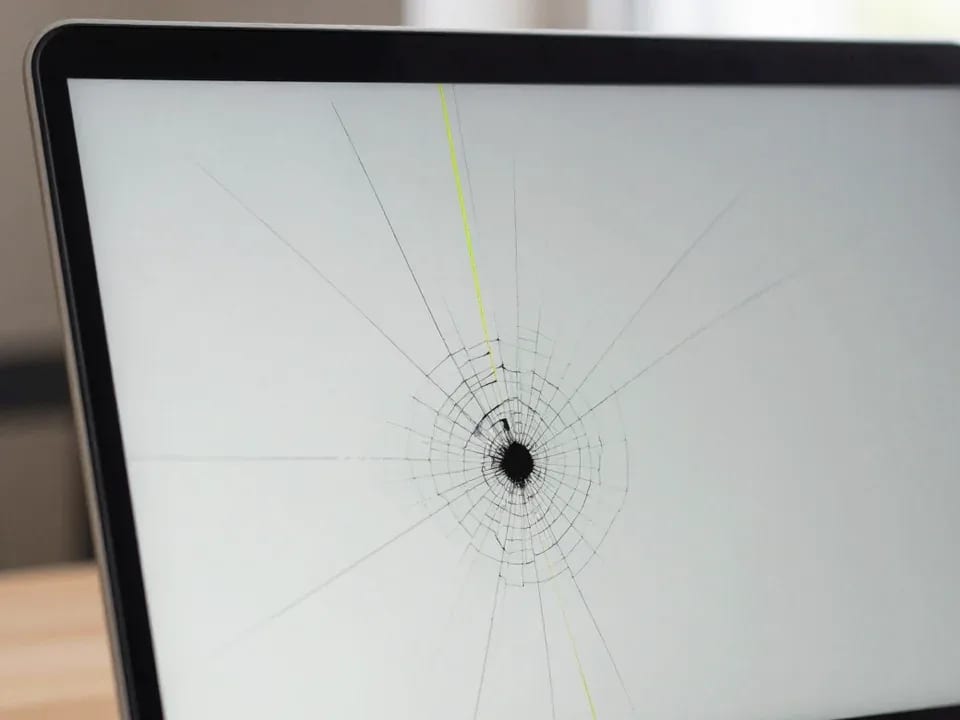
If your laptop screen is broken, turn the device off first, don't press on the display, and check the picture through an external monitor.
12 March 2026 · 11 minutes read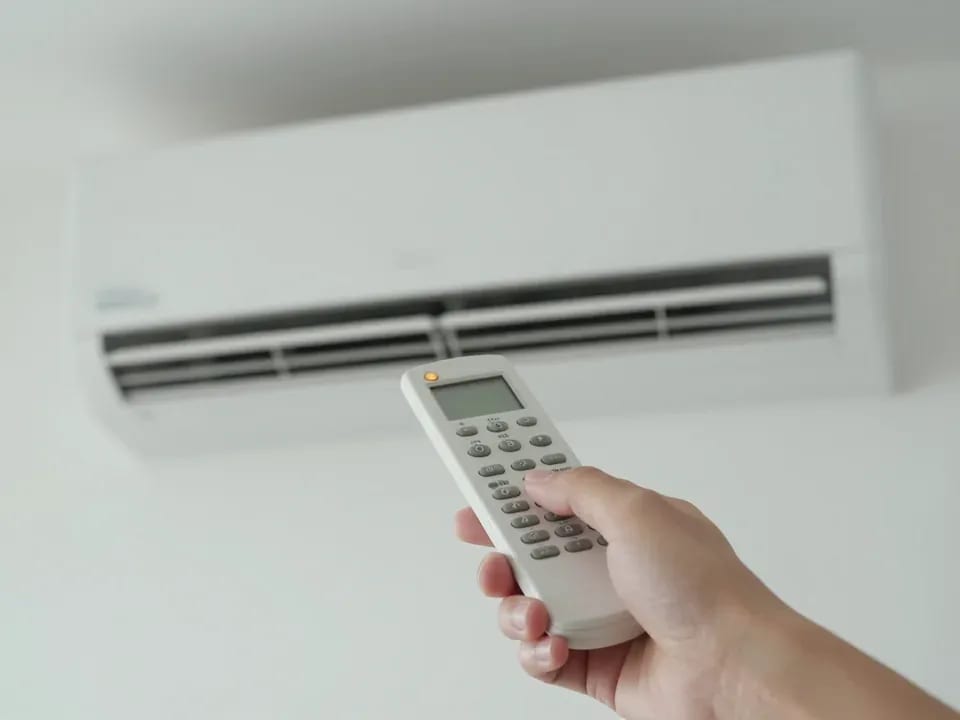
Air conditioner errors are codes on the display or flashing indicators that show which component has failed.
5 March 2026 · 12 minutes read
If your washing machine isn't filling with water, the most common culprits are a closed valve, a clogged inlet filter screen on the hose…
20 February 2026 · 13 minutes read