Ульяна Ч.Order No. AST-2605-760 · 15 June 2026
oursИскал сервис, где дают гарантию и чек. Офис на Кабанбай батыра, технику туда и повёз. Позвонили, когда можно забирать. Рекомендую, без пафоса.
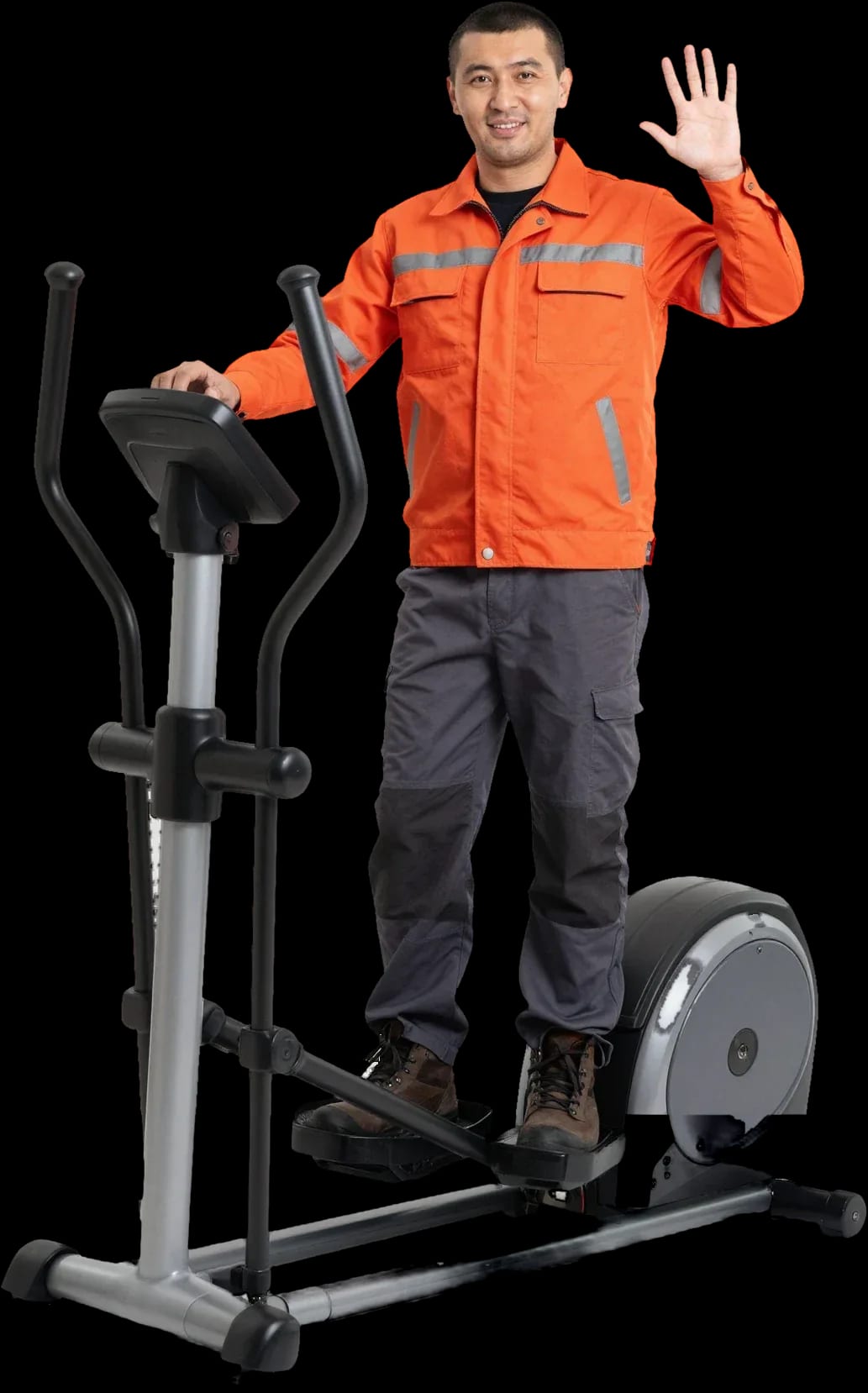
A technician arrives within 60 minutes anywhere in the city. Diagnostics are free.
Our own technicians4 to 20 years of experience




Repair prices
Most often the cause is worn mechanics and loose fasteners. The technician identifies the exact cause after a free diagnostic.
Loose fasteners, worn bearings
from4 000 ₸
Worn joints, axle, fasteners
from6 000 ₸
Power supply, wiring, circuit board
from5 500 ₸
Lever misalignment, bearing failure
from4 000 ₸
Broken wire, dirty contacts
from4 500 ₸
Worn joints, axle, fasteners
from6 000 ₸
Stretched belt, worn tensioner
from5 000 ₸
Worn joints, axle, fasteners
from5 500 ₸
1–2 hourstime
from 5 000 ₸cost
 BeforeAfter

Five steps from request to checking the machine's operation.
You describe the symptom and the machine model, and the technician clarifies the details.
The technician comes anywhere in the city to inspect the machine on site.
The technician shows and explains what will be disassembled and which parts are needed.
You approve the work and parts, and the technician performs the repair.
The technician cleans the work area and removes the parts packaging after the repair.
We reply during working hours
Provide the machine model, symptom, and address, and choose a convenient visit window. The technician will clarify the details and bring the necessary tools.

Warranty question? Call us
+7 (778) 046 88 53 experience14 years
Senior small appliance technician
 experience15 years
On-site coffee machine diagnostics technician
 experience5 years
Coffee machine cleaning technician
 experience12 years
Coffee machine diagnostics technician
 experience5 years
Portafilter coffee machine technician
 experience12 years
Vacuum cleaner repair technician
 experience15 years
Vacuum cleaner repair technician
 experience18 years
Washing machine repair technician
Tech Service repairs elliptical trainers in Astana as a direct contractor with its own technicians. A technician arrives at your home within 60 minutes anywhere in the city, performs free diagnostics, and gives you the price after inspection. We provide a 1-year warranty on labor and parts and you can pay via Kaspi QR, Kaspi Red (instalments), bank card, cash, or bank transfer for companies.
The owner presses the button, but the console stays dark — this is the most common reason for calling. Let's look at which components a specialist checks when turning it on, how to read an error code, and when a component needs repair versus replacement.
Our specialist first checks the power circuit — the power supply, cables, and connectors — and then the controller, because these are responsible for startup. The power source supplies voltage to the electronics and display: if the output values are incorrect, the console won't light up even though the mechanics are fine. The connecting wires and connectors are inspected for oxidation and breaks — after moving the trainer, contact often fails right there. The controller itself is checked for bulging capacitors and signs of overheating, and the speed sensor is checked for response when pedals are turned. Separately, the start button and fuse are tested: they fail more quietly than other components and are rarely noticeable during a visual inspection. If the trainer was kept in a damp room or there was a power surge, the power supply is more often to blame than the electronics — replacing one component is simpler than repairing the entire circuit. Such an elliptical requires repair only after precise diagnostics, when the technician has determined which component is not responding.
An error code on the console is a hint from the controller about which component is not responding, but the interpretation depends on the model and cannot be taken as definitive without diagnostics. The electronic module controls the electromagnetic ellipse: it reads the signal from the speed sensor, adjusts resistance, and outputs service codes on failure. The same number on different models may indicate a communication failure with the sensor, a voltage drop, or a calibration error — so a part is not ordered based on the code alone. The specialist cross-references the number with the specific model's table and tests the circuit with a multimeter. You shouldn't clear the error by rebooting and continue training — this can cause the sensor or electronics to fail completely, making the repair more expensive.
We first try to restore the controller, and only if the damage is irreversible do we offer to replace the component — this way the owner decides what is more cost-effective. Soldering traces, replacing capacitors and relays bring the module back to life when a single element has burned out rather than the entire circuit. If the electronics burned out together with the power supply, replacing only the electronics is pointless — the new component will fail for the same reason, so we check the entire circuit. Worn parts — rollers, bearings, belt — are replaced individually instead of persuading you to buy a new trainer. We provide a 1-year warranty on labor and parts and perform diagnostics for free: the specialist gives you the price after inspection when the cause is clear — the repair is on-site, and our technician arrives within 60 minutes anywhere in the city.
The pedals turn, but resistance stays the same — this is the second most frequent complaint about such trainers. Let's look at how resistance changes, which components break in the process, and when a component is repaired versus replaced.
In a magnetic trainer, resistance is created by permanent magnets that move closer to or farther from the flywheel, driven by a servo motor on command from the control board. The smaller the gap between the magnets and the flywheel, the stronger the eddy currents brake the pedal rotation. The servo motor — a small electric motor with a gearbox — receives a command from the control board to "increase" or "decrease" and moves the carriage with magnets along the guides. In expensive models, a separate sensor tracks the carriage position; in simpler ones, the board counts servo steps from the extreme position. The mechanics of the unit are simple, so usually one link fails: the carriage jams on the guides, the drive cable stretches, or the servo winding burns out. The closer the magnets to the flywheel, the higher the resistance — so "lost" resistance often means the unit is stuck in one position rather than completely broken.
A common cause of "no resistance" we see is the pedal rotation sensor, which stops sending a signal to the board, and the trainer simply doesn't know the pedals are turning. Inside the sensor there is a reed switch or an optocoupler that reads a mark on the pulley; over time, the contact oxidizes, the magnet weakens, or the wire at the connector frays. The control board remains functional and moves the magnetic system, but without a speed signal it doesn't change the carriage position — resistance stays at minimum. We test the sensor with a multimeter and oscilloscope right at your home, so you don't have to bring the trainer to the service center for nothing. If resistance doesn't fully return after replacing the sensor, we check the calibration — the board must relearn the extreme positions of the magnetic system, otherwise the extreme resistance levels will remain unavailable.
We repair the magnetic system if the problem is in the servo motor or drive mechanics, and replace the unit when the magnets or guides themselves are damaged. We replace the servo motor, cable, carriage, and connectors separately — these are the running parts that wear out first. Magnets lose strength when overheated or mechanically struck, guides chip from dry friction without lubrication, and then the unit is replaced as a whole. Our diagnostics are free, a technician arrives within 60 minutes anywhere in the city, and we provide a 1-year warranty on labor and parts. The servo motor is replaced separately from the magnetic system — they are different units, and confusing them during diagnostics means overpaying for an extra part that doesn't need replacing if the drive is working.
Unusual noises and play almost always indicate mechanical wear of components. Below we explain which symptom points to what and what the technician checks first.
| Symptom | Likely cause | What the technician checks |
|---|---|---|
| Squeaking when pedaling | Worn bearings or loose fasteners | Bearings, crank arms, tightened connections |
| Pedal play | Worn crank arms or mounting seats | Pedals, crank arms, mounts |
| Humming and vibration | Worn flywheel bearings | Flywheel, bearings, belt |
| Jerking during rotation | Stretched or slipping belt | Drive belt, pulley |
| Knocking in handles | Play in handlebar connections | Handles, handlebars, fasteners |
Our technician tells these faults apart by how the machine spins: a stretched belt causes jerking and slipping, while a worn flywheel hums and vibrates steadily. The drive belt transfers rotation from the pedals to the flywheel through the pulley, and as it stretches it slips on the teeth: the pedals move with dropouts, and the frequency may flash on the display. The flywheel is a heavy inertial assembly on bearings, and its wear shows up as a low hum that gets louder as speed increases and travels into the frame and handlebars. The check is simple: spin the pedals by hand and listen to where the sound comes from — with the belt it's intermittent, with the flywheel it's steady. The belt is replaced as a wear item, while the flywheel is more often repaired or balanced — if the technician immediately suggests replacing the flywheel, it's worth asking whether the belt has been checked.
We lubricate moving parts during service, but if the squeak comes back within a week, the wear is already mechanical and the assembly needs replacing. Lubricating moving parts removes dry friction in the handlebar joints, bushings, and pedal axles — that's appropriate when the sound appeared recently and there's no play yet. Worn assemblies behave differently: bearings start crunching under load, crank arms rock in their seats, and the squeak comes with noticeable side-to-side pedal movement. In our experience, a squeak heard on every revolution that doesn't go away after lubrication almost always points to a bearing or a worn seat. Lubrication doesn't fix play — it only softens the sound, so when there's noticeable play the technician checks the seats first instead of applying more lubricant.
Owners want to know whether a technician will come to them or whether they'll have to bring the machine in themselves. Here's how a home visit works, what gets checked on site, and when an elliptical is taken to the workshop.
Our technician arrives at your home within 60 minutes anywhere in the city and checks the electrical and mechanical parts on site, and diagnostics are free. First he opens the casing and inspects the control board, connectors, wiring, and sensors — looking for signs of overheating, corrosion, and breaks. Then he checks the mechanics: the condition of the belt, shaft bearings, flywheel mounts, and pedal assemblies, and play in the moving joints. Separately, he tests the magnetic resistance system — how it handles load changes at different levels. Based on the inspection, the owner gets a clear cause of the fault and a list of assemblies that need attention. Home diagnostics reveal more than a workshop inspection because the technician sees how the machine stands and works in its usual conditions — some play and vibration only show up under load.
We repair these machines both at home and in the workshop — most faults are fixed on site, and we take an assembly to the workshop if complex soldering or work with removed equipment is needed. On-site work includes replacing the belt and bearings, cleaning and lubricating the mechanism, adjusting tension, replacing sensors and connectors, and fixing play in the fasteners. The control board goes to the workshop when traces need soldering or chips need replacing, as do the flywheel and shaft when the seats are worn. The technician decides after diagnostics, not the owner in advance — trying to remove an assembly yourself often damages the mounts and makes the repair more expensive. The on-site technician tells you right away which jobs can be done on site and which need workshop conditions.
Timelines depend on the fault and part availability, so the technician gives them after diagnostics, not over the phone — that way the estimate matches reality. On the visit he shows you the worn parts and explains what will be replaced and what can be restored. The technician gives the price after free diagnostics — quoting a sum before that would be premature. The on-site inspection doesn't take long, but it's what shows which assemblies really need attention and which still have life left. If a part is needed for the repair, the technician discusses it with the owner on site so they understand the next steps. The 1-year warranty covers both labor and parts. We accept Kaspi QR, Kaspi Red, card, cash or transfer — whatever is convenient for the owner.
After the price, the owner of an elliptical usually asks about the warranty. Let's break down what our one-year warranty covers, how it differs from the manufacturer's warranty, and why the technician's experience is also part of the promise.
We provide a 1-year warranty on labor and parts — if the unit fails again due to our fault after the repair, we'll fix it under warranty. The promise covers both the part itself and how the technician installed it: a repeat failure caused by us doesn't become a new breakdown for the owner. Worn components we replaced are also covered for this period — bearings, belts, rollers. A warranty on the part separately from the labor matters because a new part can be defective — then it's replaced, not blamed on the owner. In my view, it's this combination of 'part plus labor' that addresses the main fear — paying again after the technician's visit.
If the machine is still under the manufacturer's warranty and the store won't help, you can pay for the repair yourself with a direct contractor — the store's warranty doesn't affect that. The store that sold the machine often blames improper use or delays its response, while the owner is left without their elliptical. A direct contractor comes to your home or repairs in the workshop and deals with the specific fault without waiting for the seller's decision. Before contacting a technician, keep the receipt and warranty card — they confirm that the breakdown wasn't caused by tampering. Experience shows that fixing the problem directly is faster than exchanging messages with the store. A technician arrives at your home within 60 minutes anywhere in the city, diagnostics are free, and the price is quoted after inspection — so the owner knows the scope of work in advance and doesn't pay for correspondence with the seller.
Our technicians have 4 to 20 years of experience, and that directly affects whether a fault is fixed on the first visit rather than coming back. A mobile technician comes to the client anywhere in the city and deals with the fault on site, without shifting diagnostics onto the owner. An experienced technician can tell bearing wear from mounting play by how the unit behaves — saving the owner an extra disassembly and replacement. That precision is directly tied to the warranty: the more accurately the cause is identified, the less often the unit comes back with the same problem. For the owner, this means the one-year warranty isn't a formality on paper but a period during which we stand behind the result of our work.
The city market has service companies, private technicians, and request aggregators. Let's look at how these options differ in responsibility for the work, and what the owner can do themselves to call a specialist less often.
Tech Service is a direct contractor with its own technicians, not an aggregator or intermediary, so the same company that sent the technician to your home is responsible for the work. Our specialist arrives anywhere in the city within 60 minutes, diagnostics are free, and the one-year warranty covers both labor and parts. With a private technician outside a service company, the scope of responsibility is limited to their personal agreement: if they stop answering calls, there's effectively no one to make a claim to about the installed part. With an aggregator, a dispatcher who distributes requests stands between the elliptical owner and the contractor, and getting a warranty on a part is harder — communication goes through the platform, not directly with the person who did the repair. With a direct contractor, you make a claim to one company that handled the order from the visit to handing over the machine. Before calling, ask who exactly will come and who provides the warranty — that eliminates half the disputes before work even starts.
We repair ellipticals from various brands, including Torneo and Kettler, because their magnetic resistance systems and mechanics work on the same principle. In most models, the magnetic resistance system relies on magnets moving relative to the flywheel, while the pedals and crank arms transfer force through bearings and a belt—components that wear out first. Our technicians have worked with this design for 4 to 20 years, so they can often tell from a symptom description which part has failed. Some models use non-standard parts, and the technician needs to know the specific design—so when you call, mention the model so they bring the right tools. The model is printed on the frame or shown on the display; take a photo of the nameplate if you don't want to hunt for the marking under load.
Lubricate moving parts according to the manufacturer's recommendations, and more often if you train intensely or the room air is dry. Pedal bearings, the crank axle, and guide rollers take the main load, and dried lubricant turns into an abrasive that speeds up wear. Preventive maintenance includes checking for play, belt tension, and magnet condition—these parts wear gradually, and early intervention costs less than replacement. Excess lubricant collects dust and itself causes squeaking, so apply it in a thin layer and wipe off the excess rather than flooding the part. Make it a habit to wipe down the frame and pedals after a workout: sweat and dust on metal speed up corrosion of the fasteners. If squeaking persists after lubrication, look deeper—at the bearings or the belt.
Diagnosing elliptical failures comes down to a few solid takeaways: they help you plan your actions when something goes wrong and avoid paying for unnecessary work that doesn't address the cause.
Tech Service technicians repair other appliances too — with the same 1-year warranty on labour and parts.
 Refrigerator Repair in Almatyfrom 3 000 ₸
 Washing Machine Repair in Almatyfrom 3 000 ₸
 Dishwasher Repair in Almatyfrom 3 500 ₸
 Oven Repair in Almatyfrom 3 000 ₸
 Cooktop Repair in Almatyfrom 3 500 ₸
 Air Conditioner Repair in Almatyfrom 3 500 ₸
 Boiler and Water Heater Repair in Almatyfrom 2 500 ₸
 Freezer Repair in Almatyfrom 6 000 ₸
 Tumble Dryer Repair in Almatyfrom 5 000 ₸
 Coffee Machine Repair in Almatyfrom 2 500 ₸
 Robot Vacuum Cleaner Repair in Almatyfrom 3 500 ₸
 Vacuum Cleaner Repair in Almatyfrom 1 500 ₸
 Microwave Oven Repair in Almatyfrom 2 000 ₸
 Hair Dryer Repair in Almatyfrom 1 500 ₸
 Iron Repair in Almatyfrom 3 000 ₸
 Electric Kettle Repair in Almatyfrom 2 500 ₸
 Mixer Repair in Almatyfrom 2 500 ₸
 Multicooker Repair in Almatyfrom 500 ₸

If your dishwasher won't drain, the most common culprits are a clogged filter or drain hose; less often, it's the pump, impeller…
24 March 2026 · 12 minutes read
A washing machine can hum for many reasons, and the first thing to figure out is when the sound appears.
20 March 2026 · 12 minutes read
The easiest way to remove scale from a kettle is with citric acid: 1–2 tablespoons per liter of water, boil for 5–10 minutes, then drain and rinse.
17 March 2026 · 13 minutes read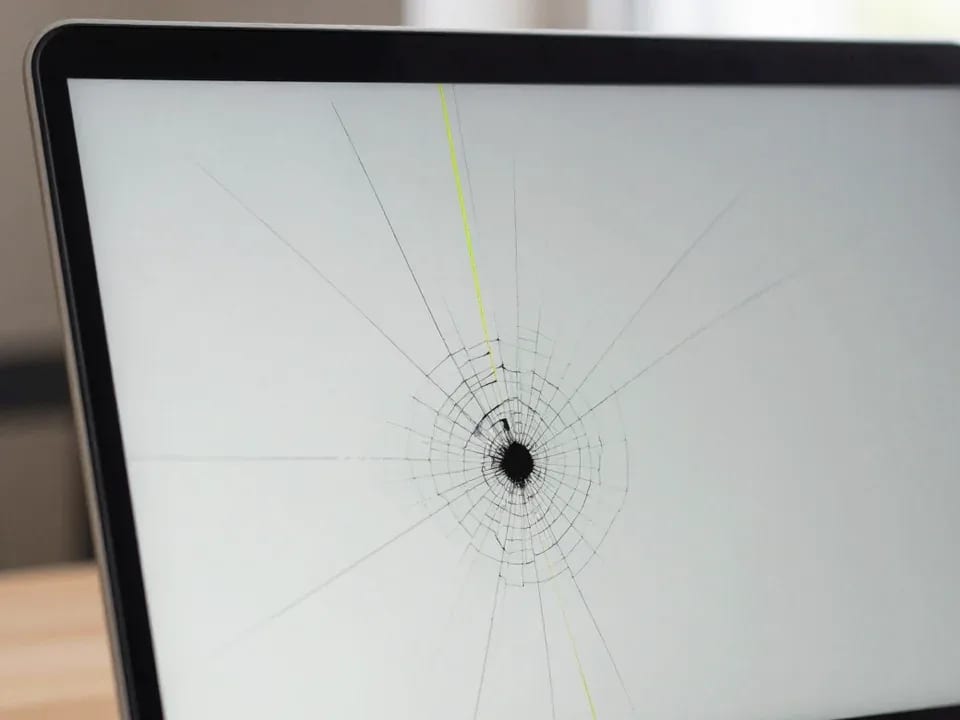
If your laptop screen is broken, turn the device off first, don't press on the display, and check the picture through an external monitor.
12 March 2026 · 11 minutes read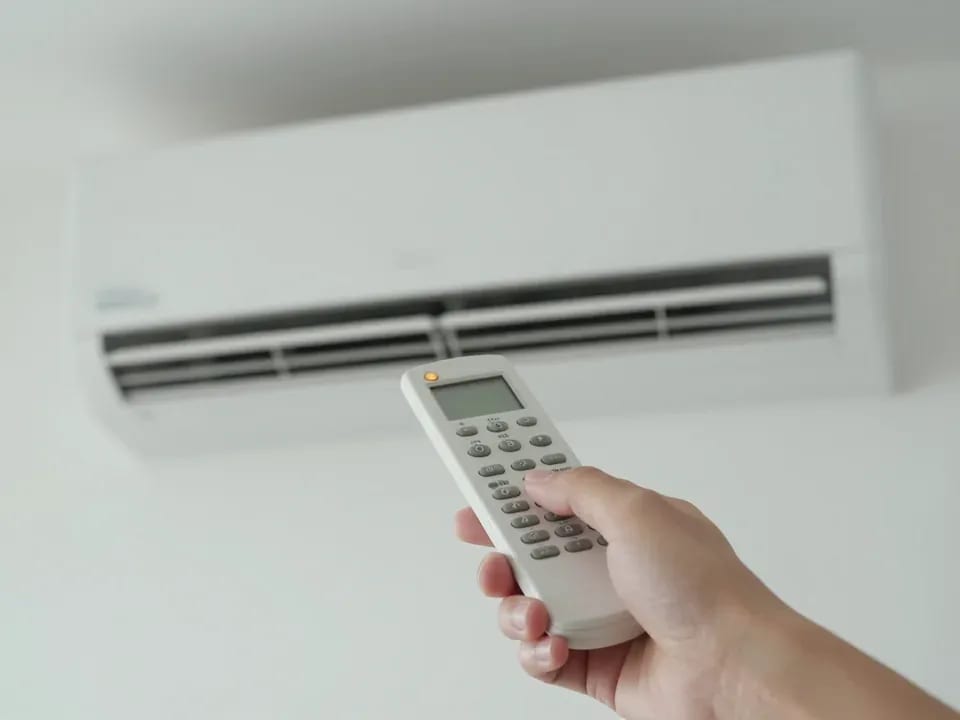
Air conditioner errors are codes on the display or flashing indicators that show which component has failed.
5 March 2026 · 12 minutes read
If your washing machine isn't filling with water, the most common culprits are a closed valve, a clogged inlet filter screen on the hose…
20 February 2026 · 13 minutes read