Виолетта Д.Order No. AS-7134 · 20 October 2026
oursHeater Repair in
Дамир М всё сделал при мне, за пятнадцать минут. Сравнивал — здесь дешевле. Работает, даже лучше прежнего.
Repair: heater repair in
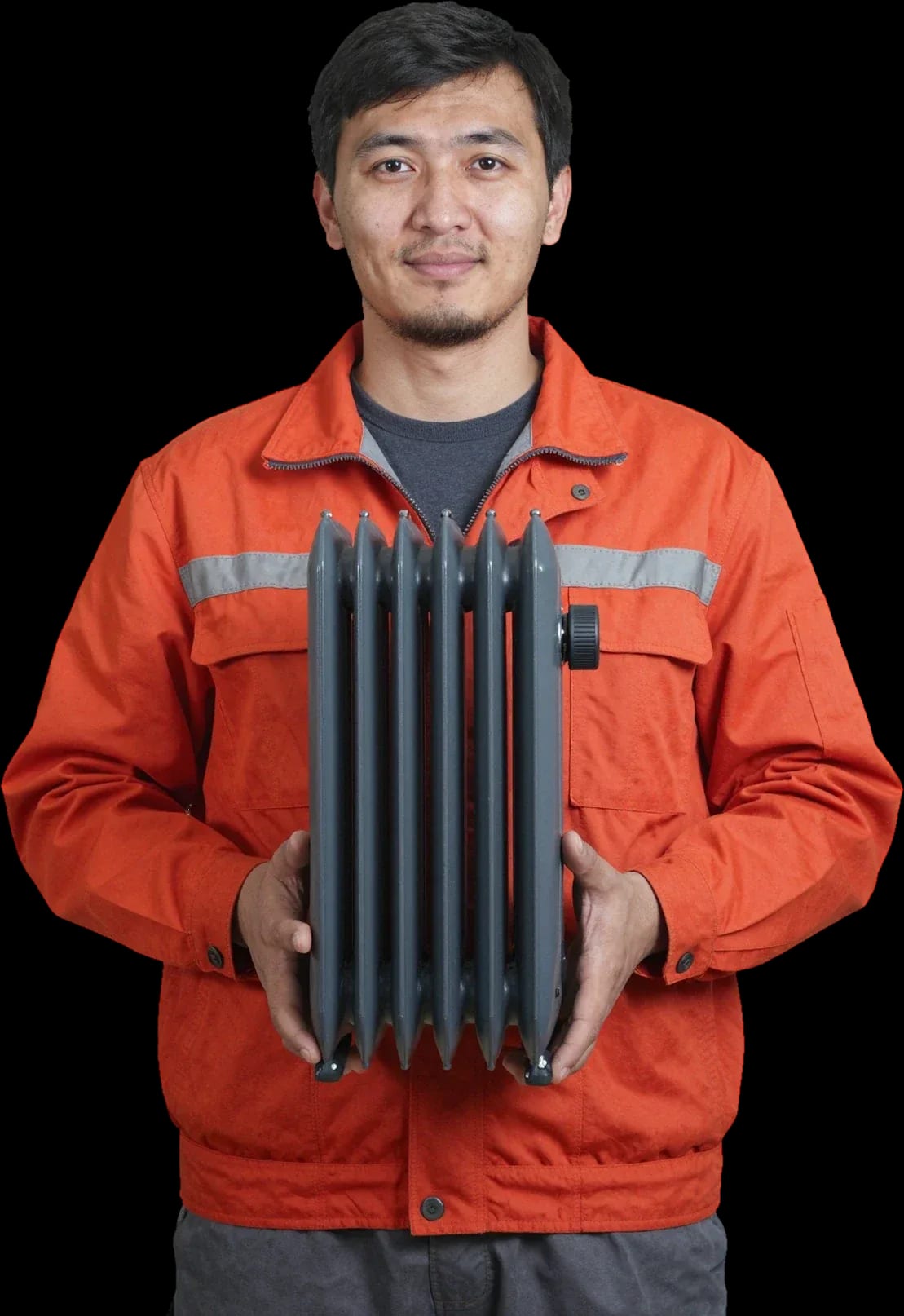
A technician arrives within 60 minutes anywhere in the city. Free diagnostics.
Our own technicians4 to 20 years of experience




Repair prices
Common symptoms and their causes, starting with the most likely. The technician confirms the exact cause after free diagnostics.
plug, outlet, thermal switch, control board
from5 000 ₸
the body is warm but the air is barely warm
from2 000 ₸
contacts, wiring, dust on the heating element
from2 000 ₸
thermal protection, sensor, overheating
from4 000 ₸
fan, bearing
from4 500 ₸
motor, impeller
from4 500 ₸
housing, seal
from2 000 ₸
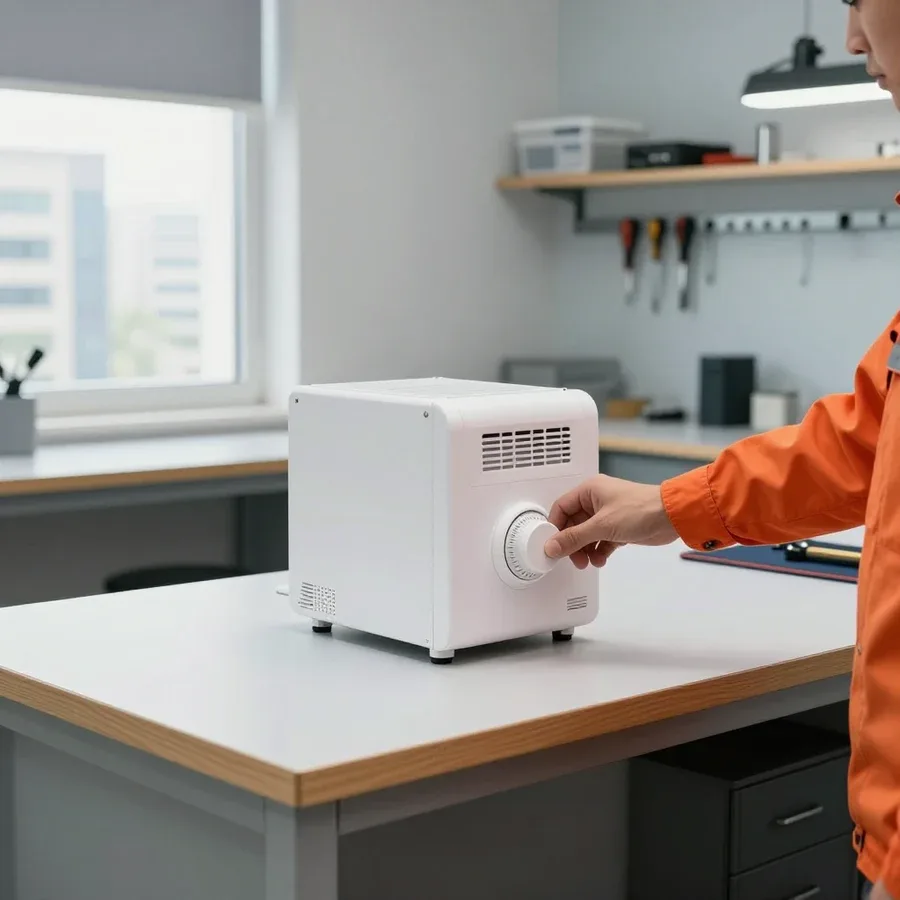
knob, potentiometer
from4 500 ₸
1–2 hourstime
from 2,000 ₸cost
 BeforeAfter

Five steps from your call to checking the heater works.
Tell us the type of heater (oil-filled, convector, fan heater) and when it's convenient for a technician to visit.
The technician arrives anywhere in the city within 60 minutes of your request.
You approve the list of work and the final price before the technician starts disassembly.
You approve the scope of work and the price, and the technician starts the repair.
You turn on the heater yourself and make sure the symptom is gone before signing the work order.
We reply during working hours
Submit a request on the website or call us, tell us the heater model and the symptom, and the technician will prepare for the visit. Diagnostics are free, and the warranty is 1 year.

Warranty question? Call us
+7 (778) 046 88 53 experience14 years
Senior small appliance technician
 experience15 years
On-site coffee machine diagnostics technician
 experience5 years
Coffee machine cleaning technician
 experience12 years
Coffee machine diagnostics technician
 experience5 years
Portafilter coffee machine technician
 experience12 years
Vacuum cleaner repair technician
 experience15 years
Vacuum cleaner repair technician
 experience18 years
Washing machine repair technician
Tech Service repairs heaters in Astana: our technician comes to your home or the unit is fixed at our service center. Diagnostics are free, we arrive within 60 minutes anywhere in the city, and you get a 1-year warranty on labor and parts. Technicians with 4 to 20 years of experience find the cause, not just the symptom.
We work on all types of heaters, from oil-filled radiators to fan heaters with electronics. Below we cover not only the symptoms but also the causes: which component is responsible for the breakdown.
The most common failures are the heating element, thermostat, control board, fan, relay, overheat sensor, and power cord with fuse. The heating element converts electricity into heat, and if the coil or heating element burns out, the body stays cold even though the indicator light is on. The thermostat sets the on and off thresholds, and if it sticks, you get either continuous heating or no heating at all. The control board receives signals from sensors and sends commands to the relay, and its failure often shows up as chaotic blinking lights. The fan blows air through the heater, and a jammed bearing causes humming or rattling. The fuse in the power cord trips under overload and cuts the circuit entirely. A failure in one component often masquerades as another—for example, weak heating may be caused not by the heating element but by a stuck thermostat or a jammed fan.
| Heater type | Common weak component | Typical symptom |
|---|---|---|
| Oil-filled radiator | seals, thermostat | oil leak, not heating |
| Fan heater | fan, coil | noise, burning smell |
| Convector | relay, heating element | clicking, won't turn on |
| Infrared | heating panel | not heating while indicator is on |
| Heat gun | overheat sensor, board | turns off, protection trips |
A symptom is just the tip of the iceberg: behind "not heating" or "shutting off" there is almost always a specific component. Here are three common scenarios that bring Almaty residents to our service center.
If the indicator light is on but there's no heat, we check the heating element, thermostat, and board contacts — most often one of these components is to blame. The heating element (TEN or coil) burns out over time or loses contact at the terminals, and then the unit hums but stays cold. The thermostat regulates the heating temperature: if its contacts stick, it either fails to send the command to turn on or keeps heating constantly. In electronic models, the control board distributes power between the heating element and the fan — an oxidized connector or a burnt-out relay cuts power to the heating circuit. In our practice, fixing such faults in Astana usually comes down to replacing the thermostat or restoring contacts rather than replacing the entire heater. A lit indicator only shows that power is present, not that heating is working, so you can't judge the condition of the heating element by it.
Spontaneous shutdown is usually caused by the overheat sensor, a heat exchanger clogged with dust, or a faulty thermostat that reads the temperature incorrectly. The overheat sensor turns off the heater when the body or outlet air reaches a critical temperature — this is standard protection, not a breakdown in itself. When the radiator and heat exchanger fins are clogged with dust and pet hair, heat dissipation drops, the body heats up faster, and the protection trips prematurely. A thermostat with a worn bimetallic plate opens the circuit at a lower temperature than intended, and the unit shuts off before it has warmed the room. Moreover, frequent tripping of the protection indicates real overheating, not automation being finicky. If the protection trips often, don't bypass it — it's a signal of heater overheating and a reason for diagnostics.
The format of work depends on the breakdown: the technician fixes some faults right at your place, while others require service center conditions. Here's what we repair at home and what in the workshop.
At home we fix most faults related to the thermostat, power cord, contacts, fan, and simple board issues. The visiting technician checks the unit on site: tests the power circuit, inspects the terminals, tests the temperature sensor, and blows dust out of the impeller. Heater repair in Astana at home is convenient because the equipment doesn't need to be disconnected from the mains for long or transported across the city. Installing a new cord, plug, mode switch, and fan bearing fits into one visit, while replacing the thermostat and cleaning burnt contacts takes even less time. Our technician arrives within 60 minutes anywhere in the city, so urgent cases like sparking or failure to turn on are resolved without transporting the equipment. Our advice: before the visit, describe to the technician over the phone exactly how the unit behaves — this helps bring the right parts immediately and avoid scheduling a second visit.
We take equipment to the service center when it needs a new heating element, circuit board soldering, or radiator housing restoration with seal replacement. Such work requires complete disassembly, careful soldering of the tracks, and checking the oil bath for leaks — doing this in a kitchen or a carpeted room is risky. It's also easier to diagnose a control board with a display where you have the tools to check every contact and desolder a burnt component without rushing. Replacing the heating element in a convector or fan heater requires selecting a part by power and resistance, and for an oil radiator, after removing the housing, we check whether the weld seam has started to leak. Complex work is done on-site at the service center, and the client gets a 1-year warranty on labor and parts, just like with at-home service. In our experience, some requests are resolved in a single visit, while others require the workshop — the technician tells you this after free diagnostics, not after disassembly.
| Work | At home | At the service center |
|---|---|---|
| Thermostat installation | yes | yes |
| Cord and plug repair | yes | yes |
| Fan cleaning | yes | yes |
| New heating element | no | yes |
| Control board soldering | no | yes |
| Radiator seal replacement | no | yes |
A display with an error code is a hint, not a verdict: the controller itself reports which component has gone out of acceptable parameters. Let's look at how to read such a hint and what it means in practice.
The error code points to the component that the control board considers faulty, but only diagnostics can confirm the exact cause. The display receives a signal from the controller and shows a conventional designation: for convectors, it's most often overheating or a sensor break; for oil radiators, a thermostat failure; for fan heaters, a fan failure. The board controls the modes and protection of the heater, so if one sensor fails, it may shut down the entire device even if the heating element is intact. The same designation is decoded differently on different models: on budget convectors, an overheating code often means a dust-clogged air duct, while on models with an electronic thermostat, it means the sensor itself has failed. You should check the designation against the specific manufacturer's table, not a generic list from the internet. Write down the code before turning off the power — after a reset, it may disappear from memory, and the technician will have to look for the cause again.
The control board is sensitive to voltage surges, overheating, and dust, so electronic models more often require attention to the controller than mechanical ones. In mechanical models, the mode is set by a bimetallic thermostat — a simple pair of contacts that clicks when heated and has almost nothing to break. The electronic unit contains a microcontroller, triacs, temperature and protection sensors: each element adds a failure point. Dust clogs the controller's radiator and air ducts, causing it to overheat; unstable mains voltage blows the triac or capacitor, and in winter, when powerful appliances are turned on, voltage drops occur more often. A voltage stabilizer and regular dust cleaning significantly reduce the risk of heater electronics failure. In our experience, the electronic unit is the most common reason for requests on such models, and the fault often masquerades as a heater failure: the device doesn't heat, but the culprit is not the heating element — it's the triac on the board.
We read the error code, check the board, sensors, and heating element, then confirm the cause during free diagnostics. First, the technician records the code and cross-checks it against the table for the specific model, then tests the temperature sensor and thermocouple, checks the integrity of the heating element, and inspects the triac on the controller. If the display shows no code and the unit is silent, we check the power supply, fuse, and control circuit. Diagnostics are free, so the client learns the real cause before approving any work and doesn't pay for a blind check. The Tech Service technician quotes the price after the inspection—once it's clear what needs replacing: the electronic board, sensor, or heater. We provide a 1-year warranty on labor and parts, and a call-out within the city takes about 60 minutes.
Sometimes getting equipment back in working order costs more and carries more risk than buying a new one. Let's look at the signs that help both the technician and the owner understand when repairs no longer make sense.
After free diagnostics, we state the cause and scope of work, and the client decides whether to restore the equipment or replace it. The technician disassembles the heater, checks the heating element, thermostat, wiring, and control board, then explains which components have failed and which parts will need replacing. The cost of work is quoted after inspection, once the full picture of the breakdown is clear. We don't push the service if we see that the costs aren't justified by the heater's condition: sometimes it's more honest to say that replacement is wiser. In our practice, this conversation happens regularly—the owner gets the facts and makes an informed decision. We provide a 1-year warranty on labor and parts, so we stand behind the restored component.
Before deciding, find out the age of the equipment, the history of previous repairs, and the extent of damage to the housing or electronics. If the heater has already been restored several times, a new breakdown may be the result of a previous poor repair rather than wear. Recall which parts were replaced last time and how long the device worked after that. Inspect the housing for cracks and oil leaks, check whether the surface heats evenly, and see if there's a smell of burnt insulation. Electronics with a display and buttons age faster than mechanical parts—the control board is sensitive to voltage fluctuations in the mains. Also check whether the display flickered or settings reset: such signs indicate controller wear. The facts you gather will help the technician more accurately assess the prospects for restoration and avoid paying twice for the same fault.
Let's walk through the path from request to a working device: what the specialist does, when work is approved, and what the warranty covers after service. Step by step, you'll see what is agreed and when, which faults are fixed on site, and when repair with parts replacement is needed.
The 1-year warranty covers the work and the parts installed during the heater service. If a replaced thermostat or heating element fails again, the device will be accepted under warranty — the same part will be replaced again at no charge. Assembly quality is also covered: a poorly tightened contact or incorrectly connected wire is also our responsibility under the work warranty. The terms do not depend on the format of the request: the same period applies both during a home visit and at the service center. More importantly, the commitment is given for a specific job, so it records exactly which part was replaced, not a vague "everything as a whole." This approach protects both parties in a dispute about whether a case is covered by warranty — the boundaries of responsibility are clear in advance.
A direct contractor is a service that handles your request itself: its own technician comes to you, rather than passing it to a third-party team. The request is not forwarded to a subcontractor — it is handled by the same person who diagnoses the heater, approves the work, and performs the service. Therefore, responsibility for the result and the warranty lies with one party, not a chain of intermediaries where each shifts the claim to the previous one. If the breakdown recurs under warranty, you don't need to figure out who installed the part — the issue is resolved by the service that has handled your device from the start. For the client, this means predictability: the same terms both for the first request and for a repeat one, with no markup for someone else's work and no vague area of responsibility.
Heater repair doesn't end with replacing the first suspicious part but with checking all components. Below are brief takeaways to help you make a decision without rushing.
Tech Service technicians repair other appliances too — with the same 1-year warranty on labour and parts.
 Refrigerator Repair in Almatyfrom 3 000 ₸
 Washing Machine Repair in Almatyfrom 3 000 ₸
 Dishwasher Repair in Almatyfrom 3 500 ₸
 Oven Repair in Almatyfrom 3 000 ₸
 Cooktop Repair in Almatyfrom 3 500 ₸
 Air Conditioner Repair in Almatyfrom 3 500 ₸
 Boiler and Water Heater Repair in Almatyfrom 2 500 ₸
 Freezer Repair in Almatyfrom 6 000 ₸
 Tumble Dryer Repair in Almatyfrom 5 000 ₸
 Coffee Machine Repair in Almatyfrom 2 500 ₸
 Robot Vacuum Cleaner Repair in Almatyfrom 3 500 ₸
 Vacuum Cleaner Repair in Almatyfrom 1 500 ₸
 Microwave Oven Repair in Almatyfrom 2 000 ₸
 Hair Dryer Repair in Almatyfrom 1 500 ₸
 Iron Repair in Almatyfrom 3 000 ₸
 Electric Kettle Repair in Almatyfrom 2 500 ₸
 Mixer Repair in Almatyfrom 2 500 ₸
 Multicooker Repair in Almatyfrom 500 ₸

If your dishwasher won't drain, the most common culprits are a clogged filter or drain hose; less often, it's the pump, impeller…
24 March 2026 · 12 minutes read
A washing machine can hum for many reasons, and the first thing to figure out is when the sound appears.
20 March 2026 · 12 minutes read
The easiest way to remove scale from a kettle is with citric acid: 1–2 tablespoons per liter of water, boil for 5–10 minutes, then drain and rinse.
17 March 2026 · 13 minutes read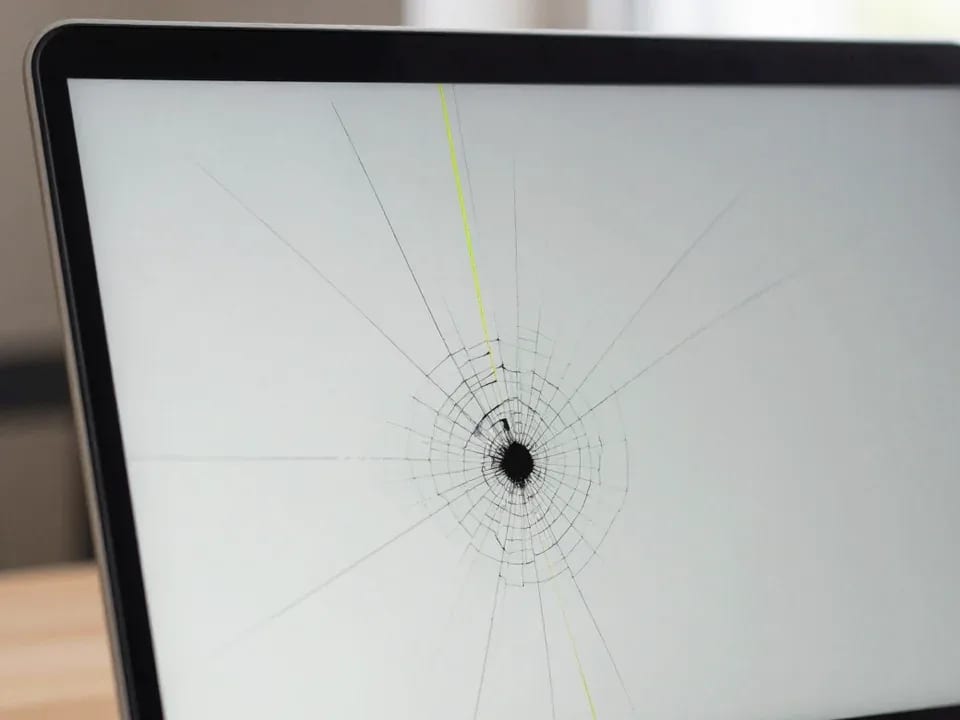
If your laptop screen is broken, turn the device off first, don't press on the display, and check the picture through an external monitor.
12 March 2026 · 11 minutes read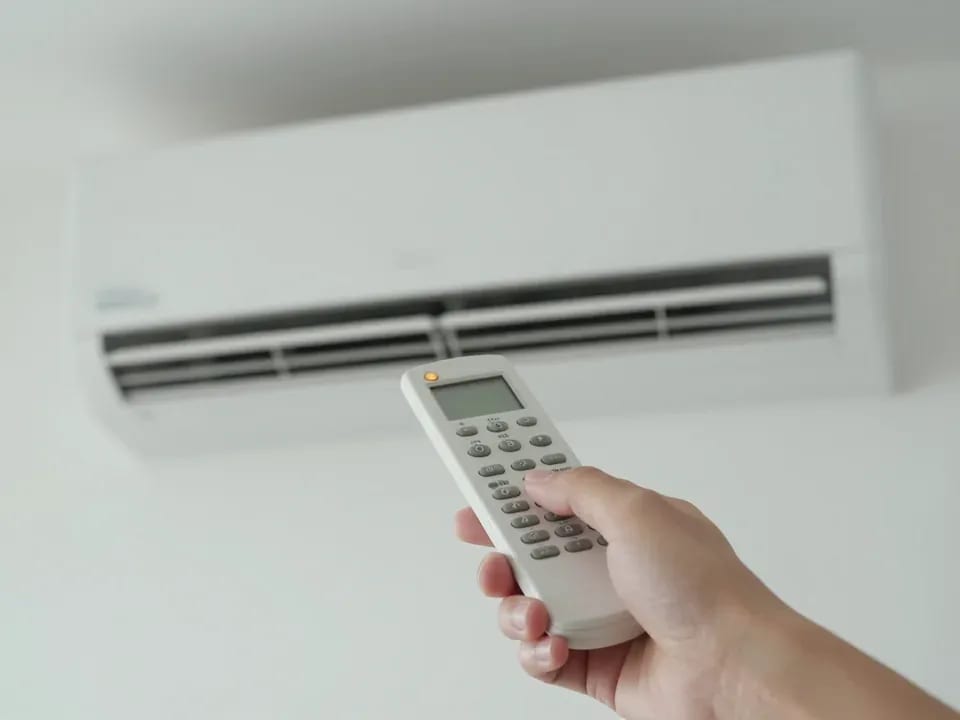
Air conditioner errors are codes on the display or flashing indicators that show which component has failed.
5 March 2026 · 12 minutes read
If your washing machine isn't filling with water, the most common culprits are a closed valve, a clogged inlet filter screen on the hose…
20 February 2026 · 13 minutes read