Эдуард К.Order No. AS-4633 · 9 September 2025
oursПервый раз обратился, до этого чинился у знакомого. Выдали квитанцию и гарантийный талон. Могу советовать!!
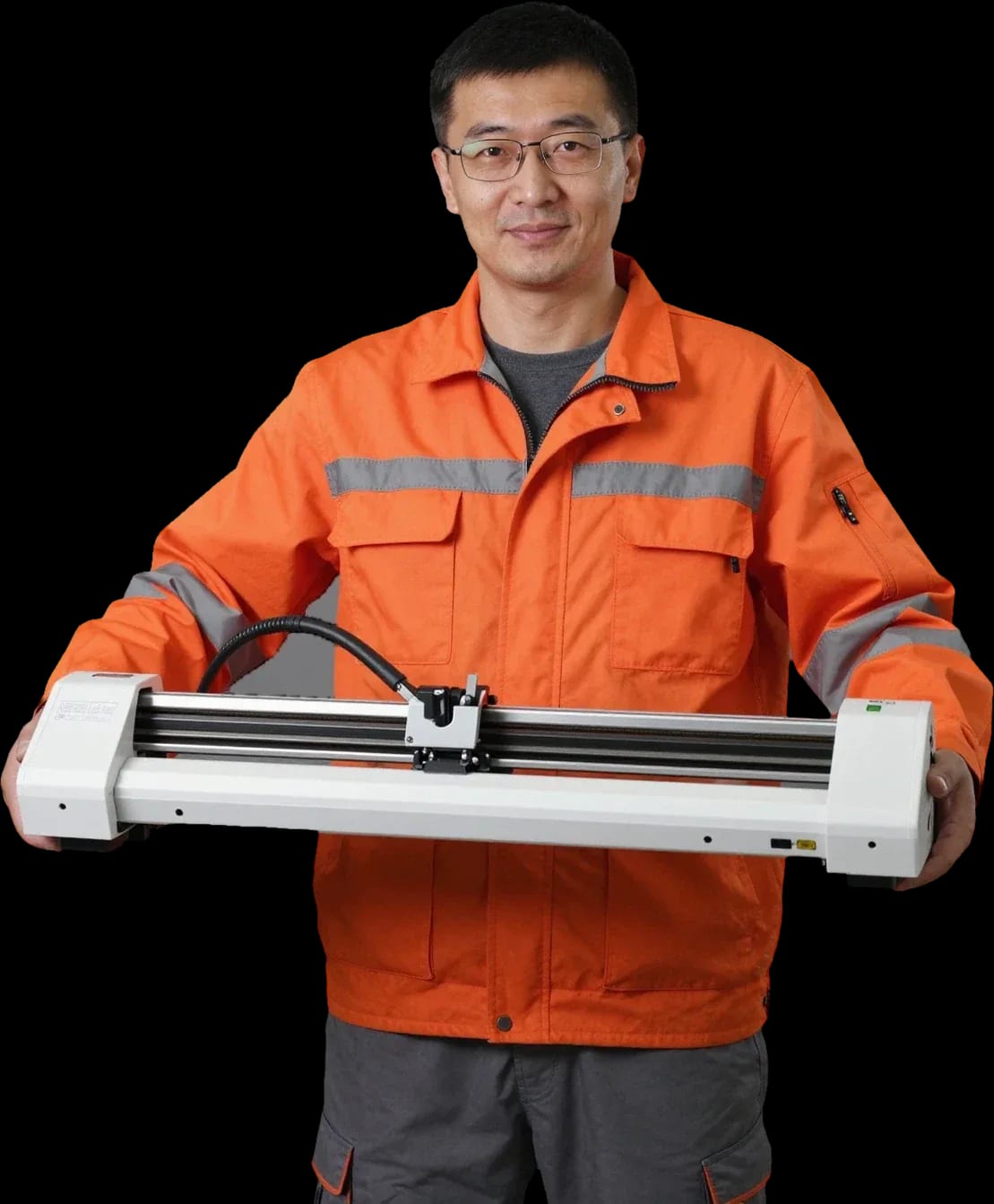
A technician arrives within 60 minutes anywhere in the city. Diagnostics are free.
Our own technicians4 to 20 years of experience




Repair prices
The symptoms customers most often report. The technician identifies the exact cause after free diagnostics.
clogged nozzles, driver failure
from7 000 ₸
misaligned roll, debris in the paper path
from6 500 ₸
position sensor, limit switch
from6 500 ₸
slipping rollers, loose belt
from6 500 ₸
clogged nozzles, misalignment
from7 000 ₸
worn bearings, loose fasteners
from8 500 ₸
no power, blown fuse
from15 000 ₸
reset settings, dirty sensor
from7 000 ₸
1 visittime
from 7,000 ₸cost
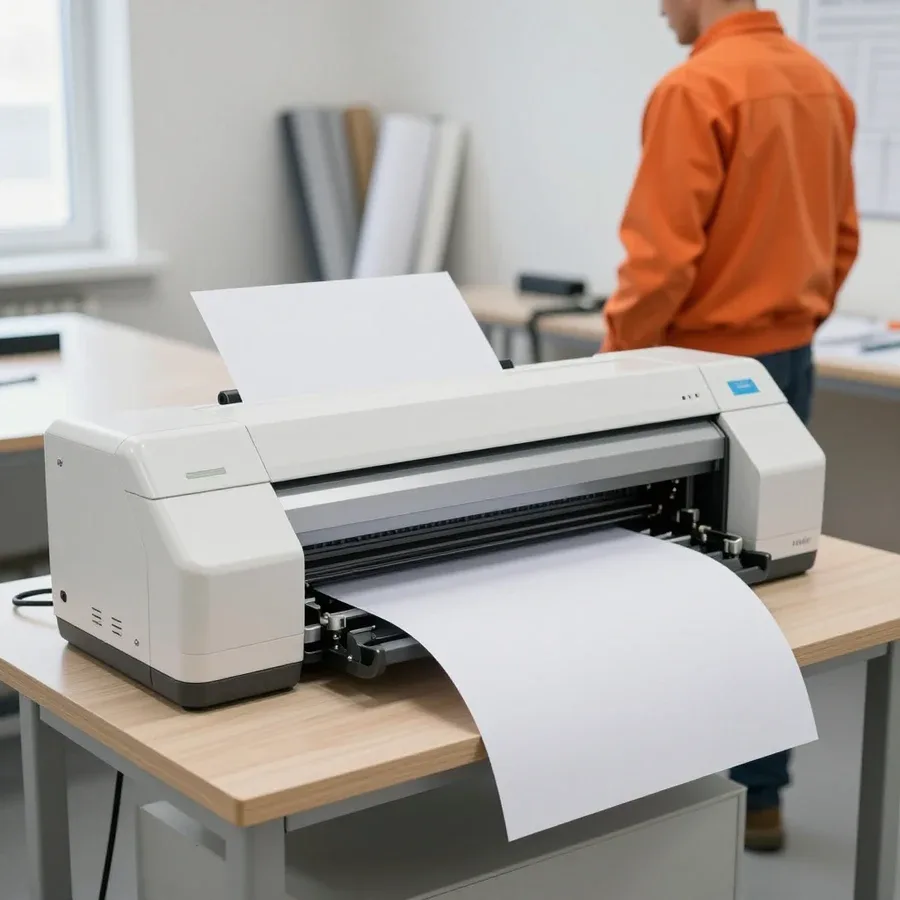 BeforeAfter

Five steps from request to checking the plotter's performance.
Describe the symptom and plotter model so the technician brings the right tools.
A technician arrives within 60 minutes anywhere in the city.
The technician checks the feed mechanism, printhead, sensors, and electronics.
You get a list of faults and repair options to choose from.
The technician runs a test print and checks that all components work after reassembly.
We reply during working hours
Describe the plotter fault and a convenient visit time — the technician will confirm the arrival and bring the necessary parts.

Warranty question? Call us
+7 (778) 096 59 61 experience7 years
PC and network repair engineer
 experience11 years
Senior mobile computer technician
 experience10 years
Laptop repair technician
 experience9 years
Motherboard repair technician
 experience16 years
Printer repair technician
 experience12 years
Computer repair technician
 experience18 years
All-in-one computer repair technician
Tech Service repairs plotters in Astana: our technician arrives at your home or office within 60 minutes, or we fix the equipment at our service center. Diagnostics are free, you get a 1-year warranty on labor and parts, and our technicians have 4 to 20 years of experience. We quote the price after diagnostics and you can pay via Kaspi QR, Kaspi Red, bank card, cash, or bank transfer for companies.
When a plotter stops and won't print, it's always a symptom of a specific component. Let's look at common causes and what a technician does about them.
A plotter error code is a hint for the technician about which component has failed: carriage positioning, media feed, ink system, or controller. Combinations like "carriage locked" or "no media" point to sensors and movement mechanics, while control board errors are more often related to power and ribbon cables. On wide-format machines, a separate group of codes relates to the paper feed system: an optical sensor doesn't see the roll edge, and printing stops until it's resolved. Another common source is desynchronization of the encoder strip and the printhead: the machine loses position and goes into protection mid-job. It's worth noting the code before the technician arrives — with the number, they bring the right tools and parts instead of wasting the visit searching for the cause.
If the plotter won't turn on, we first check the power supply and control board, while freezing on a large file more often points to the controller or print settings rather than mechanics. The engineer tests the power circuit, inspects capacitors and controller cables, then tests sending a job from another computer. We also check the power button and fuses separately: they fail during power surges and cause a complete lack of response to start. Freezing on one heavy file while small ones print fine is a reason to check the driver and job size before sending the equipment to service. If the control board shows no signs of life, the technician checks voltages at the outputs and only then concludes that the component needs replacement.
For a plotter that sat idle for a long time, we restore the printhead and ink system by flushing, and if the clogging is severe, we replace the blocked components. Ink in the nozzles thickens and crystallizes, so the first test prints show gaps and white bands even after a software flush. The technician removes the printhead, flushes the nozzle plate, and checks the CISS for leaks to rule out air intake. If pigment has hardened in the channels, only an ultrasonic bath or printhead replacement helps — on-site flushing won't restore such a component. The longer the equipment has been idle, the higher the chance that flushing won't be enough and the printhead will need replacement — so it's better to show a dried-out plotter to a technician right away rather than trying to print and hoping for the best.
Bands, tears, and paper jams are the most common plotter complaints. We'll show which component is responsible and when settings help versus when parts need replacing.
A plotter tears paper more often due to worn pickup rollers or incorrect feed, and we check both causes before changing anything. The feed system consists of pinch rollers, a shaft, and edge sensors: when the rubber wears out, it stops gripping the sheet evenly, the media skews, and the edge catches on the guides. On wide-format machines, roll misalignment during loading adds to this — if the roll isn't straight, the material pulls to the side from the first centimeters of printing. We inspect the rollers for wear and ink marks, check the shaft movement and sensor positions. If the grip still works but the media still runs crooked, the issue may be in the paper type and density settings — the technician compares them with the print profile before replacing parts.
White streaks and gaps in plotter printing usually mean a clogged printhead or air in the ink system, not a mechanical failure. The printhead nozzles get clogged with dried ink after idle periods or when using incompatible consumables, and air in the dampers and CISS tubes interrupts supply to individual channels. Cartridges that are past their prime produce the same effect: color is uneven, and light areas appear on the print. Even streaks across the entire width usually indicate clogged nozzles, while local gaps point to ink supply issues in specific channels; by the pattern of the defect, the technician narrows down the search before disassembly. In my opinion, the nature of the defect saves the most time: a symmetrical pattern immediately rules out mechanical causes and shifts the check to printhead cleaning and system priming.
When the device stops feeding media, we first check tension and feed settings, and only then decide if the pickup rollers need replacement. Weak roll tension, wrong media type selected, or incorrect menu settings produce the same symptom as worn rubber: the sheet slips or stops mid-job. The film feed system works similarly, but the material itself is stiffer and thinner, so besides skew, there's a risk of creasing and layers sticking together on the shaft. The technician runs a test on the customer's actual material and observes how the sheet behaves at different speeds. Replacing rollers without checking settings sometimes doesn't solve the problem—the material continues to skew, so the technician tests feed on the client's real material.
Wide-format equipment isn't always convenient to transport—let's break down what can realistically be fixed on-site, how a specialist visit works, and when it's better to bring the machine to the service center.
We service plotters at home or in the office when the issue doesn't require bench disassembly, and a specialist arrives within 60 minutes anywhere in the city. On-site visits cover media feed, print settings, and ink system issues: dried nozzles, incorrect parameters, paper jams, and drying in the ink path. On-site diagnostics are free, and based on the results, it's clear whether the work fits the on-site format. The technician arrives with their own tools and checks the unit on a running machine, not based on a phone description. On-site service in Astana is convenient specifically for feed, settings, and ink system issues; if diagnostics show that deep disassembly is needed, the technician will honestly say so on the spot.
If diagnostics indicate replacement of the control board, power supply, or complex carriage disassembly, we repair the equipment at the service center, where it's easier to verify print results. The controller and power supply require testing under load, and after disassembly, the carriage with the guide must be aligned geometrically and run through test prints—doing this in mid-air, in someone else's premises, is risky. We discuss transportation of wide-format machines separately from the repair itself to avoid mixing two processes. The decision 'home or service center' is made based on diagnostics, not in advance—so the client doesn't pay for transporting equipment that can be fixed on-site. The 1-year warranty applies to both in-house service and installed parts—this removes the question of where to service the machine after the first visit.
A specialist arrives at the office or home within 60 minutes, performs free diagnostics, agrees on the work, and repairs the plotter on-site if possible. Citywide visits are not limited to specific districts, so you don't need to schedule around someone's route. After inspection, the technician provides a list of work and the cost—before starting, so the client makes the decision, not a bill afterward. The 1-year warranty covers both on-site work and parts installed during service. For an office with multiple plotters, an on-site visit saves time—the specialist checks the equipment one by one and immediately says what can be resolved on-site and what requires the service center.
Repair follows clear steps — from free diagnostics to checking the print on actual media. Here's what each stage includes and what exactly the warranty covers.
During free diagnostics, we find the cause of the plotter malfunction and give you a quote for the work, and you decide whether to repair the device or not. The technician checks the printhead, media feed mechanism, controller, and ink supply system, and inspects the mechanics for wear and clogs. The price is quoted after free diagnostics — before any work begins, with no hidden inspection fees. Diagnostics are valuable because they separate the symptom from the cause: “not printing” could be a clogged head or a controller failure — and that determines the scope of further work. In my view, this step saves the client the most: without it, it's easy to replace a working part while the real cause remains elsewhere.
We provide a 1-year warranty on labor and parts for plotter repair, so you're protected both from repeated mechanism failure and from defective parts. The warranty applies both for on-site visits and for service at our center. A warranty on parts is just as important as on labor: if a replaced part fails, that's the service center's responsibility, not the client's — so it's worth asking about before repair begins. Our technician who performed the diagnostics also handles the device afterward — it's easier for them to recall what was replaced and why. When choosing a service provider, ask about the parts warranty separately from the labor warranty: many only quote a term for the technician's work and leave the replaced mechanism without any obligations.
We work with wide-format printing equipment of various types and classes. Below we explain what we accept for repair and which components most often require a technician's attention.
We repair plotters in Astana for inkjet models and wide-format printers, including equipment from common brands — HP, Canon, Epson, Roland — and during diagnostics we'll tell you for sure whether we take a specific model. Engineering and photo printing equipment, roll-fed and flatbed machines are built differently, but the troubleshooting logic is the same: we check media feed, printhead condition, carriage operation, and control electronics. A Tech Service technician comes to your location in the city and inspects the device on site, and if necessary takes it to the service center. Our specialists have been working with this equipment for 4 to 20 years, so they can tell mechanical wear from electronics failure by the first signs. By print type and component design, these machines from different brands fail in similar ways, so the technician starts with common symptoms, not the name on the case.
| Component | Typical symptom | What the technician checks |
|---|---|---|
| Printhead | streaks, gaps | nozzle clogs, cleaning or replacement |
| Feed rollers | tears, won't pull media | wear, tension, feed settings |
| Carriage and guide rail | stops, positioning errors | contamination, belt, encoder strip |
| Ink system | gaps, air locks | ink supply, dampers, CISS |
| Control board | won't turn on, freezes | power, controller, software |
Restoring a plotter usually makes sense when a single unit has failed while the mechanics and chassis are fine; buying a new one is worth considering when several serious faults occur at once. Replacing the printhead, restoring ink supply, or repairing the control board individually solves the problem without replacing the whole machine, whereas a combination of printhead failure with damage to the board and mechanics makes restoration labor-intensive. The technician quotes the price after free diagnostics, once the cause and scope of work are clear. The decision is easier to make after diagnostics: when the cause and scope of work are known, you can see whether it's limited to replacing a unit or the equipment requires major restoration. We provide a 1-year warranty on labor and parts — another argument in favor of restoring a machine that is otherwise in good condition.
Search results for plotter maintenance are full of intermediaries and private ads. Let's break down how a direct provider with their own specialists differs from an aggregator and a freelancer, and what to look for when choosing a service.
Tech Service is a direct provider: your plotter is repaired by our own specialist, not an intermediary who passes the request to a third party, so one service is responsible for the work and the warranty. Our printing equipment technician comes to your site personally and handles the defect from initial inspection to post-service check. The 1-year warranty covers both labor and parts, and you claim it from the same service rather than searching for who was responsible for a specific stage. With an intermediary, responsibility is blurred between the request and the contractor: the aggregator takes the request, passes it to a subcontractor, and if the problem recurs, the client is left between two parties. It's easier to hold someone accountable for the result when there's a single provider: with an intermediary, responsibility is blurred between the intake and the technician.
Our technicians have 4 to 20 years of experience, and with plotters that means accurate diagnosis by symptom rather than replacing units at random. A wide-format machine is highly specialized: the printhead, media feed unit, rollers, cutter, and electronics are interconnected, and the same band on a print can appear from clogged nozzles, misaligned calibration, or roller wear. A person with extensive experience in printing equipment distinguishes these causes by the machine's behavior and the nature of the defect, rather than replacing everything that seems suspicious. An experienced engineer can often guess the cause from the description of the defect before even visiting — this saves the client time and unnecessary disassembly. In my opinion, it's with plotters that the difference between a novice and an experienced specialist shows up fastest: the machine is expensive, and a diagnostic error costs you the replacement of a working unit.
Plotter repair rarely starts with replacing expensive components. First you need to figure out which part is failing, and only then choose the repair format — on-site or at the service center.
Tech Service technicians repair other appliances too — with the same 1-year warranty on labour and parts.
 Refrigerator Repair in Almatyfrom 3 000 ₸
 Washing Machine Repair in Almatyfrom 3 000 ₸
 Dishwasher Repair in Almatyfrom 3 500 ₸
 Oven Repair in Almatyfrom 3 000 ₸
 Cooktop Repair in Almatyfrom 3 500 ₸
 Air Conditioner Repair in Almatyfrom 3 500 ₸
 Boiler and Water Heater Repair in Almatyfrom 2 500 ₸
 Freezer Repair in Almatyfrom 6 000 ₸
 Tumble Dryer Repair in Almatyfrom 5 000 ₸
 Coffee Machine Repair in Almatyfrom 2 500 ₸
 Robot Vacuum Cleaner Repair in Almatyfrom 3 500 ₸
 Vacuum Cleaner Repair in Almatyfrom 1 500 ₸
 Microwave Oven Repair in Almatyfrom 2 000 ₸
 Hair Dryer Repair in Almatyfrom 1 500 ₸
 Iron Repair in Almatyfrom 3 000 ₸
 Electric Kettle Repair in Almatyfrom 2 500 ₸
 Mixer Repair in Almatyfrom 2 500 ₸
 Multicooker Repair in Almatyfrom 500 ₸
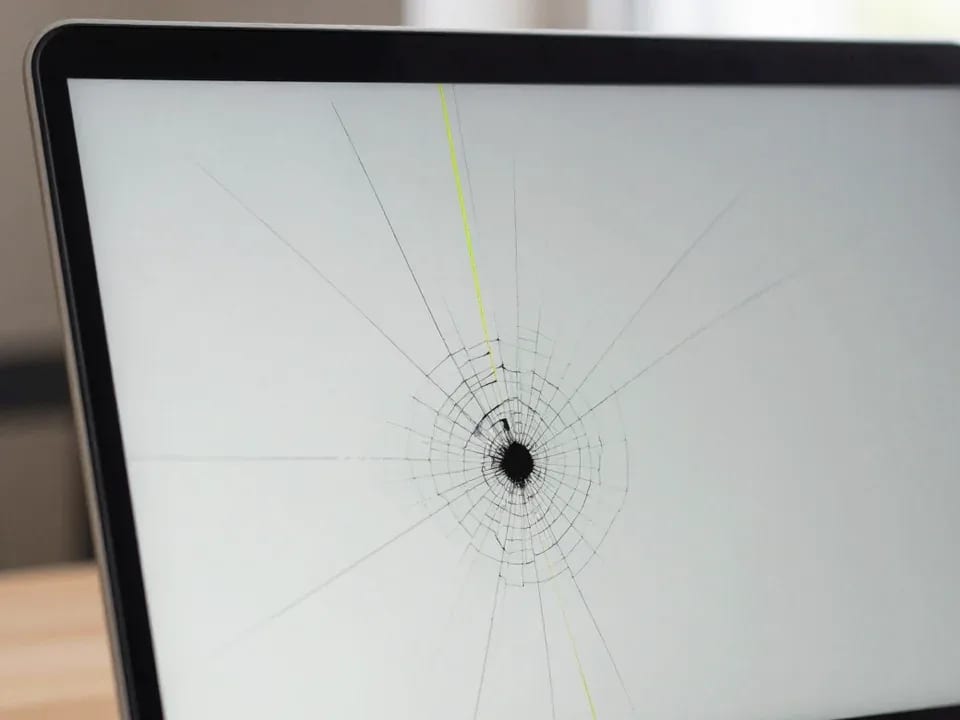
If your laptop screen is broken, turn the device off first, don't press on the display, and check the picture through an external monitor.
12 March 2026 · 11 minutes read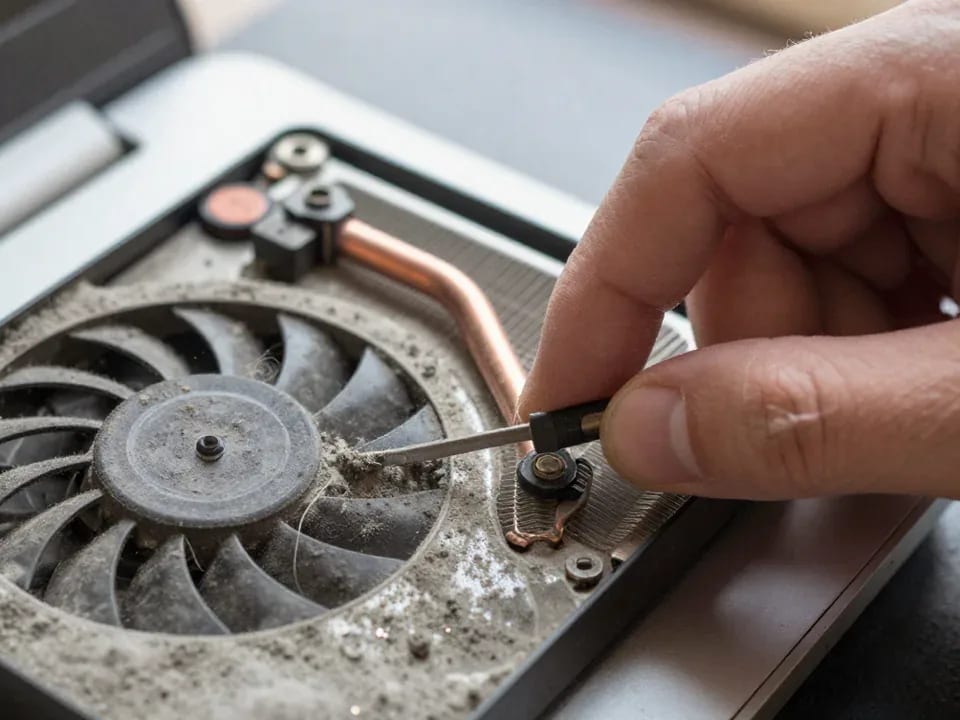
If your laptop freezes, the first thing to do is restart it and check Task Manager to see what's loading the CPU and memory.
25 January 2026 · 12 minutes read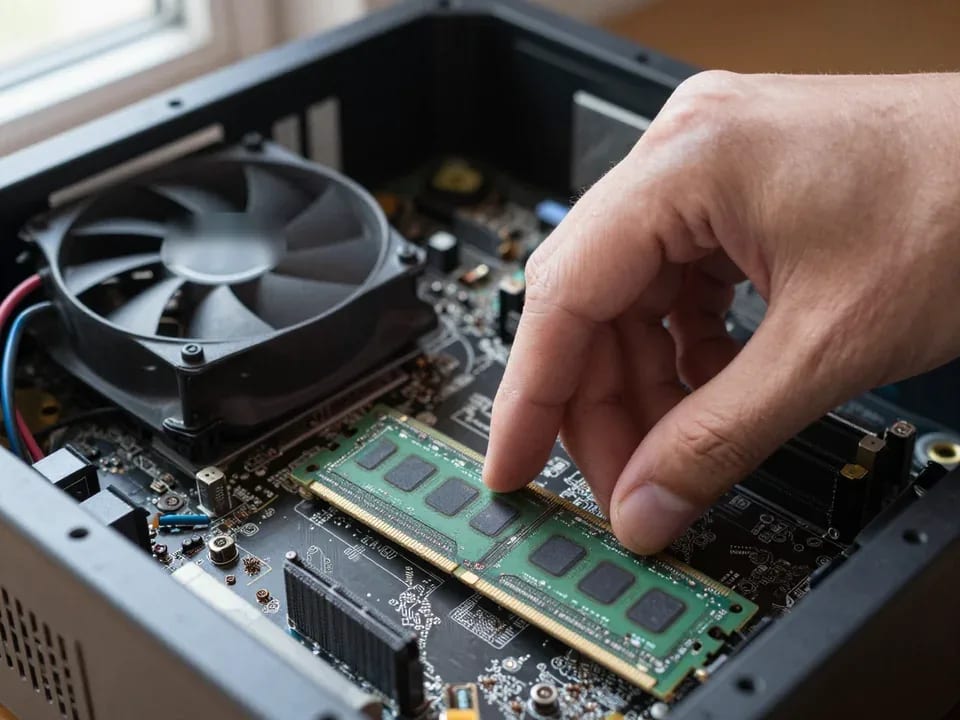
If your computer won't turn on, start simple: check the outlet, power cable, switch on the power supply, and the power button.
19 January 2026 · 13 minutes read
If your laptop won't boot, first determine which of two states you're in: the device doesn't respond to the power button at all…
13 December 2025 · 12 minutes read