Ульяна Ч.Order No. AS-1710 · 6 September 2026
oursПервый раз обратился, до этого чинился у знакомого. Tech-service оказался единственным, кто взял такую модель. Обращусь снова, если понадобится.
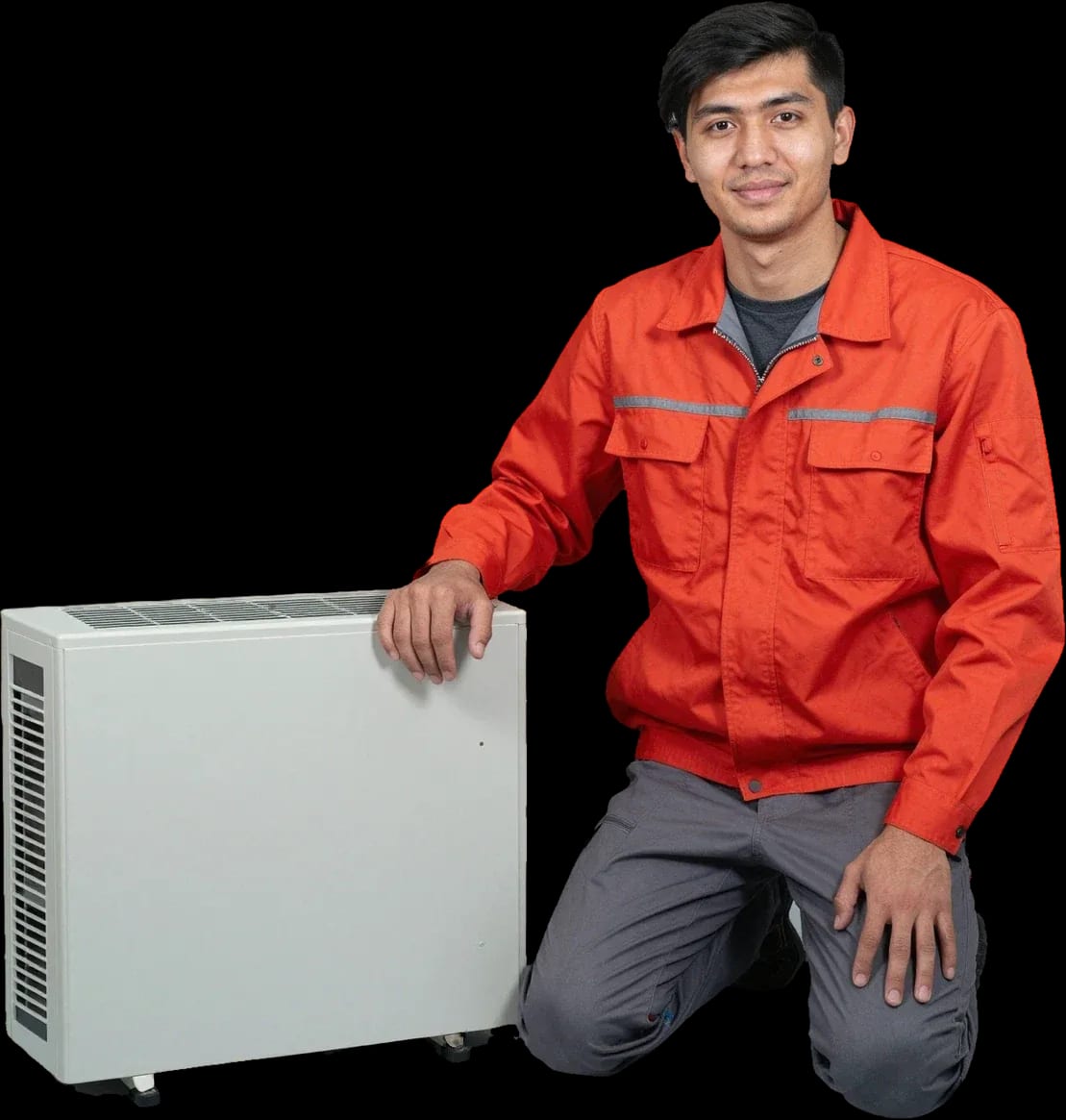
A technician arrives within 60 minutes anywhere in the city. Free diagnostics.
Our own technicians4 to 20 years of experience




Repair prices
Below are typical symptoms and likely causes. The technician will pinpoint the exact cause after a free diagnostic.
clogged heat exchanger, valve, air
from7 500 ₸
worn bearing, imbalance, mounting
from9 500 ₸
clogged drain, condensation, connections
from4 000 ₸
no power, remote control, board failure
from9 500 ₸
worn motor, capacitor, belt
from9 500 ₸
clogged filter, heat exchanger, drain
from4 000 ₸
code points to a specific component
from6 000 ₸
sensor, board failure, stuck valve
from6 000 ₸
1 visittime
from 9,500 ₸cost
 BeforeAfter

From request to performance check — five steps.
Describe the symptom and your fan coil unit model so the technician brings the right tools.
The technician will arrange a convenient visit time and confirm the service address.
The technician will agree on the scope of work and list of parts before starting the repair.
After your approval, the technician replaces the faulty component and restores the fan coil unit's operation.
The technician checks the fan coil unit's operation with you and shows that the issue is resolved.
We reply during working hours
Describe the fan coil unit issue and provide the service address. The technician will arrange a convenient visit time and bring the necessary tools.

Warranty question? Call us
+7 (778) 021 11 78 experience10 years
Air conditioner refill technician
 experience2 years
Air conditioner cleaning technician
 experience14 years
Air conditioner chemical cleaning specialist
 experience15 years
Mobile air conditioner technician
 experience15 years
Lead HVAC specialist

Author: Erlan Zh.,Air conditioner refill technician
Published
Updated
Tech Service repairs fan coil units in Astana as a direct contractor: our technician arrives at your home within 60 minutes anywhere in the city, or the work is done at our service center. Diagnostics are free, the price is quoted after diagnostics, and there is a 1-year warranty on labor and parts. Technicians have 4 to 20 years of experience.
A fan coil unit is an indoor unit of a chiller-fan coil system, and the technician already narrows down the possible faulty components based on the symptom. Let's look at five common complaints: from a silent unit to an error code on the display.
Most often the unit won't turn on because of the control board, electrical wiring, or remote control, not the fan itself. The fan motor fails less often: first, the technician checks the power at the terminal block, the integrity of the fuses, and the board's response to commands from the remote. The display may be lit, but the command doesn't reach the components, or the panel shows no signs of life at all. The control board is the most vulnerable element: power surges and moisture damage the traces and relays, and they are not always repairable. The remote control is another common cause: dead batteries, a broken cable, or incorrect address settings produce the same silent effect. If the unit shows no signs of life but there is power in the room, don't repeatedly toggle the power—this can finish off the electronics; instead, note exactly what happens when you turn it on and tell the technician.
Weak heating and cooling are most often related to the heat exchanger, a clogged filter, or a three-way valve, and sometimes the cause is not in the unit at all but in the chiller. A clogged air filter reduces airflow through the heat exchanger, and the unit blows but doesn't change the room temperature. The three-way valve sticks and stops allowing coolant into the circuit, and temperature sensors give incorrect readings and confuse the automation. Less often, a dirty heat exchanger is to blame: scale and dust on the fins reduce heat transfer, and the unit runs idle. You can distinguish a unit malfunction from a system problem by the behavior of other fan coil units in the circuit—if cooling is lost everywhere, you need to look at the chiller side, not inside one unit. Another sign is the nature of the noise and airflow: when the fan runs smoothly but the temperature doesn't change, the cause is almost always in the coolant or valve, not the motor itself.
Diagnostics is not a quick inspection but a sequential check of components along the chain. Below we explain what exactly the technician checks and why a ceiling-mounted unit doesn't make it more difficult.
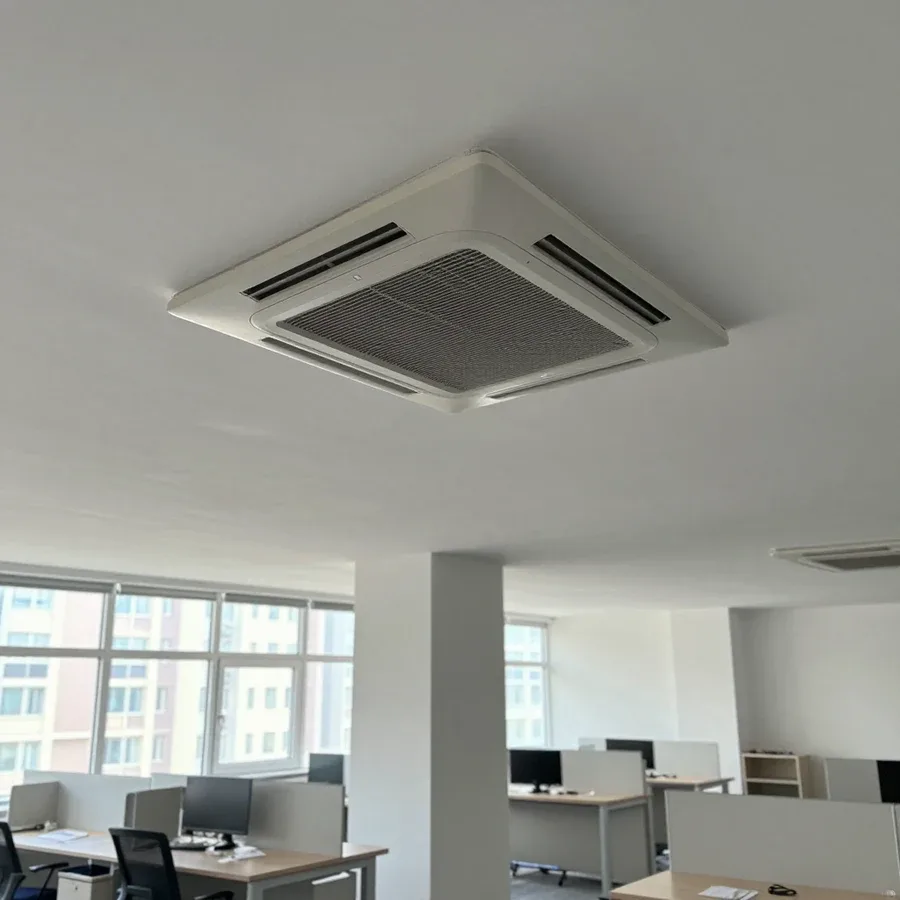
A built-in fan coil unit is diagnosed on site through service hatches and access openings, and the error code and how the unit behaves give the technician the first clue before anything is opened. Our technician first reads the display on the control panel, listens to how the fan starts, and checks whether water drains from the tray. Then, through the hatch, they check the heat exchanger, valve, and board, and remove the filter for inspection if needed. The housing and mounts are also on the list: a loose suspension in the ceiling void causes vibration that residents mistake for a motor fault. If there is no access to the components, that becomes clear during diagnostics, not in the middle of the job — so the price and scope don't suddenly change once the unit is already apart. Around the city, the technician arrives within an hour, so the inspection doesn't stretch over several visits.
Diagnostics are free: the technician finds the cause and quotes the price after that, not over the phone. The inspection covers all fan coil components, finding the cause, and a clear explanation of what exactly failed and what options there are. The price depends on the component and the scope of work: replacing a three-way valve and cleaning the drain are jobs of different scale, and the control board requires separate circuit testing. Quoting a sum before the inspection means either inflating it just in case or promising something that won't be confirmed. We separately clarify which parts will be needed and what can be fixed by adjustment without replacing parts. After the inspection, the technician explains the work plan, and the 1-year warranty covers both the labor and the installed components.
A fan coil unit is stationary equipment built into the system, so the owner's first question is whether a technician comes out or the unit is taken away. We cover both scenarios and when each is appropriate.
Our technician handles most breakdowns — filter, drain, fan, bearings, three-way valve, electrics — at your home, because the fan coil unit doesn't need to be taken away entirely. A specialist comes to your address with tools: opens the housing, removes the filter, flushes the drain tray, listens to the fan, inspects the shaft bearings and the three-way valve on the piping. The electrical part — terminals, motor power, sensors — is tested on site without removing the unit from the ceiling. If the fault is in these components, the work is done right at your place, without removing the heat exchanger and without shutting down the circuit for the whole day. A technician's visit around the city takes up to 60 minutes, and diagnostics are free. Home repair is also easier because the unit stays in the system: there's no need to take apart the piping and then restart the circuit with the risk of depressurization.
A unit goes to the service center when it doesn't make sense to work on it on site — for example, when the control board or a component needs attention and can't be carefully disassembled under a ceiling. Nobody solders a control board overhead in a tight ceiling void: it's removed so the traces can be tested and components replaced without risking damage to neighboring parts. The same goes for the heat exchanger and motor when components and parts need replacing and the mounting space won't allow the part to be pulled out whole. The decision is made during diagnostics, not in advance: if the component can be removed and replaced on site, the unit isn't taken away. In our experience, most calls are resolved with the first scenario, and equipment has to be taken in less often than the fault description might suggest.
Tech Service is a direct provider: our technician comes to your address, not a dispatcher from an aggregator who passes the request to a third party. There's no middleman between you and the specialist, so the fault is inspected by the person who will fix it — no retelling symptoms over the phone and no repeat diagnostics. With an intermediary, responsibility for the work is blurred between the person who took the request and the one who did the job, while a direct provider gives you the same warranty across the board — 1-year warranty on labor and 1-year warranty on parts. Our experience ranges from 4 to 20 years in the field, and the technician is personally accountable for the result. In my view, it's this combination — one provider and one warranty covering everything — that removes the biggest headache when choosing.
Before the technician arrives, it's important not to make things worse: some actions during a leak, noise, or error code are safe, and some aren't. Below is what you can and shouldn't do.
If there's an unusual hum, a smell, or an error code, the safest thing is to turn the unit off and not restart it until it's been checked, and take a photo of the code itself. Noise is most often caused by fan bearings and a dirty impeller: the imbalance creates vibration that loosens mounts and speeds up shaft wear. A smell of burning plastic or wiring points to overheating in the electrical system or control board — in that case, restarting is dangerous for the wiring. The technician checks the fan and its bearings, the impeller, the contacts, and the control board, and the code immediately shows which component to look at. A screenshot of the remote saves diagnostic time: some models store only the last error and clear it after a restart, so without a photo the cause is lost. Don't reset the error yourself and don't repeatedly unplug the unit — that erases the clue that helps the technician find the faulty component faster.
Users often confuse three different scenarios: scheduled preventive maintenance, fixing a breakdown, and replacing equipment. We distinguish them by the nature of the work and by when each is appropriate.
Fan coil maintenance is preventive: cleaning the air filter and heat exchanger, checking drainage and mounts, while repair fixes a breakdown that has already happened. In our practice, maintenance is done before symptoms appear — once a season, before the heating and cooling periods. During maintenance, the technician removes and washes the air filter, cleans the heat exchanger fins from dust and grease, blows through the drain tube and checks that condensate drains without stagnation, and that the fan rotates without play or unusual noise. Troubleshooting begins where a component has already failed: the motor burned out, the three-way valve leaked, the heat exchanger clogged and stopped passing water, the board failed. Tech Service performs both maintenance and cleaning of fan coils, but these are different jobs with different scope and labor intensity. Regular maintenance reduces the likelihood of exactly those breakdowns that most often lead to a specialist visit — a clogged filter and a blocked drain.
Restoration is usually possible if the problem is in a separate component — fan, bearings, three-way valve, drain, or control board; replacement is discussed when the unit itself is worn out or such work is not feasible. In practice, replacing components and parts covers most requests: the fan bearing is replaced separately from the motor, the valve — without replacing the entire heat exchanger, the board — without the casing and drain pan. The casing, heat exchanger, and drain pan last noticeably longer than mechanical and electrical parts, so their wear becomes a reason to discuss a new unit. The decision to replace is not made by eye — first the technician checks whether only the component can be replaced, not the entire unit, and only if such intervention is not feasible does he suggest replacing the fan coil. A simple guideline: if the price of a new component is comparable to the whole unit, replacement is justified.
If cold or heat is lost in all fan coils of the circuit, the cause is most likely on the chiller side, not in a specific unit. The fan coil works in tandem with the chiller in a chiller-fan coil system: it only passes air through the heat exchanger, and the water temperature is set by the external unit. Therefore, one unit that does not heat or cool while neighboring ones work indicates a local fault — a clogged heat exchanger, a stuck valve, an air lock. This can be checked by the behavior of neighboring units: if they work normally, the problem is in the fan coil itself; if the temperature dropped throughout the entire circuit — in the chiller and pump group. Such a test saves time: it immediately shows whether a visit for a specific unit is needed or diagnostics of the entire system.
Final questions before requesting service — warranty, payment, and how exactly the specialist arrives. Below we have gathered the service parameters in one table so you don't have to clarify every detail by phone.
We provide a 1-year warranty on labor and a 1-year warranty on parts — two separate commitments, not one general one. The performed operation and the installed part are insured independently: replacing the fan motor bearing, restoring the control board, replacing the three-way valve, or flushing the heat exchanger — each item has its own term. The experience of our specialists ranges from 4 to 20 years, and during this time we have abandoned the practice where the warranty applies only to the operations performed and does not cover the part itself. The separation is important: if the replaced part fails after six months, the case is recognized as a warranty claim on the part, not a new breakdown. Therefore, when contacting us, mention not only the symptom but also the date of the previous service — this way the technician will immediately see that the situation falls under warranty and will not charge a repeat diagnostic as an initial one. We perform fan coil repair in Astana with such a warranty on each item.
A technician arrives within 60 minutes anywhere in the city, and you can pay for the work in any way that suits you — we accept Kaspi QR, Kaspi Red, card, cash or bank transfer. Our service area covers every district of Astana, including the new residential areas on the left bank and the dense development on the right. The person who comes is our own employee, not a subcontractor: they carry out the free diagnostics and quote the price after it. From there, two scenarios are possible — some work is done on site, while some requires time for the unit in the workshop. The 60-minute arrival is about how quickly we respond to your request, not how long the repair takes: don't confuse the two when planning your day. If the fan coil is built into the ceiling, clear access to the inspection hatch in advance and move furniture out from under it — this speeds up inspection and removal of the unit, and the technician won't waste time moving things around.
| Parameter | What we offer |
|---|---|
| Service format | On-site visit or repair in our workshop |
| Diagnostics | Free |
| Technician arrival | Within 60 minutes anywhere in the city |
| Warranty on labor | 1 year |
| Warranty on parts | 1 year |
| Payment | Kaspi QR, Kaspi Red, card, cash, or bank transfer |
| Cost | Quoted by the technician after free diagnostics |
| Technician experience | From 4 to 20 years |
Here's what every fan coil owner should keep in mind: how to read the symptoms, what to do before the technician arrives, and why preventive maintenance costs less than an unscheduled repair.
Tech Service technicians repair other appliances too — with the same 1-year warranty on labour and parts.
 Refrigerator Repair in Almatyfrom 3 000 ₸
 Washing Machine Repair in Almatyfrom 3 000 ₸
 Dishwasher Repair in Almatyfrom 3 500 ₸
 Oven Repair in Almatyfrom 3 000 ₸
 Cooktop Repair in Almatyfrom 3 500 ₸
 Air Conditioner Repair in Almatyfrom 3 500 ₸
 Boiler and Water Heater Repair in Almatyfrom 2 500 ₸
 Freezer Repair in Almatyfrom 6 000 ₸
 Tumble Dryer Repair in Almatyfrom 5 000 ₸
 Coffee Machine Repair in Almatyfrom 2 500 ₸
 Robot Vacuum Cleaner Repair in Almatyfrom 3 500 ₸
 Vacuum Cleaner Repair in Almatyfrom 1 500 ₸
 Microwave Oven Repair in Almatyfrom 2 000 ₸
 Hair Dryer Repair in Almatyfrom 1 500 ₸
 Iron Repair in Almatyfrom 3 000 ₸
 Electric Kettle Repair in Almatyfrom 2 500 ₸
 Mixer Repair in Almatyfrom 2 500 ₸
 Multicooker Repair in Almatyfrom 500 ₸
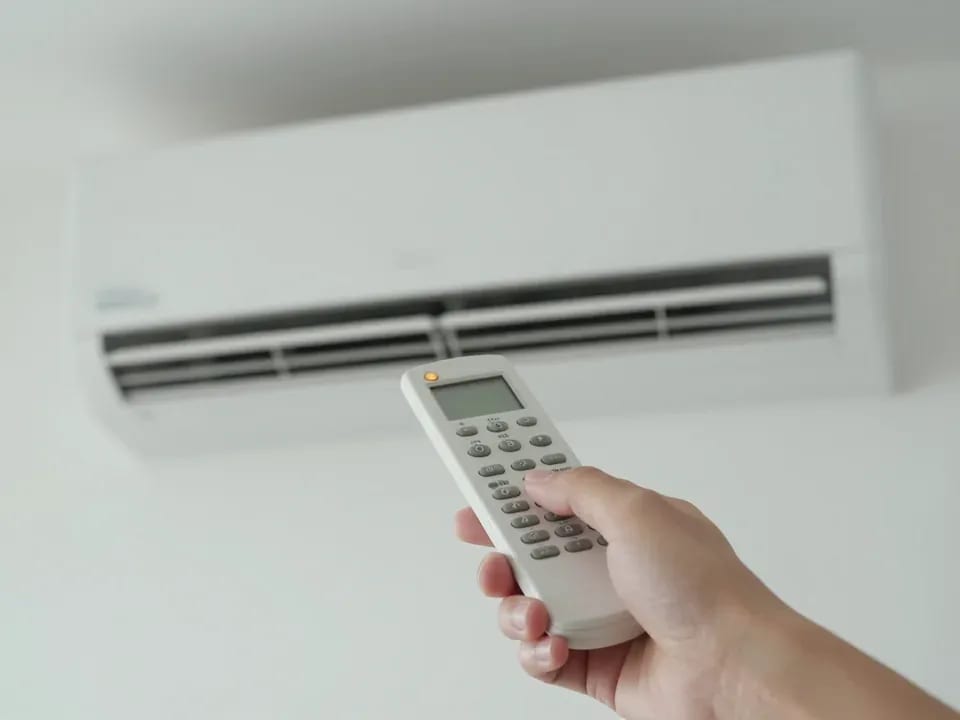
Air conditioner errors are codes on the display or flashing indicators that show which component has failed.
5 March 2026 · 12 minutes read
Gas boiler errors are codes on the display or a flashing indicator that point to a specific component: ignition, pressure, draft, sensor, or control board.
10 February 2026 · 11 minutes read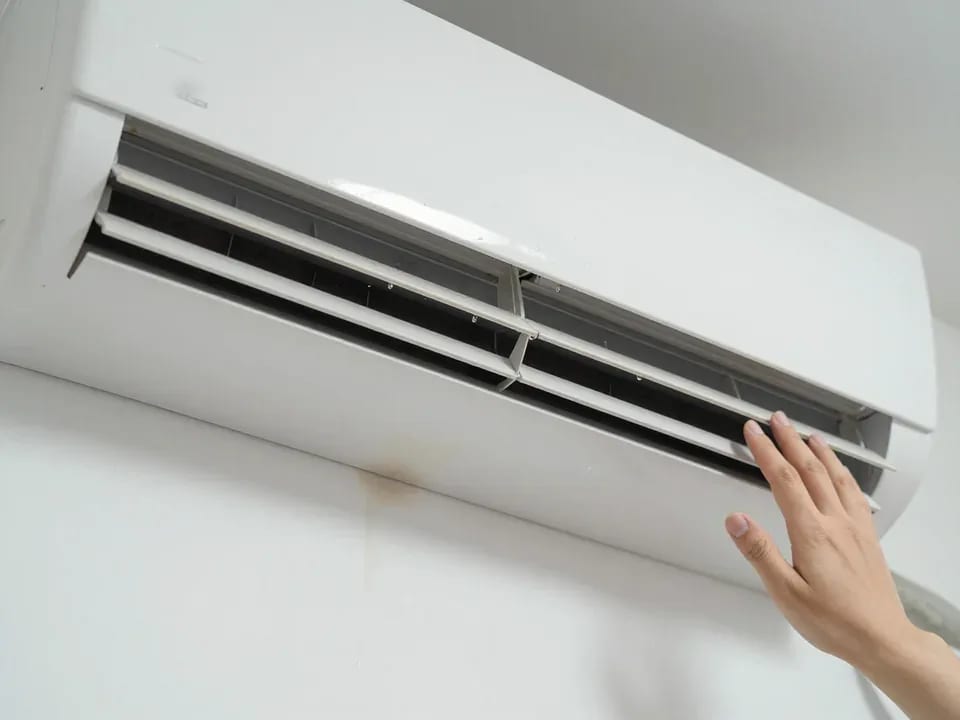
If your air conditioner is leaking, first turn it off and cut the power, place a container under the drip, and move any wiring away from the water.
19 October 2025 · 12 minutes read