Олег Х.Order No. AST-2606-787 · 10 August 2026
oursСервис выбрал по карте — этот был ближе всего. Дамир М сам позвонил и сказал, что готово. Всё проверили при выдаче. Могу советовать.

A technician arrives within 60 minutes anywhere in the city. Free diagnostics.
Our own technicians4 to 20 years of experience




Repair prices
The symptoms customers most often report and their likely causes, from most to least common.
battery is discharged
from4 000 ₸
fuse, terminals, or circuit board
from7 000 ₸
charger, connector, or charge controller
from3 500 ₸
worn battery or poor terminal contact
from3 500 ₸
worn gears or lack of lubrication
from4 500 ₸
batteries, receiver, or control board
from7 000 ₸
worn contacts, wiring, or circuit board
from3 500 ₸
battery voltage drop, contacts, or motor
from4 000 ₸
1–2 daystime
from 4 500 ₸cost
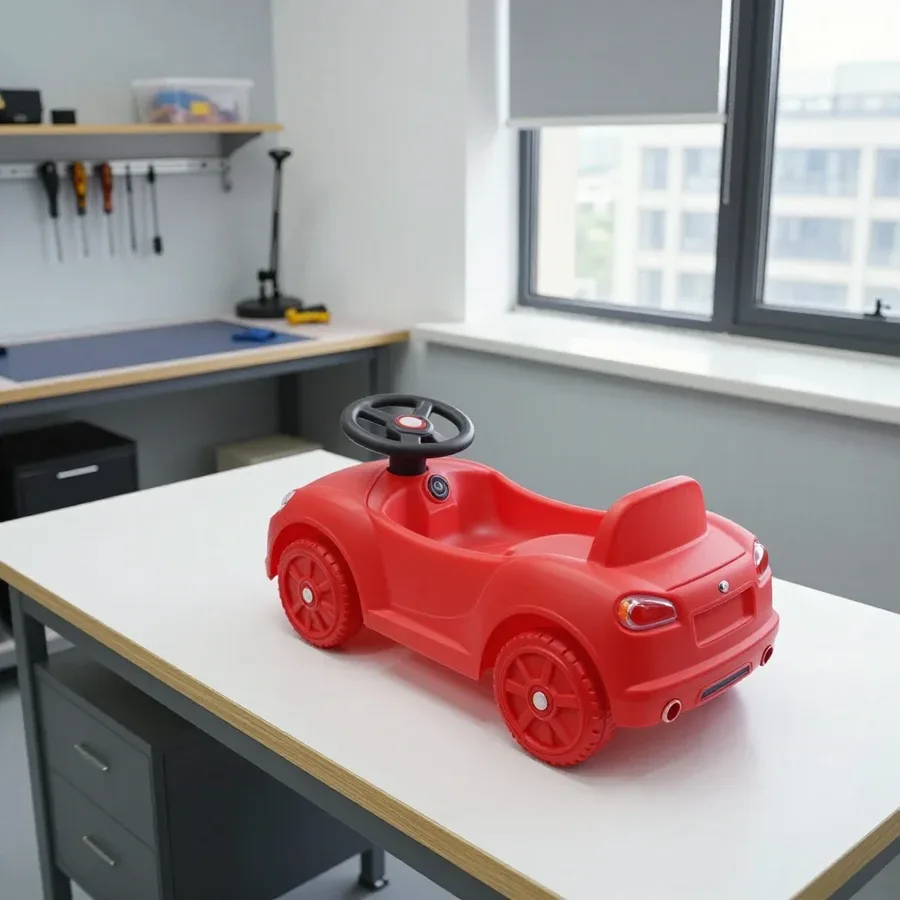 BeforeAfter
Five steps from request to checking the work after repair.
Describe the symptom and model — the technician will confirm details by phone or messenger.
The technician arrives with tools and common parts for your model; address and time are agreed when you place the request.
The technician lists the parts and work needed and agrees the scope with you.
Work begins after the scope and price are agreed with you.
The technician shows what was replaced or adjusted and explains how to use the electric car going forward.
We reply during working hours
Send a request anytime through the website or messenger — the technician will contact you and arrange the visit.

Warranty question? Call us
+7 (778) 046 88 53 experience14 years
Senior small appliance technician
 experience15 years
On-site coffee machine diagnostics technician
 experience5 years
Coffee machine cleaning technician
 experience12 years
Coffee machine diagnostics technician
 experience5 years
Portafilter coffee machine technician
 experience12 years
Vacuum cleaner repair technician
 experience15 years
Vacuum cleaner repair technician
 experience18 years
Washing machine repair technician
Tech Service repairs kids' electric cars in Astana directly, with no middlemen: a technician comes to your home or the work is done at our service center. Diagnostics are free, we arrive within 60 minutes anywhere in the city, and you get a 1-year warranty on labor and parts. The technician gives you the price after diagnostics.
The symptom "won't turn on or won't move" is the most common reason people call us. Here's what we check first and why the cause isn't always the battery.
If the lights and music work but the wheels don't move, we first check the power circuit — the motor-gearbox, controller, and power connectors — not the battery itself. The lighting and music units run on a separate low-current line, so working lights tell you nothing about the traction circuit. The controller receives a command from the pedal and sends current to the windings; if the connectors are oxidized or melted, the command arrives but there's no voltage at the motor. Diagnostics start with measuring voltage under load and testing the circuit from the battery to the gearbox. We begin repairing kids' electric cars in Astana with this check because it rules out half the false theories about a "dead" battery. The low-current line and the power circuit are separate — that's why diagnostics always start with measuring voltage under load, not with replacing the battery.
A burning smell and a sudden stop usually point to overheated wiring or connectors, and less often to a burnt-out controller — we don't recommend turning such a car on until it's been inspected. The connector plastic melts before the protection kicks in, and that's what smells, not the motor itself. The controller may have survived, but sending current again to a melted contact can damage neighboring components and the battery. During inspection, we test the wiring and terminals along the entire length from the battery compartment to the motor-gearbox, check how the contacts sit, and look at the insulation. If the car stopped suddenly and smells like burning, turning it on again can finish off the surviving components — disconnect the power and don't charge it until diagnostics.
Jerking and stalling under load are usually caused by worn plastic gears in the gearbox or by a voltage drop in the battery, not by the control electronics. The gears in kids' cars wear down at the teeth: at idle the motor spins smoothly, but with a child's weight it slips and stalls. A weak battery behaves similarly — it holds voltage without load but drops when the motor draws current. It's easy to check: if the wheels spin smoothly when lifted but the car stops with a rider, the cause is either the mechanical part of the unit or a power drop. We replace worn plastic gears and separately check the power supply under load — these two causes produce the same symptom but are fixed differently.
"Won't charge" and "runs down quickly" are the second most common reasons people call us. Here's how to tell a faulty battery from a faulty charger and what to do with the car after winter storage.
We check both units one by one: we measure the voltage on the battery and the charging current so we don't replace a good battery because of a faulty adapter. Kids' electric cars use 6V, 12V, or 24V assemblies — this determines which charger fits and which connector to check for a voltage drop. First, the technician takes readings from the battery under load, then checks the adapter output and the condition of the contacts in the connector: oxidation and a loose socket produce exactly the same picture as a "dead" battery. Our diagnostics are free, so both units are checked before we give a verdict. If the car runs noticeably less than usual after a full charge, the problem is battery capacity; if it doesn't charge at all, check the adapter and connector first.
You can install a higher-capacity battery of the same voltage, but switching to a different voltage without replacing the controller and motor risks burning out the power electronics. Capacity in amp-hours determines how long the ride-on runs on a single charge, while voltage sets compatibility with the entire circuit: the controller, gear motor, and wiring are designed for a specific voltage. A 12V setup instead of the stock 6V will boost performance, but the current in the circuit will double, and the first thing to fail will be the controller—a scarce part that costs more than the battery itself. When choosing, also consider the compartment dimensions and terminal type: a higher-capacity pack is often taller and won't fit under the seat without modifying the mount. Capacity (Ah) is responsible for runtime, voltage (V) for compatibility; confusing these parameters when selecting a battery is dangerous for the controller.
After winter storage, we most often find a deeply discharged battery and oxidized connectors rather than burnt-out electronics. A lead-acid battery left for several months at subzero temperatures without recharging loses capacity irreversibly—the plates sulfate, and charging can no longer restore them. Oxidation on the terminals and in the connector is the second most common failure: there is contact, but resistance increases, and the controller doesn't receive the required voltage. We measure the residual voltage, check the terminals and connector, and only then decide whether replacement is needed or contact maintenance is sufficient. A battery left discharged in the cold is best not jump-started or force-charged—that accelerates degradation; it's better to check capacity and decide based on the facts.
The remote, gearbox, and speed switch fail in different ways, but parents' complaints sound similar. Below we'll break down which component is responsible for which symptom and what the technician checks.
If the remote doesn't respond, we check the receiver in the ride-on, the batteries and contacts of the remote, and the pairing—most often the receiver or power is at fault, not the transmitter itself. The receiver is located in the housing next to the control unit and receives the radio signal on a fixed frequency; if pairing is lost, the ride-on stops listening to commands even though the wheels turn from the pedal. Batteries discharge unevenly: one cell drops, and the transmitter loses power. Contacts in the battery compartment oxidize from moisture, especially if the ride-on was stored in an unheated garage or on a balcony. After winter, oxidation on the receiver terminals and in the compartment is the most common finding, and simply replacing the cells doesn't always help: the receiver module needs checking and the contacts need cleaning.
If second speed doesn't engage, the cause is usually the speed switch or the controller not switching modes—this can be fixed, it's not a 'model quirk.' The handlebar switch closes the circuit to another output of the control unit, and if the contact is oxidized or burnt, the signal doesn't get through: the ride-on stays in first mode. Less often the controller itself is at fault—the second-stage power switch fails under overload, for example when a child rides uphill in low gear. Checking starts with testing the switch and its connector, then measuring the signal at the control unit input. Before replacing the controller, it's worth checking the switch and its connector: an oxidized contact gives the same symptom even with working electronics.
| Symptom | Likely component | What we check |
|---|---|---|
| Won't turn on at all | Battery, power button | Voltage, button contacts |
| Wheels don't move, lights are on | Gear motor, controller | Power circuit under load |
| Jerks under load | Gearbox gears, battery | Gear wear, voltage drop |
| Doesn't respond to pedal | Throttle pedal, controller | Pedal signal, control unit |
| Doesn't respond to remote | Receiver, transmitter | Pairing, power, contacts |
Some breakdowns can be fixed on the spot, while others need a full workshop. Here's what can be done on-site, when it's better to bring the car to the service center, and how a technician's visit works in the city.
At home, we handle most common breakdowns: diagnostics, battery replacement, remote repair, gearbox gear replacement, and wiring checks. The visiting technician brings tools and typical parts for the specific model — from the remote to the wheel assembly — so there's no need to disassemble the electric car beforehand or take it anywhere. We test the wiring on-site: a break in the power circuit or an oxidized contact in a connector is visible right away, without transportation. Gearbox gear replacement is also done at home — the unit is removed, worn parts are replaced, and after reassembly the operation under load is checked. The on-site format for kids' electric cars in Astana is convenient because the car doesn't need to be disassembled and transported — work is done on-site, and parents see which parts are being replaced and why. This kind of kids' electric car repair in Astana covers most typical requests without a trip to the workshop.
We handle complex cases with the controller and power electronics at the service center, where full component diagnostics can be performed. The controller manages the motor's power, and its failure is hard to confirm at home: you need measurements under load and board testing, not just a visual inspection. Power electronics — fuses, triacs, board traces — require disassembling the unit and checking each element; otherwise, replacing one component doesn't fix the cause. Such work is done in the workshop, where there are conditions for careful soldering and testing of the assembled unit. If the cause isn't confirmed by measurements during the visit, it's more honest to bring the car to the service center than to replace components at random and return to the same symptom a week later. Disassembling the unit and checking elements can't be done at home — that requires workshop conditions and time to test the assembled unit.
The technician arrives within 60 minutes anywhere in the city, performs free diagnostics on-site, and agrees on the work before starting the repair. First, they check the power, remote, and gearbox, then explain the cause and scope of work — the parent sees which components are being replaced and why. The cost is quoted after free diagnostics, before disassembling components, and payment is accepted by all methods. The warranty on labor and parts is 1 year. Agreeing before work starts is important for the parent: it's clear what is being replaced and why, and there are no surprises after disassembly. This procedure applies to every request — first inspection and cause, then a decision on the work. The on-site format covers most requests from residents of the capital without a trip to the workshop.
A transparent process removes the owner's main fear — handing over the car and not knowing what was done to it. We show the steps from request to inspection and explain how far the warranty extends.
We provide a 1-year warranty on labor and parts, meaning we stand behind both the quality of our work and the parts we install. These are two separate obligations: if the gearbox we rebuilt starts making noise again a month later, that's a warranty case for the work; if the gear or battery we supplied fails, that's a warranty case for the part. For children's electric cars, the parts warranty is especially important: batteries and gears are wear items, and their lifespan directly depends on how often the car is used, on what surface, and with what weight of child. In my opinion, an honest technician explains this nuance before work begins, not after. Keep information about the replaced parts — it makes it easier to match a recurring symptom with a previous visit and avoid paying twice for the same component.
If the car is still under the store's warranty, it makes sense to contact the seller first, and come to the service center when the store warranty doesn't cover the breakdown or has expired. The seller has the right to send the car for their own inspection, and that's a normal procedure — it's how they confirm that the defect wasn't caused by the owner. Tampering or going to a third party may void the store warranty — it's worth weighing that risk before unscrewing the first screw on the body. A practical tip: before disassembling, photograph the seals and the body, keep the receipt and packaging — in a disputed situation, these photos help prove that no tampering occurred. If the warranty is about to expire and the breakdown is minor, it's reasonable to wait it out and then decide on the repair.
Before calling, many people weigh: repair or a new car. Let's look at when repair is justified and when it isn't, and where DIY repair is dangerous.
Repair is usually justified if the breakdown is local — battery, gears, remote control, or wiring — and the body, frame, and chassis are intact. An electric car is built as a set of independent components: the seat, body, wheels, and gearbox wear out slowly, while the battery and electronics fail first. If one component is replaced and the rest is fine, repair extends the car's life. Moreover, the fault often masks itself: a weak contact in a connector mimics a motor failure, and a dead battery mimics a broken remote. In such cases, replacing one element gets the car back in working order. But when several systems fail at once — it won't hold a charge, the wheels don't turn, the remote doesn't respond — the total repair cost approaches the price of a new electric car, and then it's wiser to compare options. In my opinion, you should count not by the number of breakdowns but by how many components are still in working condition.
DIY repair is dangerous where there's power electronics and power supply: the battery, controller, and wiring — a mistake can cause a short circuit or fire. A lithium battery heats up if the cells are handled incorrectly, and the control unit burns out in seconds without the correct load. At Tech Service, we regularly see cars after home repair attempts: reversed polarity, twisted wires without soldering, an opened control module. Replacing gears or a remote is usually within the capability of a careful parent, but opening the battery and electronic unit without experience and tools is not advisable. Before any disassembly, photograph the wire connections — it saves the technician time when restoring the circuit. And one more thing: it's better to set the faulty component aside right away rather than test it by turning it on again.
| Option | When it works | Risk |
|---|---|---|
| At-home repair | Common breakdowns, part replacement | Low if the technician is experienced |
| Service center repair | Complex electronics, controller | You need to bring the car in |
| DIY repair | Remote, gears, cosmetics | High with power and controller |
| Buying a new one | Many systems broken at once | Cost of a new car |
Breaking down common failures of kids' electric cars comes down to a few practical points: what to check first, where the line is between home and service center intervention, and when a repair is worth it.
Tech Service technicians repair other appliances too — with the same 1-year warranty on labour and parts.
 Refrigerator Repair in Almatyfrom 3 000 ₸
 Washing Machine Repair in Almatyfrom 3 000 ₸
 Dishwasher Repair in Almatyfrom 3 500 ₸
 Oven Repair in Almatyfrom 3 000 ₸
 Cooktop Repair in Almatyfrom 3 500 ₸
 Air Conditioner Repair in Almatyfrom 3 500 ₸
 Boiler and Water Heater Repair in Almatyfrom 2 500 ₸
 Freezer Repair in Almatyfrom 6 000 ₸
 Tumble Dryer Repair in Almatyfrom 5 000 ₸
 Coffee Machine Repair in Almatyfrom 2 500 ₸
 Robot Vacuum Cleaner Repair in Almatyfrom 3 500 ₸
 Vacuum Cleaner Repair in Almatyfrom 1 500 ₸
 Microwave Oven Repair in Almatyfrom 2 000 ₸
 Hair Dryer Repair in Almatyfrom 1 500 ₸
 Iron Repair in Almatyfrom 3 000 ₸
 Electric Kettle Repair in Almatyfrom 2 500 ₸
 Mixer Repair in Almatyfrom 2 500 ₸
 Multicooker Repair in Almatyfrom 500 ₸

If your dishwasher won't drain, the most common culprits are a clogged filter or drain hose; less often, it's the pump, impeller…
24 March 2026 · 12 minutes read
A washing machine can hum for many reasons, and the first thing to figure out is when the sound appears.
20 March 2026 · 12 minutes read
The easiest way to remove scale from a kettle is with citric acid: 1–2 tablespoons per liter of water, boil for 5–10 minutes, then drain and rinse.
17 March 2026 · 13 minutes read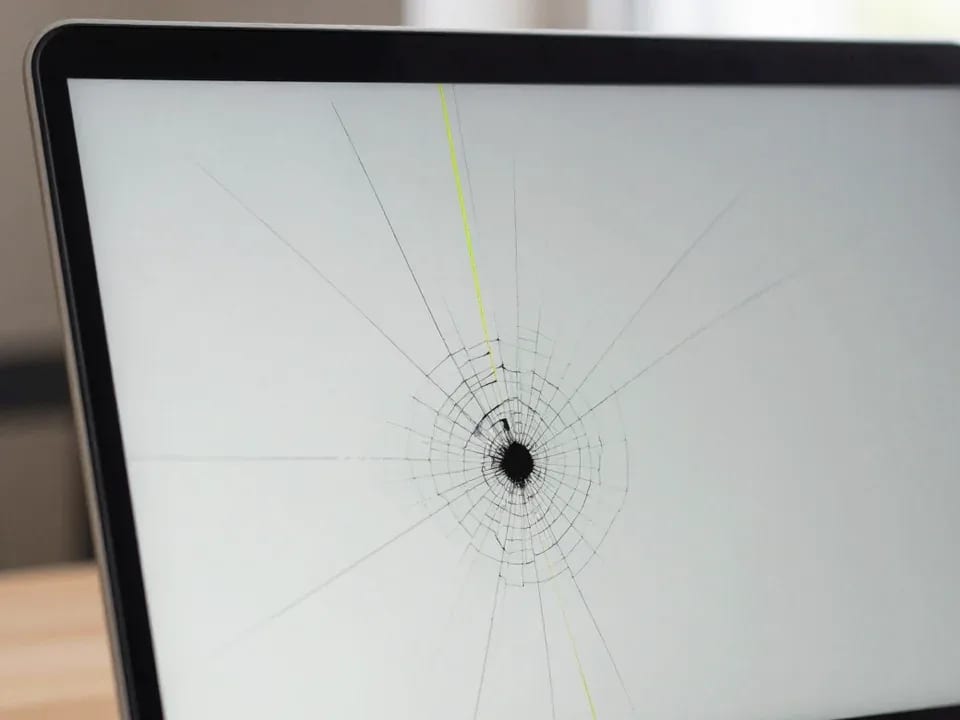
If your laptop screen is broken, turn the device off first, don't press on the display, and check the picture through an external monitor.
12 March 2026 · 11 minutes read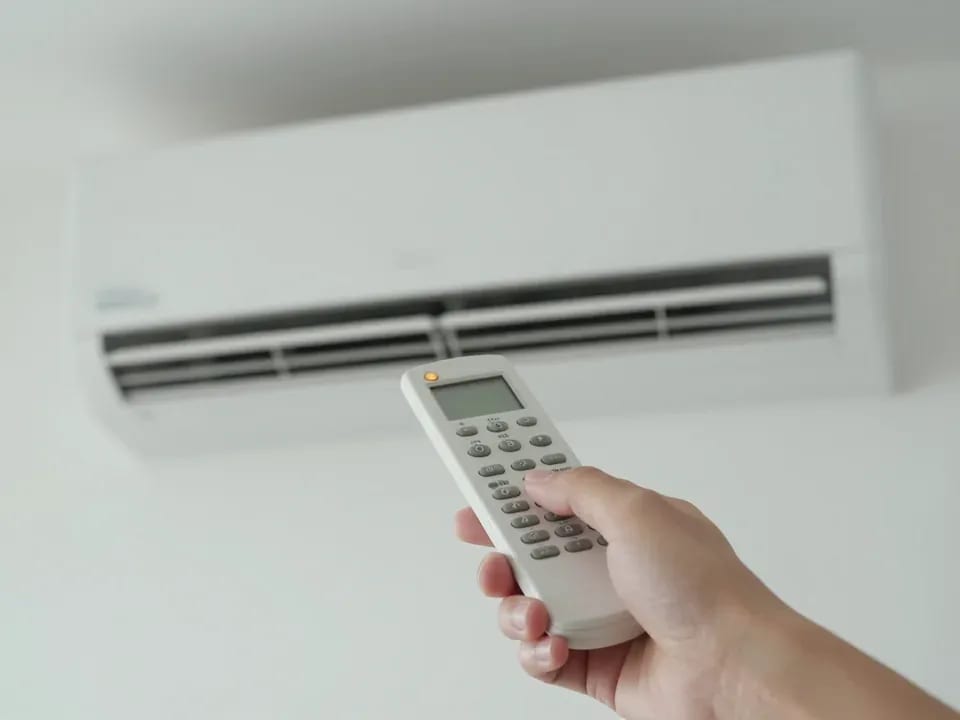
Air conditioner errors are codes on the display or flashing indicators that show which component has failed.
5 March 2026 · 12 minutes read
If your washing machine isn't filling with water, the most common culprits are a closed valve, a clogged inlet filter screen on the hose…
20 February 2026 · 13 minutes read