Ульяна Ч.Order No. AS-9826 · 24 March 2026
oursОбращаюсь сюда второй раз, впечатление не изменилось. Офис на Кабанбай батыра, технику туда и повёз. Для Астаны — хороший вариант
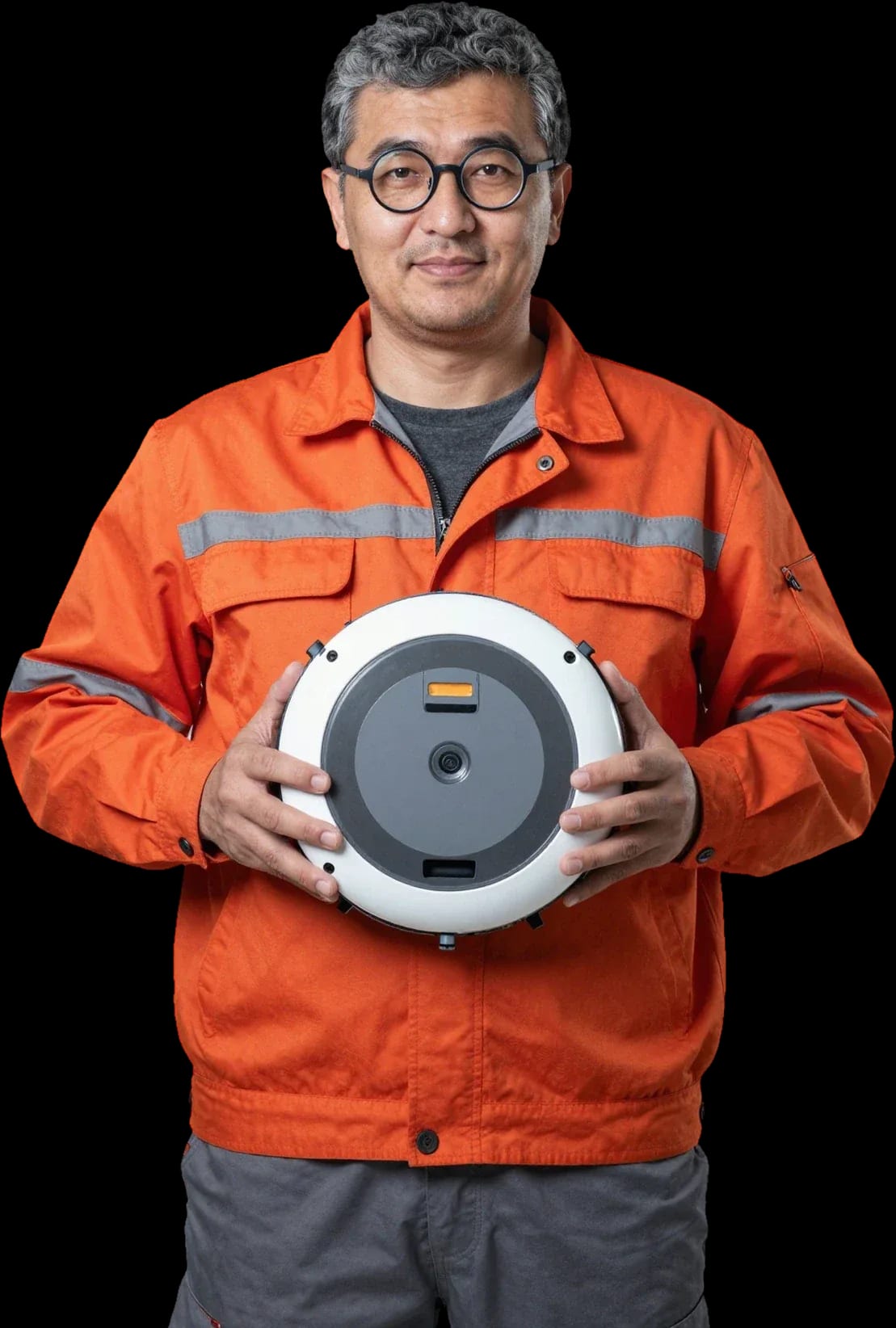
Free diagnostics, a technician arrives within 60 minutes anywhere in the city. 1-year warranty on labor and parts.
Our own technicians4 to 20 years of experience




Repair prices
Below are typical symptoms and likely causes, starting with the most common.
Battery, power button, control board
from2 500 ₸
Filter, hose, inlet valve
from5 000 ₸
Nozzle, pump, hose
from5 000 ₸
Belt, motor, gearbox
from5 500 ₸
Seals, hoses, tank
from4 000 ₸
Bearing, brush imbalance, mount
from5 500 ₸
Battery, charger, contacts
from6 000 ₸
Filter, turbine, seal
from4 000 ₸

From request to device check — five clear steps.
You submit a request and describe what's happening with your window cleaner.
A technician arrives within 60 minutes anywhere in the city and brings tools.
The technician agrees with you on the scope of work and necessary parts before starting the repair.
Work begins after you approve the scope and parts.
The technician shows what has changed in operation and explains how to use the window cleaner after repair.
We reply during working hours
Describe the fault — a technician will come and run free diagnostics. Arrival within 60 minutes across the city, 1-year warranty on labor and parts.

Warranty question? Call us
+7 (778) 046 88 53 experience14 years
Senior small appliance technician
 experience15 years
On-site coffee machine diagnostics technician
 experience5 years
Coffee machine cleaning technician
 experience12 years
Coffee machine diagnostics technician
 experience5 years
Portafilter coffee machine technician
 experience12 years
Vacuum cleaner repair technician
 experience15 years
Vacuum cleaner repair technician
 experience18 years
Washing machine repair technician
Tech Service repairs window cleaning robots in Astana: a technician arrives at your home within 60 minutes or takes the device to the service center. Diagnostics are free, we agree on the work and parts after diagnostics, and provide a 1-year warranty on labor and parts. We repair devices of all brands, including those not available in the city.
A symptom is not a diagnosis: you can't name a specific part from one sign, but the range of causes narrows. Below are the most common complaints about window cleaning robots and the reasons behind them.
Most often the battery, power supply, or control board is to blame — the device isn't getting power or won't start the cycle. A battery that's been sitting for a long time acts like it's fine but can't handle the load: the charge indicator goes out after a few seconds of operation. Oxidized contacts in the battery compartment and a broken charger cable cause the same effect — the device stays silent when you press the button. The control board fails less often, usually after moisture gets inside the housing or a voltage spike during charging. If the indicator doesn't light up at all after a full charge, it's not a discharge but a power circuit issue — taking it apart yourself only makes diagnosis harder and adds torn cables to the cause. It's better to show such a device to a technician right away: they'll check the power circuit step by step and identify the faulty component.
The symptom "doesn't drain water" and streaks on the glass are usually related to the supply pump, clogged nozzles, or worn squeegees and brushes. Fine dust and dried detergent droplets clog filters and spray channels — water comes out in a weak stream or not at all. Rubber squeegees harden over time and stop pressing against the glass, so liquid remains in streaks, and the brushes rub without removing dirt. The supply pump fails less often than nozzles, but its wear shows gradually: first the pressure drops, then the motor runs dry. You can tell a clog from a pump failure by the sound and pressure: if the motor hums but no water comes out, it's likely a clog; if it's silent, it's the pump or its power supply.
Falling off the glass is related to the vacuum mount and edge sensors, humming without movement is related to drive motors, and an error code points to a specific component. Vacuum suction cups lose their seal due to dust and microcracks on the gasket, edge sensors get misaligned after hitting the frame, and the device stops at the glass edge. Drive motors hum when the gearbox gears wear out or lint from the brushes gets into the mechanism. The control board detects such failures and displays a code on the screen or by flashing indicators. Write down the error code and when it appears — this information saves diagnostic time and helps the technician bring the right part. The more accurate the description, the faster the check and the fewer components need to be disassembled on site.
Window cleaner repair starts with free diagnostics and ends with a performance check on glass. Let's go through the steps and typical failures.
We start with free diagnostics: we check the power supply, pump, mount, and board, then agree on the list of work and parts with you. Our window cleaner repair in Astana follows one scenario: a technician arrives at your home within 60 minutes, opens the housing, and tests the power circuit from the battery to the control board, separately tests the water supply pump for leaks, and checks the vacuum mount for holding. Based on the results, you get a list of faulty components with replacement options, and each item is discussed before work begins. Approving before work starts protects you from surprises — you know the list of replacements and the reason for each in advance, and you can decline any item. The technician explains each fault in simple terms so the decision is clear.
| What breaks | Symptom | Frequency | Where it's fixed |
|---|---|---|---|
| Battery | won't turn on, won't hold a charge | typical | at home |
| Water supply pump | won't drain, won't spray | typical | at home |
| Nozzles and filters | streaks, weak pressure | typical | at home |
| Scrapers and brushes | streaks, poor cleaning | typical | at home |
| Vacuum mount | falls off the glass | typical | at home |
| Control board | error code, won't start | rare | at the service center |
| Drive motors | hums but doesn't move | rare | at the service center |
We fix most typical breakdowns at your home, and rare cases involving the control board or motors we take to the service center. The battery, pump, nozzles, scrapers, and vacuum mount are replaced on site: after replacement, the technician runs the device on the glass to check pressure and suction. The control board and drive motors can't be checked that way—they are tested at the service center, so such a window cleaner goes to the workshop and returns after the component is repaired. If the technician suggests the service center, it's not complication for its own sake—some components require workshop testing, and the cause of a hum or error code can't be confirmed at home. That's why we always explain the repair format before starting work: you know in advance which parts are replaced on site and which go to the workshop.
The repair format depends on the breakdown: some work is done right in your kitchen, while some requires a test bench. Below is how we choose the format and what it means for you.
At home, we replace the battery, pump, nozzles, scrapers, and mount—these jobs don't require a test bench and take one visit. The technician arrives with their own tools and consumables, removes the housing, tests the part under load, and installs a new one. The battery is replaced when the device holds a charge noticeably less than usual; the pump—when pressure drops and water sprays weakly; the nozzles—when the spray pattern is uneven due to clogging; the scrapers and mount—when the rubber is worn and the housing has play. The pump and nozzles are most often replaced as a pair: a clogged nozzle overloads the pump, and a fresh part without cleaning the second one quickly fails. The home option is convenient because you don't need to pack and transport the equipment, and you can check the result right on your glass.
We take the equipment to the service center when the control board or drive motors are suspected—these components are tested in the workshop. The control board is responsible for turning on, modes, and overheating protection: when the device doesn't respond to the button or shows an error code, the cause is often there, not in the battery. Drive motors cause humming and jerking during movement on the glass—they are tested under load to distinguish brush wear from an interturn short circuit in the winding. At the service center, the technician reproduces the working cycle and sees at which stage the mechanism fails. If the technician immediately mentions the service center, ask which part requires the test bench—it's a normal question, and the answer should be specific. A practical tip: describe in advance under what conditions the fault appears—when cold, under load, or after a long pause. This shortens diagnostics, helps the technician reproduce the failure faster, and more accurately determine what exactly needs bench testing.
Before handing the device over for service, we record the symptom and the complete set of parts so that after repair you get the equipment back in the same configuration. The technician notes exactly how the fault manifests: won't turn on, won't drain water, makes noise, shows an error code — this record determines which part is checked first. The inventory includes the body, battery, charger, water supply hose, squeegees, and mount; all of these are verified during pickup. Around the city, we transport equipment in protective packaging to avoid damaging the glass-cleaning elements in transit. Keep the safety tether and mount — they are often removed during use, but they are needed for testing in the workshop. The technician will verify the complete set in your presence and note each item in the inventory, so at home, gather all removable parts of the device in one place in advance.
The decision "repair or replace" depends on the nature of the breakdown and on how well the rest of the device is working. Let's break down the logic of choice without numbers and without pressure on your wallet.
Repair is justified if one unit fails — battery, pump, mount — while the rest of the device works properly. A window cleaner is built as several independent systems: motor, pump, battery, and mechanical glass grip. When one of them fails but the others deliver normal power and make no unusual noises, replacing the part brings the device back to work. The pump is replaced due to loss of pressure and weak spraying, the mount — due to cracks and falls from the glass, the battery — due to rapid discharge. The brushes and body remain standard, the motors do not overheat. Evaluate not only the breakdown but also the overall condition: if the body, brushes, and motors are fine, replacing one unit puts the device back in service.
Replacement is smarter if several key units are damaged at once or the body and mount are worn out so much that restoration won't give a lasting result. A crack in the body, a loose grip, and a dead pump — these are three separate jobs, and each requires its own part. Once the mount's wear reaches the point of play, a new pump won't hold the device on the glass: vibration will loosen the mounting points again. Motors that overheat after long use are also a signal to replace — rewinding doesn't restore factory specifications. Compare not "repair versus new" but "repair versus repair in a month": with multiple units, the second scenario is more likely. Then it's smarter to invest in a new device than to come back to the technician with the same breakdown.
In most cases, a window cleaner's battery is replaced entirely — restoring individual cells doesn't give a stable result. Inside the battery, there are series-connected cells, and if one of them drops, re-soldering doesn't guarantee the capacity you're used to. We install a new battery and give a 1-year warranty on it, just like on the work itself. If the device stopped holding a charge after a long period of disuse, first check the power supply — sometimes the issue is not the battery itself but the charger. During free diagnostics, our technician measures the output voltage of the power supply and decides what to replace: the battery or the charger. Such a check saves money on a part that is actually working and avoids unnecessary re-soldering.
Before the specialist's visit, it's important not to make the breakdown worse and to preserve all the conditions in which it manifests. A few simple steps will help protect the device, speed up diagnostics, and reduce the time spent finding the fault.
Note exactly when the failure occurs and what actions precede it, but don't take the unit apart — disassembling it yourself often hides the cause of the breakdown. Note whether the device turns on, holds a charge, whether the indicator blinks, if an error code appears on the display, and at what point the failure repeats. Check whether the symptom depends on the tilt of the glass, the water level in the tank, or how dirty the surface is. Write down what changed before the breakdown: a fall from height, a cloth replacement, a long period without use. Photos and a short video of the symptom work better than words: they help the technician understand which tools and parts to bring before even leaving. The more precise the description, the faster the free diagnostics go and the less disassembly is needed on site.
Remove unnecessary items from the windowsill and provide access to the glass — the technician needs to check the device in its working position. Take away pots, curtains, blinds, and chargers that block access to the frame. Wipe the guides free of dust and make sure a device for checking power can be plugged into the outlet near the window. If the window cleaner was used at height or on tilted glass, mention this in advance — operating conditions affect the choice of checks. Think ahead about where the technician can safely place the unit and take measurements without rushing. Clear access to the window saves time and reduces the risk of accidentally damaging nearby items when moving the device. For panoramic glazing, leave the area near the bottom frame free so the technician can reach the mount without a stepladder.
Don't try to 'prime' the pump, take apart the mount, or replace the battery without tools — this often leads to new breakdowns. The pump is easily damaged by running dry, the mount breaks from incorrect force, and an incompatible battery can ruin the charging controller. Don't flush the internal channels under pressure or dry the housing with a hairdryer if the manufacturer doesn't allow it. Doing it yourself is also risky because afterwards it's harder to separate the original fault from the consequences. Leave disassembly to the technician — this way diagnostics stay accurate and the cause is found on the first try. Also warn family and children not to touch the device until the specialist arrives: accidental activation while running dry damages the pump and lubrication.
The warranty and the service's business model determine your risk when you call. Let's break down what the warranty covers, the advantages of a direct contractor over an intermediary, and service for brands without a local representative.
We provide a 1-year warranty on labor and parts — if the same breakdown returns after service, we fix it under warranty. This applies both to restoring the window cleaner's electronics and to replacing worn components: pumps, battery, guide rollers, seals. Our technicians have worked with such equipment for 4 to 20 years, so they know the typical failures for each model and build in a margin of reliability during reassembly. We test the restored unit on site before returning it to the owner. The warranty on parts is just as important as the warranty on labor: some failures are related to the part itself, not the quality of installation. When you accept the device, ask exactly what the 1-year service covers — that way you see the scope of the technician's obligations upfront.
Tech Service is a direct contractor: our own technician comes to you, not a marketplace subcontractor, so one party is responsible for the work and the warranty. You discuss the breakdown directly with the person holding the tools, see them during diagnostics, and get feedback on the result from them as well. Diagnostics are free, the technician arrives within 60 minutes anywhere in the city, and you can pay any way you like. With an intermediary, there's an extra link between you and the technician — in a warranty case it's harder to tell who is responsible for the result, and information about the symptom gets lost while passing through a dispatcher. In our experience, direct contact reduces the number of repeat calls for the same component.
We service window cleaners of all brands, including those not represented in Astana — a technician arrives within 60 minutes anywhere in the city. The absence of a local representative office doesn't prevent repairs: the technician works with components, not just branded modules, selects compatible parts by specifications, and restores the unit without being tied to a single supplier. This matters for equipment brought from other countries or bought without local support — the owner doesn't have to hunt for rare modules themselves. For such equipment, mention when you request service that the technician works with components, not just branded modules — so you'll know in advance what repair options you'll be offered and won't face a refusal after the visit.
Quick summary: what to remember about window cleaner breakdowns, how to choose the repair format, and why preparing before the technician's visit saves time.
Tech Service technicians repair other appliances too — with the same 1-year warranty on labour and parts.
 Refrigerator Repair in Almatyfrom 3 000 ₸
 Washing Machine Repair in Almatyfrom 3 000 ₸
 Dishwasher Repair in Almatyfrom 3 500 ₸
 Oven Repair in Almatyfrom 3 000 ₸
 Cooktop Repair in Almatyfrom 3 500 ₸
 Air Conditioner Repair in Almatyfrom 3 500 ₸
 Boiler and Water Heater Repair in Almatyfrom 2 500 ₸
 Freezer Repair in Almatyfrom 6 000 ₸
 Tumble Dryer Repair in Almatyfrom 5 000 ₸
 Coffee Machine Repair in Almatyfrom 2 500 ₸
 Robot Vacuum Cleaner Repair in Almatyfrom 3 500 ₸
 Vacuum Cleaner Repair in Almatyfrom 1 500 ₸
 Microwave Oven Repair in Almatyfrom 2 000 ₸
 Hair Dryer Repair in Almatyfrom 1 500 ₸
 Iron Repair in Almatyfrom 3 000 ₸
 Electric Kettle Repair in Almatyfrom 2 500 ₸
 Mixer Repair in Almatyfrom 2 500 ₸
 Multicooker Repair in Almatyfrom 500 ₸

If your dishwasher won't drain, the most common culprits are a clogged filter or drain hose; less often, it's the pump, impeller…
24 March 2026 · 12 minutes read
A washing machine can hum for many reasons, and the first thing to figure out is when the sound appears.
20 March 2026 · 12 minutes read
The easiest way to remove scale from a kettle is with citric acid: 1–2 tablespoons per liter of water, boil for 5–10 minutes, then drain and rinse.
17 March 2026 · 13 minutes read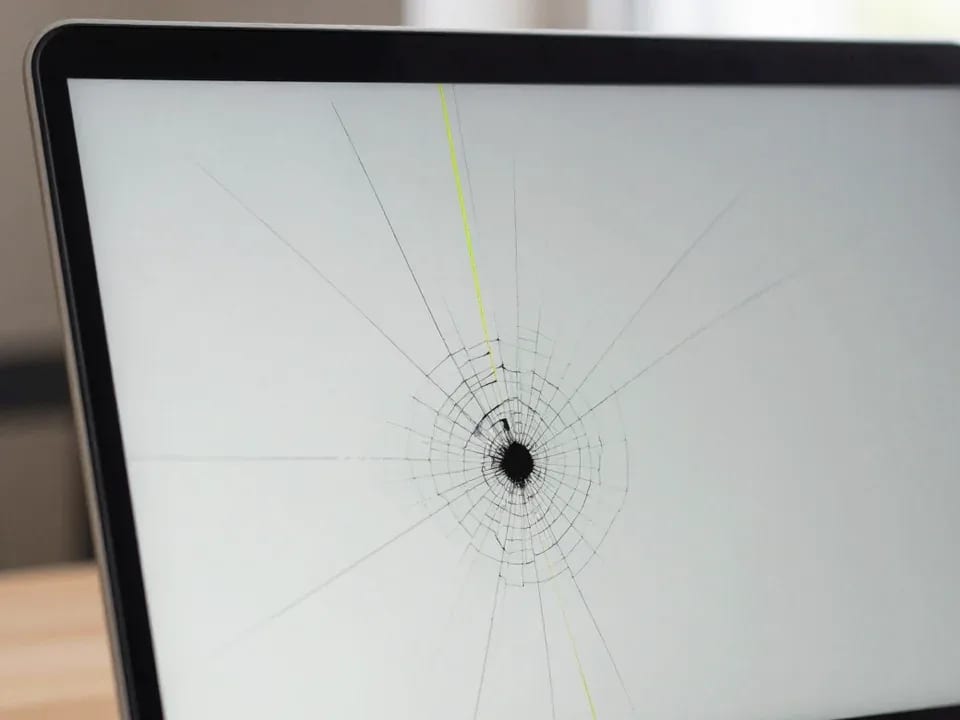
If your laptop screen is broken, turn the device off first, don't press on the display, and check the picture through an external monitor.
12 March 2026 · 11 minutes read
Air conditioner errors are codes on the display or flashing indicators that show which component has failed.
5 March 2026 · 12 minutes read
If your washing machine isn't filling with water, the most common culprits are a closed valve, a clogged inlet filter screen on the hose…
20 February 2026 · 13 minutes read