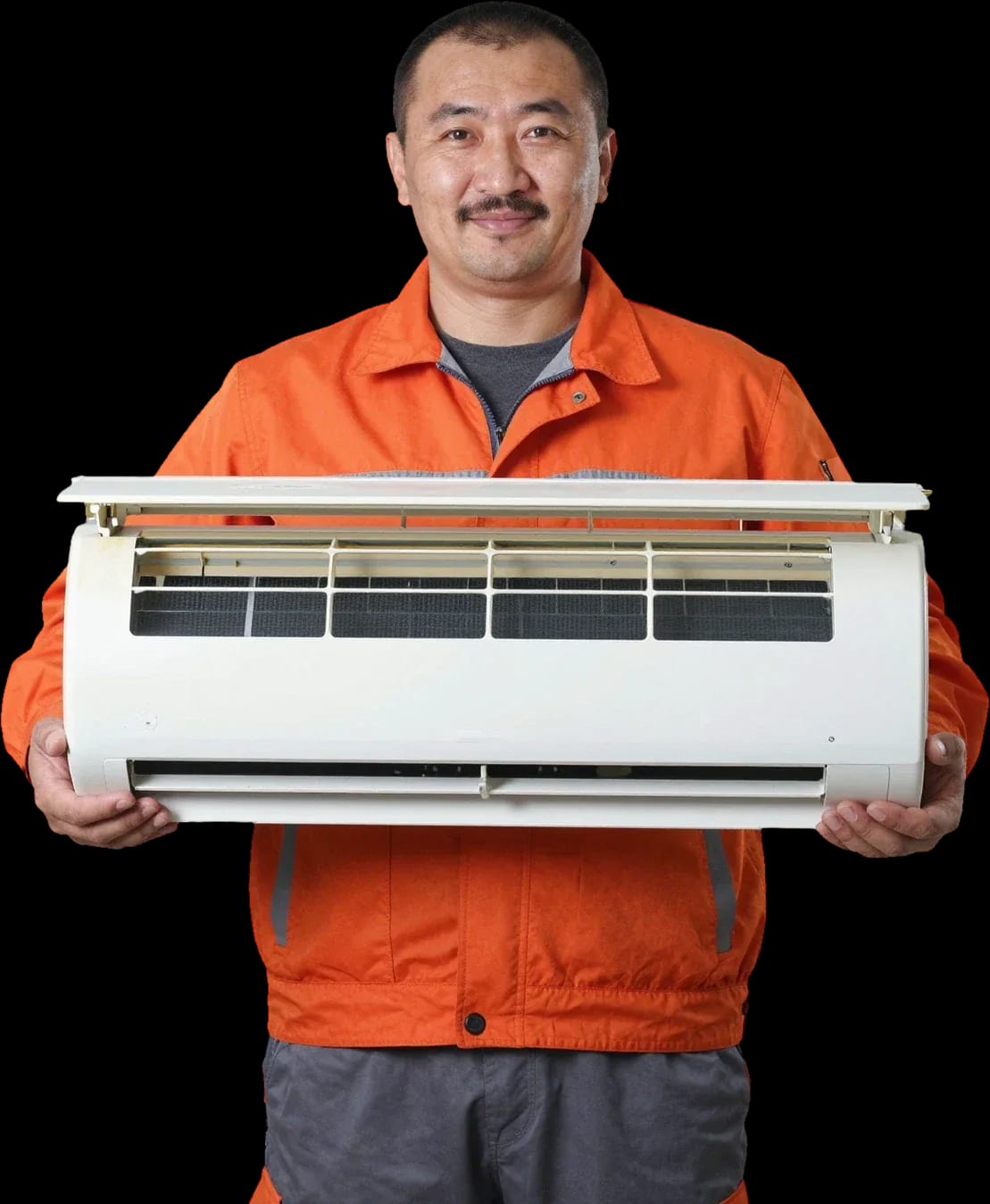
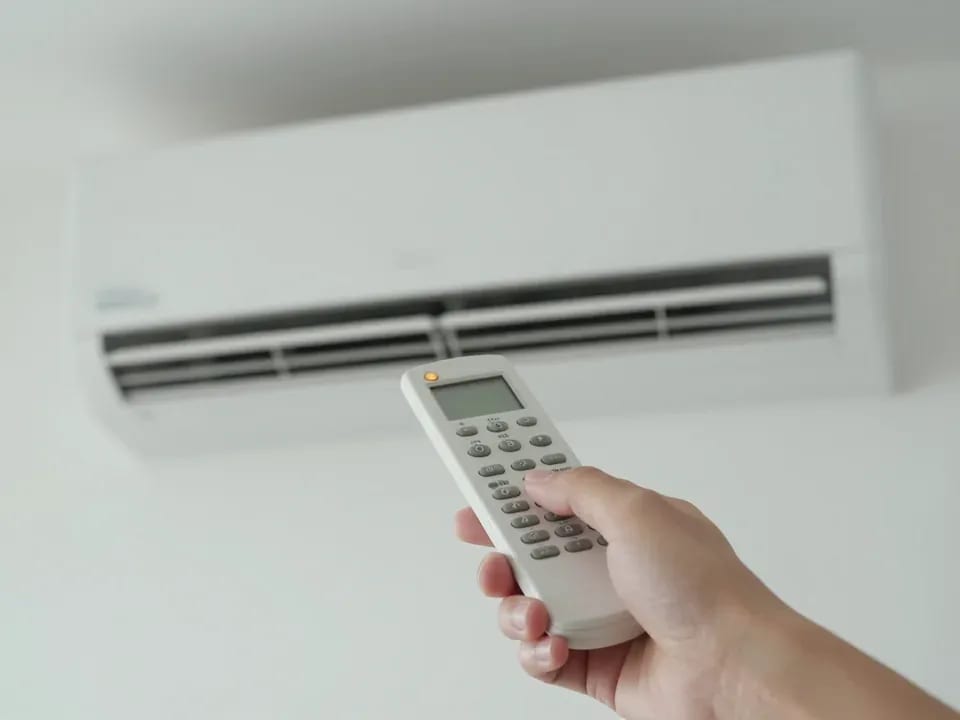
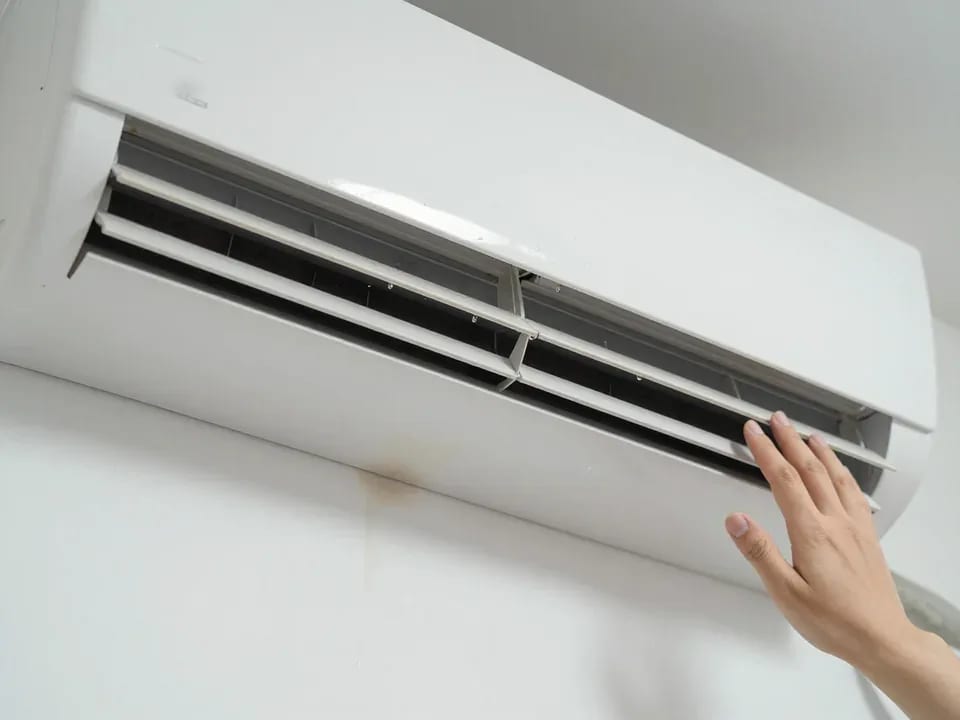
Tech Service provides air conditioner cleaning in Astana with a technician visit to your home or office within 60 minutes anywhere in the city. Before the work, we perform free diagnostics, clean the indoor unit with disassembly and flush the drain, and provide a 1-year warranty on labor and parts.
Signs your air conditioner needs cleaning and how often to do it
Dirt inside the unit builds up over months and is almost invisible from the outside. But the owner notices the changes before realizing the cause—by the smell, noise, and weak cooling.
What signs indicate it's time to clean the air conditioner
- Musty smell: when turned on, the air from the deflector smells damp—that's the evaporator, covered in wet dust.
- Weak cooling: at the usual setting, the air is barely cool because clogged air filters block the flow.
- Drops under the unit: water drips onto the wall—the drainage system is clogged and doesn't remove condensate.
- Noise and squeaking: the fan blades are coated with grime, and their edges catch the housing and hum louder than usual.
- Frequent allergy attacks: family members have watery eyes and stuffy noses specifically in the room with the running air conditioner.
- Gray coating: dust is visible on the grille and blades that doesn't come off with a dry cloth.
How often to clean the air conditioner in an apartment and office
We recommend preventive maintenance once a year before the summer season, and for daily use in summer in an apartment with pets or near poplar fluff—every 6-8 months. In offices and cafes where the equipment runs all workday, grime builds up on the evaporator faster than in a bedroom, so seasonal maintenance there is planned in advance. If you need air conditioner cleaning in Astana, it's wise not to put it off until the first hot days: during peak requests, visits around the city take longer, and the technician arrives later than in a quiet month. In winter, the air conditioner also collects dust if it runs for heating, so post-season maintenance is just as good a reason to call a technician as pre-season prevention. From experience, spring prevention before the heat saves both time and nerves—the equipment starts without odor and at full power.
How professional air conditioner cleaning works
Professional cleaning is not just washing filters. Let's break down what exactly the technician does on-site, how servicing the indoor and outdoor units differs, and what cleaning methods are used.
What's included in air conditioner cleaning at home
- Disassembly of the indoor unit: we remove panels to reach the evaporator and fan blades without taking the device off the wall.
- Air filters: we remove the mesh, wash and dry it, checking the integrity of the fabric.
- Evaporator: we treat the heat exchanger with cleaning agent and rinse under pressure, removing grime between the fins.
- Drainage system: we clean the tray and condensate drain pipe so moisture flows freely.
- Fan blades and housing: we wash dust off the blades, wipe the plastic inside and out, then reassemble and check the modes.
- Work area preparation: protective film and a water collection tray are part of standard preparation, so furniture stays dry.
How outdoor unit servicing differs from indoor
| What we clean | Method | What we check after |
|---|
| Indoor unit | Disassembly, evaporator treatment, pressure washing | Drainage, modes, no leaks |
| Outdoor unit | High-pressure washing or steam generator | Condenser contamination, mounting, fan noise |
| Filters | Removal and washing | Mesh integrity, proper reinstallation |
| Drainage | Flushing tray and pipe | Free condensate outflow |
What you can clean yourself and what to leave to a technician
Some tasks the owner can do themselves, but there are components that require disassembly and equipment. Let's honestly define where DIY cleaning ends and a technician's work begins.
What you can safely do yourself
You can safely remove and wash the air filters, wipe the casing and grille of the indoor unit, and vacuum visible dust from the outer panel — these steps don't require disassembly or tools. The mesh filters come off without fasteners; just wash them with warm water and a mild detergent, and dry them away from direct sunlight at room temperature. Wipe the casing and grille with a slightly damp cloth, and remove dirt from the outdoor unit with a vacuum and soft brush, being careful not to touch the heat exchanger fins. This procedure takes 15-20 minutes and noticeably reduces the load on the fan. Don't wash the filters with strong pressure or dry them on a radiator — they can deform and no longer fit tightly, so dust starts bypassing the filter and settles on the evaporator faster.
Why the evaporator and drain need a technician
The evaporator, fan blades, and drain can't be properly cleaned without disassembly, and careless pressure washing can flood the electronics and sensors — that's why we service these components with disassembly and protection of the work area. The evaporator fins are tightly spaced, and dirt with bacterial buildup clogs between them: it's invisible from the outside, and a surface spray only removes the top layer. The fan blades accumulate deposits along the edges, and you can't reach them without removing the unit. Tech Service flushes the drain system under pressure together with the drain pan to remove the slimy clog along the entire length of the tube. If you only flush the drain superficially, the clog returns within a few weeks along with odor and drips under the unit; a full flush of the pan and tube takes more time, but it removes the cause, not the symptom.
Why a dirty air conditioner is dangerous for your equipment and health
Dirt inside an air conditioner is not just about appearance. Let's look at how contamination affects the operation of the equipment and the air that adults, children, and allergy sufferers breathe.
What breakdowns a clogged air conditioner causes
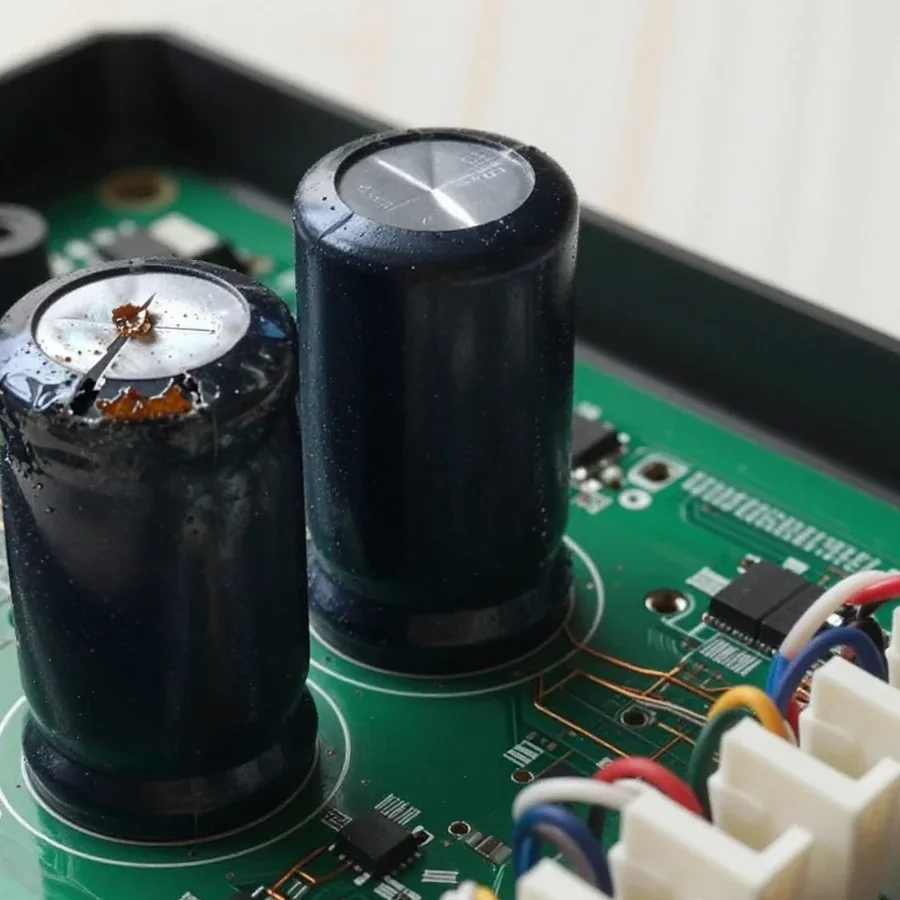
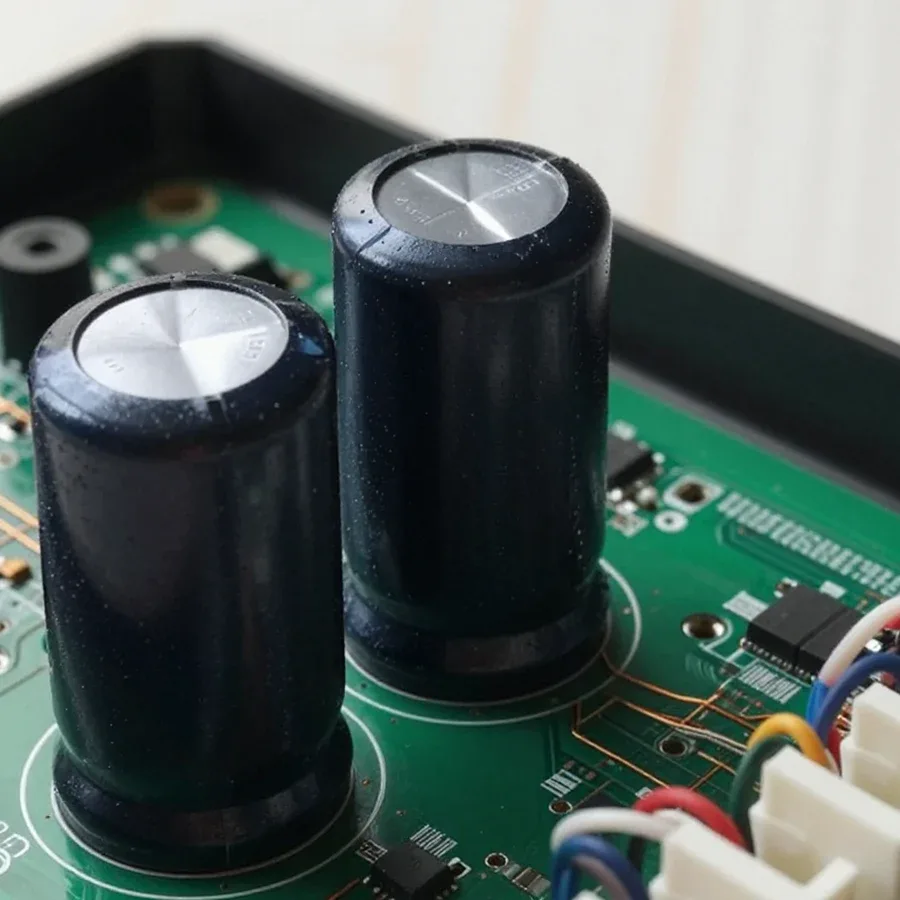
Dust on the heat exchanger reduces cooling efficiency, the compressor runs longer and under greater load, and a clogged drain leads to drips and leaks — over time, this mode accelerates wear on components. Clogged evaporator fins hinder heat exchange with the refrigerant, and the unit takes noticeably longer to reach the desired temperature, wasting motor life. A drain tube clogged with slime and dust stops draining condensate: water accumulates in the pan, overflows, and drips onto the wall, furniture, or suspended ceiling. Constant operation at the limit shortens the life of the compressor — the most expensive component of a split system — and replacing it in terms of labor is comparable to half the price of a new unit. A clogged fine filter also lets dust deep into the casing, where it settles on the fan blades, causing vibration and humming. Regular maintenance costs less than repairing the compressor or fixing a leak, so seasonal maintenance should be seen as care for your equipment, not a one-time cosmetic procedure.
Why air from a dirty air conditioner is hazardous to health
Bacteria and mold multiply on the damp evaporator and in the drain, and the fan spreads them around the room — especially noticeable for allergy sufferers and children who spend a lot of time indoors. The warm, humid environment of the heat exchanger becomes an ideal place for microorganisms: their spores settle on the filter and in the pan, then enter the respiratory tract with the airflow. In sensitive people, such contamination manifests as a runny nose, throat irritation, and worsened allergies specifically in a room with a running air conditioner, and in children — as nasal congestion in the morning. Mold on the evaporator fins clings to dust and gradually blocks airflow, so even a working unit starts circulating stale air. A musty smell when turning on is the earliest indicator of biological contamination; ventilation and air fresheners don't remove it — only cleaning the evaporator and drain helps.
Technician visit, diagnostics, and warranty in Astana
For owners, it's not just about how the cleaning is done, but how quickly a specialist arrives, what the diagnostics include, and what terms apply after the work. Let's break down how the visit works and what commitments the service makes.
How fast the technician arrives and what diagnostics includes
We arrive within 60 minutes anywhere in the city, and before cleaning, the specialist performs a free diagnostics check — testing how the components work and explaining which ones need attention. The technician inspects the indoor and outdoor units, listens to the compressor, checks the drainage, and measures the air temperature at the grille outlet. Based on the inspection, they show you the dirty components and outline the scope of work. Our technicians have 4 to 20 years of experience, so they recognize typical faults by sound and behavior of the equipment. Pre-service inspection matters because some symptoms — weak cooling, noise, dripping — may indicate a breakdown rather than dirt: in that case, it's more honest to fix the cause first instead of just washing the unit. This approach saves the owner a repeat visit and unnecessary disassembly.
What warranty applies and how to pay for the service
We provide a 1-year warranty on labor and parts, you can pay via Kaspi QR, Kaspi Red (instalments), bank card, cash, or bank transfer for companies, and the specialist quotes the price after free diagnostics — before work begins. The terms cover both cleaning the indoor unit and replacing parts if needed based on the inspection. You can pay in cash, by card, or by transfer — you choose the method, not the service. A 1-year warranty only makes sense with a direct contractor who has their own technicians: if there's an intermediary between you and the specialist, there's effectively no one to claim against for quality. That's why we work without aggregators or subcontractors — our own person comes to your address and is responsible for the result. Before agreeing to work, ask who will actually perform it and who the warranty is issued by.
How clean AC units perform better
To sum up: below is a quick recap of when an air conditioner really needs cleaning, what steps you can do yourself, and what criteria to use when choosing a contractor for this job.
- Regularity: service your equipment once a year before the season, and every 6–8 months if it runs intensively or you have pets.
- Early signs: musty odor, weak cooling, dripping, and noise indicate dirt in the evaporator and drainage.
- DIY: it's safe to clean only the filters and casing; the evaporator and drainage require disassembly and equipment.
- Consequences of dirt: buildup on the heat exchanger strains the compressor and worsens air quality, especially for allergy sufferers and children.
- Choosing a contractor: what matters is arrival time, free diagnostics, and a warranty on the work performed.